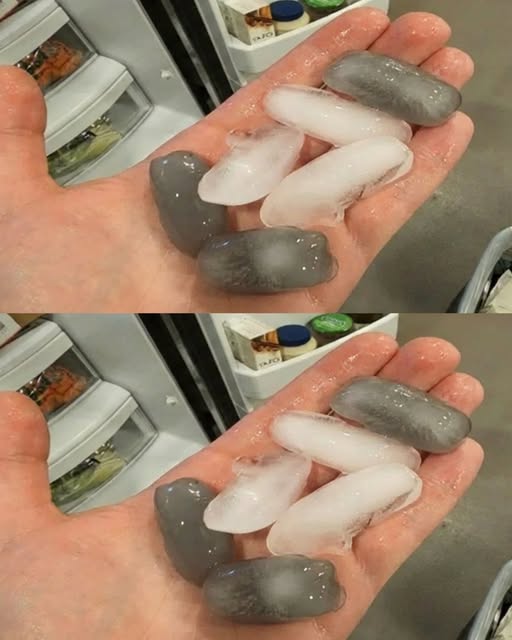
Why Are Ice Cubes in My Fridge Gray? is the question that can stop you mid-pour when you open the freezer and notice cloudy cubes, dark flecks, or an unusual gray tint in the ice bin. Ice should look clean and fresh, so any strange color naturally raises concerns about your refrigerator, water supply, or filter.
Fortunately, gray ice often has a straightforward explanation. Fine carbon particles from a refrigerator water filter, mineral deposits, debris in the ice maker, or residue inside the ice bin can all change how ice looks. In many cases, cleaning the system and flushing the water line solves the problem.
However, you should never ignore a sudden change in ice color, smell, or taste. The source matters. If cleaning and filter maintenance do not fix the problem, the refrigerator may need professional inspection.
I once opened a freezer during a family gathering and noticed that every fresh ice cube carried tiny gray specks. At first, I blamed the water supply, but the drinking water looked perfectly clear. After checking the refrigerator, I discovered that the filter had recently been replaced without being properly flushed. Several pitchers of water later, the dark particles disappeared, and the next batches of ice looked normal again. That small experience taught me to check simple maintenance issues before assuming something serious had happened. Now, whenever ice looks strange, I start with the filter, ice bin, and dispenser area before moving on to bigger possibilities.
Why Are Ice Cubes in My Fridge Gray? Start With the Most Common Causes
Carbon Dust From the Refrigerator Water Filter
One of the most common explanations for gray or black-speckled ice involves the refrigerator’s carbon water filter.
Many refrigerator filters contain activated carbon. This material helps reduce certain tastes, odors, and contaminants as water passes through the filter. However, a new carbon filter can release tiny amounts of loose carbon particles when you first install it.
Those particles may appear as small black or gray specks in drinking water or ice.
Therefore, if Why Are Ice Cubes in My Fridge Gray? suddenly becomes a problem immediately after replacing the filter, incomplete flushing provides a logical place to start.
Most refrigerator manufacturers recommend flushing a newly installed filter before relying on the water for drinking or ice production. The exact amount varies by refrigerator and filter model, so check the appliance manual or filter instructions.
Running several gallons of water through the dispenser often removes loose carbon dust.
If your refrigerator does not have a water dispenser, you may need to discard several batches of ice after installing the filter. This process allows fresh water to move through the filter and ice maker line.
An older filter can also create problems.
Filters have limited service lives, and manufacturers often recommend replacement after a certain amount of time or water usage. Six months represents a common interval, although your specific filter may have different instructions.
Therefore, check the replacement schedule for your refrigerator.
If the filter looks damaged, sits incorrectly, or continues releasing dark particles after thorough flushing, replace it with the correct compatible filter.
Dirt, Mineral Deposits, and Debris Inside the Ice Maker
The answer to Why Are Ice Cubes in My Fridge Gray? can also come from the ice-making area itself.
Although a freezer stays cold, it does not remain automatically clean. Small food particles, spills, crumbs, mineral deposits, and airborne residue can accumulate inside the freezer over time.
The ice bin can collect debris as well.
When ice drops repeatedly into the same container, small particles may stick to the surface of cubes or become frozen into new ice. Likewise, residue around the ice mold or dispenser chute can create discoloration.
Minerals naturally present in water can also influence the appearance of ice. Hard water contains dissolved minerals that may become more visible after freezing.
Cloudiness alone does not necessarily mean the ice contains dirt. Regular household ice often looks cloudy because dissolved gases and minerals become trapped as water freezes.
However, gray streaks or visible dark particles deserve closer inspection.
Remove the ice bin and examine it under bright light. Look for dust, crumbs, dark residue, mineral scale, or discoloration around corners and seams.
Next, inspect the dispenser chute and surrounding freezer walls.
If you find visible debris, clean the removable components according to the refrigerator manufacturer’s instructions.
Avoid using harsh chemicals inside areas that directly contact ice. Instead, warm water, mild dish soap, and a soft cloth usually provide a suitable starting point for removable ice bins.
How to Clean the Refrigerator When Your Ice Turns Gray
Clean the Ice Bin and Dispenser Thoroughly
When asking Why Are Ice Cubes in My Fridge Gray?, start with one of the simplest fixes: completely empty and clean the ice storage area.
First, turn off the ice maker if your refrigerator provides a dedicated switch or control. If the appliance manual recommends unplugging the refrigerator before cleaning certain components, follow those instructions.
Then, remove the ice bin.
Discard all existing ice rather than trying to separate normal-looking cubes from discolored ones. Starting fresh makes it easier to determine whether the cleaning process solves the problem.
Wash the removable ice bin with warm water and mild dish soap. Use a soft sponge or cloth so you do not scratch plastic surfaces.
Pay close attention to corners, seams, and the bottom of the container, where residue can accumulate.
Next, rinse the bin thoroughly. Soap residue can affect the taste and smell of fresh ice, so continue rinsing until no suds remain.
Allow the bin to dry completely before returning it to the freezer.
Meanwhile, wipe the accessible ice dispenser chute and nearby freezer surfaces with a clean, damp cloth. Also inspect door gaskets because crumbs and residue often collect in their folds.
Do not pour water directly into electrical or mechanical components.
Likewise, avoid dismantling the ice maker unless your refrigerator manual specifically instructs you to do so.
Once everything dries, reinstall the ice bin and restart the ice maker.
Then, discard the first one or two fresh batches if you recently cleaned or serviced the system.
Flush the Water Filter and Supply Line
If cleaning does not solve Why Are Ice Cubes in My Fridge Gray?, move to the water system.
Check when you last changed the refrigerator filter. If you cannot remember, or if the filter indicator shows that replacement is due, install the correct filter for your appliance.
After installation, flush the filter according to the manufacturer’s directions.
Many systems require several gallons of water to pass through before normal use. Flushing removes trapped air and loose carbon particles that may otherwise enter the ice maker.
If your refrigerator has a water dispenser, use it for the flushing process.
At first, the water may appear cloudy because of air bubbles. You may also notice a few dark carbon specks. Continue flushing until the water runs clear according to the recommended amount in your manual.
Then, empty the ice bin again.
Allow the ice maker to produce a fresh batch and inspect the cubes under good lighting.
If the new ice looks normal, the filter or supply line probably caused the discoloration.
However, if gray particles continue after proper cleaning and flushing, check whether the filter sits correctly.
An improperly installed filter can disrupt water flow or allow residue to continue entering the system.
You should also inspect the refrigerator’s visible water supply connection for obvious damage or leaks.
Do not attempt complicated plumbing repairs unless you understand the appliance and water system. A qualified appliance technician or plumber can investigate persistent problems safely.
Other Reasons Ice Can Look Cloudy, Gray, or Speckled
Cloudiness Is Different From Actual Gray Discoloration
Why Are Ice Cubes in My Fridge Gray? sometimes begins with ordinary cloudy ice rather than truly contaminated-looking cubes.
Clear ice and cloudy ice form differently.
When water freezes inside a household ice maker, freezing often occurs from several directions. Dissolved gases and minerals become trapped toward the center of the cube, which creates a white or cloudy appearance.
Therefore, slightly cloudy ice can be completely normal.
Gray ice looks different.
If cubes contain visible charcoal-colored specks, dark streaks, or a noticeably dirty-looking tint, investigate the refrigerator filter and ice maker.
Lighting also changes how ice appears. Freezer lights, colored storage containers, nearby foods, and shadows can sometimes make cloudy cubes appear gray.
To check, place several cubes in a clean, clear glass and examine them in natural or bright neutral light.
Then, let them melt.
Look at the water after the ice disappears. If the melted water contains visible particles or sediment, you have stronger evidence that something entered the ice.
If the water looks clear and the cubes only appeared whitish before melting, ordinary trapped air or minerals may explain the appearance.
Taste and smell matter too.
Fresh ice should not carry strong freezer odors, unusual chemical smells, or noticeably unpleasant flavors.
Ice absorbs odors relatively easily, especially when stored uncovered near strongly scented food.
Therefore, keep food properly wrapped and clean freezer spills promptly.
These simple habits can improve ice quality even when discoloration does not involve the filter.
Old Plumbing, Water Quality, and Mechanical Problems
Occasionally, Why Are Ice Cubes in My Fridge Gray? points beyond the filter and ice bin.
If water entering the refrigerator already contains unusual sediment, the appliance may simply freeze whatever reaches it.
Check the household tap water.
Fill a clear glass directly from a nearby faucet and inspect it under bright light. If you notice dark particles, discoloration, unusual odors, or sediment in the household water too, the issue may involve the plumbing or local water supply rather than the refrigerator alone.
Older plumbing can sometimes release sediment or corrosion products.
Likewise, recent water-main work may temporarily disturb mineral deposits inside supply lines.
If the discoloration appears throughout the home, contact the appropriate water utility or a qualified plumbing professional for guidance.
Mechanical wear inside the refrigerator can also create debris.
For example, damaged components around the ice dispenser or ice maker may shed small particles. If you discover unusual plastic fragments, metallic material, grease-like residue, or persistent debris despite thorough cleaning, stop using the affected ice until the appliance receives an inspection.
Do not assume that every black particle comes from harmless carbon.
Appearance alone cannot always identify a substance.
Therefore, persistent unexplained discoloration deserves more careful troubleshooting.
A technician can inspect components that homeowners should not dismantle, including internal valves, tubing, dispenser assemblies, and ice maker mechanisms.
How to Keep Ice Looking and Tasting Fresh
Follow a Simple Refrigerator Maintenance Routine
Once you solve Why Are Ice Cubes in My Fridge Gray?, a few regular habits can reduce the chance that the problem returns.
First, replace the refrigerator water filter on the schedule recommended by its manufacturer.
Do not rely only on appearance. A filter can continue looking clean externally even after reaching the end of its intended service period.
Second, always flush a new filter.
Skipping this step ranks among the easiest ways to end up with dark carbon specks in water and ice.
Third, clean the ice bin periodically.
You do not need to wait for visible dirt. Emptying, washing, rinsing, and drying the bin occasionally prevents residue from building up.
Fourth, keep the freezer clean.
Cover strongly scented food and wipe spills promptly. Because ice can absorb odors, an organized freezer often produces better-tasting cubes.
Also, avoid leaving old ice in the bin for long periods.
Ice that sits for weeks can develop stale flavors, absorb freezer odors, or partially melt and refreeze during normal temperature fluctuations.
If your household rarely uses ice, discard old cubes periodically and allow the machine to produce a smaller fresh supply.
Finally, inspect door gaskets.
A damaged or dirty gasket may interfere with temperature control and allow extra moisture into the freezer.
Clean gaskets gently and replace damaged seals according to appliance instructions.
Together, these habits support better ice quality without requiring complicated maintenance.
Know When to Stop Troubleshooting and Get Help
Most cases of Why Are Ice Cubes in My Fridge Gray? improve after basic cleaning, filter replacement, and proper flushing.
However, you should know when home troubleshooting has reached its limit.
Stop using the ice if you see unexplained oily residue, metallic flakes, plastic fragments, mold-like material, or persistent dark debris that continues after cleaning and filter replacement.
Likewise, arrange professional service if the ice maker leaks, makes unusual mechanical noises, repeatedly jams, or produces discolored cubes despite receiving clear incoming water.
If the household water itself looks unusual, investigate that source separately.
You should also stop using ice and water from the refrigerator if you suspect contamination from a plumbing problem, a local water advisory, or damaged appliance components.
In these situations, guessing provides little benefit.
A qualified technician can determine whether the refrigerator contains a damaged valve, tubing problem, filter housing issue, or failing ice maker component.
Meanwhile, your local water provider or plumber can evaluate household water concerns.
The fastest fix does not always mean replacing parts immediately.
Often, systematic troubleshooting saves both time and money.
Start with the easiest possibilities: inspect the ice, clean the bin, check the filter, flush the water system, and compare refrigerator water with household tap water.
Then, escalate only when the evidence points toward a more complicated problem.
Frequently Asked Questions
Why Are Ice Cubes in My Fridge Gray after changing the filter?
A newly installed carbon filter can release small amounts of loose activated carbon dust. If you did not flush the filter thoroughly before making ice, these particles may appear as gray or black specks. Flush the filter according to the refrigerator manufacturer’s instructions and discard the first fresh batches of ice.
Are black specks in refrigerator ice always charcoal?
No. Carbon from a filter provides one common explanation, especially after filter replacement, but other debris can look similar. If particles continue after proper flushing and cleaning, have the refrigerator inspected rather than assuming the material is harmless carbon.
Why are my ice cubes cloudy instead of clear?
Household ice often looks cloudy because dissolved gases and minerals become trapped as the water freezes. Slight white cloudiness can be normal. However, dark gray discoloration, visible debris, unusual odors, or strange tastes deserve investigation.
How often should I clean the ice bin?
The ideal schedule depends on use and your refrigerator model. However, clean the bin whenever you notice residue, odors, old ice, spills, or visible debris. Periodic cleaning also helps keep ice tasting fresh.
When should I call an appliance technician?
Arrange service when gray or speckled ice continues after cleaning, filter replacement, and proper flushing. You should also get help for leaks, unusual noises, plastic or metallic debris, persistent discoloration, or suspected internal mechanical problems.
Conclusion
Why Are Ice Cubes in My Fridge Gray? usually has a manageable explanation.
Start with the water filter. New carbon filters can release fine dark particles when they have not been thoroughly flushed. Older or damaged filters may also contribute to unusual ice.
Next, inspect the ice bin and dispenser area.
Food particles, mineral residue, freezer debris, and old ice can all change the appearance and taste of new cubes.
Remember that cloudy white ice differs from genuinely gray or black-speckled ice. Ordinary cloudiness often comes from trapped air and dissolved minerals, while visible dark particles deserve closer inspection.
Cleaning provides the simplest first step.
Discard old ice, wash the removable bin with mild soap and warm water, rinse it thoroughly, wipe accessible freezer surfaces, and allow everything to dry.
Then, check the filter and flush the water system according to your refrigerator manufacturer’s directions.
Afterward, discard the first fresh batches and examine the next cubes.
If the problem disappears, routine maintenance likely solved it.
However, persistent dark debris requires more attention. Check the household water, inspect visible supply connections, and arrange professional appliance service when necessary.
Most importantly, do not continue using unusual-looking ice simply because one possible explanation sounds harmless.
Identify the source first.
With a clean ice bin, properly maintained filter, fresh water supply, and regular freezer care, you can usually return your refrigerator to producing fresh, clean-looking ice without much difficulty.