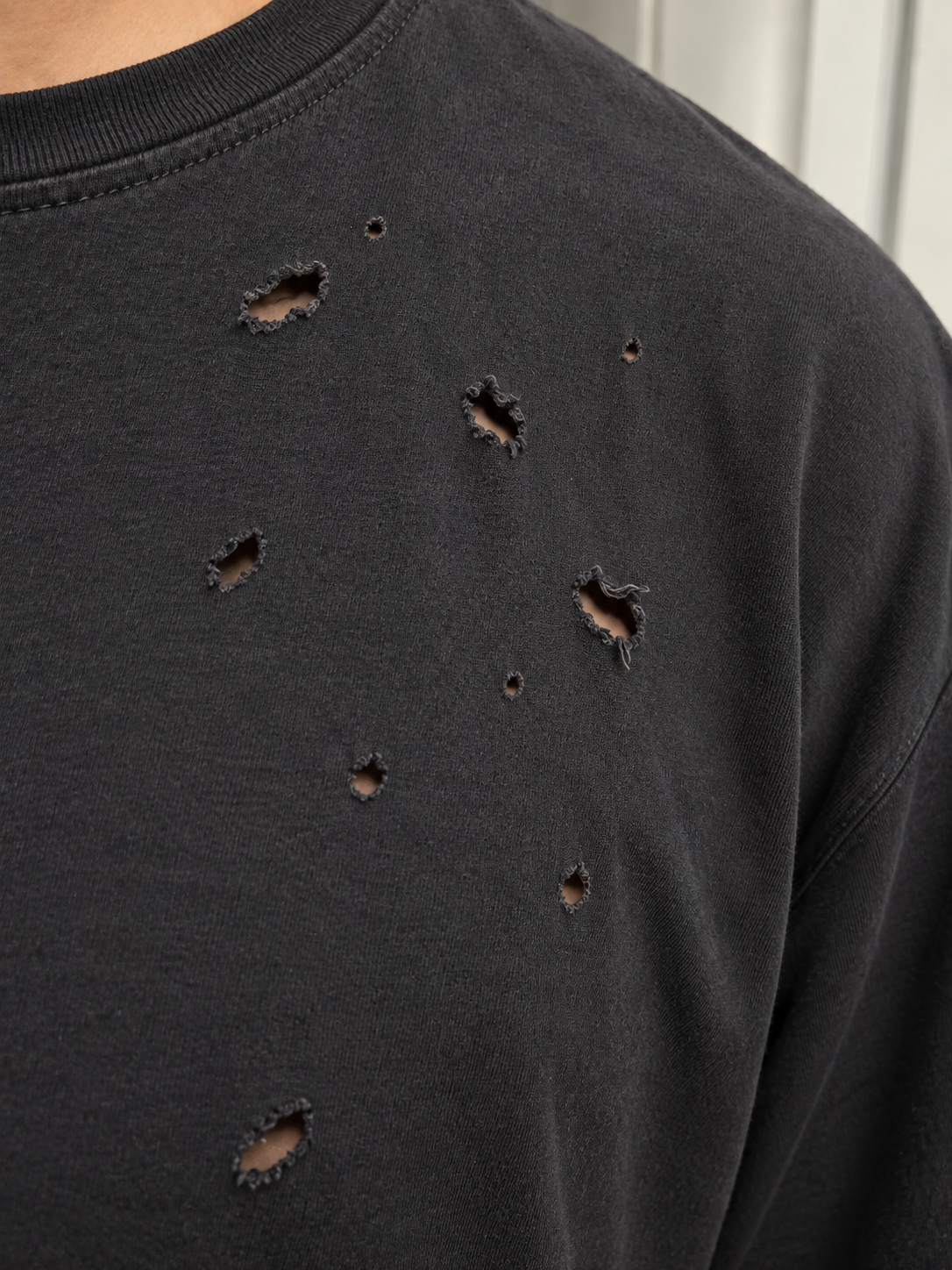
What’s Making Holes in Your Clothes? The answer is often less dramatic than people expect. Tiny holes in T-shirts, sweaters, underwear, and other garments usually come from repeated friction, rough laundry habits, weak fabric, insects, or contact with sharp surfaces. In many cases, several small stresses work together until the fibers finally give way.
I used to blame the washing machine every time another T-shirt developed a tiny hole near the bottom. The damage always seemed to appear after laundry day, so the connection felt obvious. Eventually, I noticed that the holes showed up in nearly the same area and mostly on lightweight tops. Once I paid attention to how those shirts rubbed against zippers, countertops, belts, and laundry hardware, the pattern made more sense. The washer played a role, but it was not always the only cause.
That distinction matters because What’s Making Holes in Your Clothes? does not have one universal answer. The location, shape, fabric type, and timing can all offer useful clues. A few small adjustments can often stop the damage before you lose more clothes.
Why Everyday Friction Causes So Many Clothing Holes
Repeated Rubbing Can Wear Through Fabric
Friction causes some of the most common clothing damage. A shirt that repeatedly rubs against a rough countertop, belt buckle, jeans button, backpack strap, or car seat can slowly lose fiber strength. Eventually, a thin spot turns into a tiny tear.
This often explains small holes near the lower front of T-shirts. That area sits directly against waistbands, metal buttons, belts, and kitchen counters. Each individual contact seems harmless, but hundreds of repetitions can gradually abrade the fabric.
Lightweight cotton, rayon, and fine knits tend to show this damage sooner because their fibers and construction offer less resistance than heavier fabrics. However, even durable clothing can weaken when the same area experiences constant pressure.
To reduce friction, pay attention to where damage repeatedly appears. If every shirt develops holes in the same place, examine belt hardware, trouser buttons, work surfaces, and anything else that touches that area during the day.
Low-Quality or Delicate Fabric Can Fail Faster
Fabric quality also influences how quickly holes appear. Thin yarns, loose knits, weak seams, and shorter fibers can make a garment more vulnerable to wear. A very inexpensive T-shirt may look fine at first but begin thinning after repeated washing and rubbing.
That does not mean every low-cost garment will fall apart quickly. Construction varies widely, even within the same price range. Still, thin fabric often has less material available to absorb repeated stress.
Stretch fabrics may also develop weak spots when they are frequently pulled beyond their intended range. Tight shirts, leggings, and fitted underwear can wear faster at points where the fabric stretches over hips, elbows, knees, or shoulders.
When asking What’s Making Holes in Your Clothes?, examine the fabric around the hole. If the surrounding area looks thin, fuzzy, or almost transparent, gradual wear probably contributed. If the hole appears suddenly in otherwise strong fabric, snagging or insect damage may be more likely.
How Laundry Habits Can Damage Clothing
Zippers, Hooks, and Overloaded Machines Create Snags
Washing machines do not automatically destroy clothing, but the way you load them can increase damage. Open zippers, bra hooks, metal fasteners, and rough decorative details can catch neighboring fabrics during agitation.
Before washing, zip zippers, fasten hooks, and turn garments with abrasive hardware inside out. Place bras, delicate underwear, lace items, and lightweight knits in mesh laundry bags when appropriate. These small steps reduce the chance of fabrics becoming trapped against harder items.
Overloading the machine can also increase friction. When clothes cannot move freely, they may rub more aggressively against each other and against the drum. An overloaded load also cleans less effectively because water and detergent cannot circulate as well.
Sort clothing by more than color when possible. Heavy jeans, towels, jackets, and items with exposed hardware can be rough on thin T-shirts or delicate fabrics. Washing similar weights together helps protect lighter garments.
High Heat and Harsh Products Can Weaken Fibers
Dryer heat can gradually stress some fabrics, especially when garments spend longer in the dryer than necessary. High temperatures can shrink fibers, damage elastic, and accelerate wear in synthetic or delicate materials.
Follow the care label whenever possible. Lower heat settings or air drying can extend the life of many garments, particularly activewear, bras, stretch fabrics, and lightweight knits.
Excessive bleach can also weaken fibers. Chlorine bleach works well for specific washable whites when used correctly, but concentrated or repeated exposure can damage fabric. Never pour undiluted bleach directly onto clothing unless the product instructions specifically say to do so.
Too much detergent does not necessarily clean better either. Residue can remain in fibers when the washer cannot rinse it away effectively. Use the amount recommended for your machine, water hardness, and load size rather than automatically filling the detergent cap.
If What’s Making Holes in Your Clothes? seems connected to laundry day, look at the whole routine rather than immediately replacing the washer. Load size, sorting, fasteners, heat, and garment care can all contribute.
Insects, Storage, and Hidden Household Causes
Clothes Moths and Carpet Beetles Can Damage Natural Fibers
Insects deserve attention when holes appear in stored clothing, especially wool, cashmere, silk, fur, feathers, and other animal-based materials. Clothes moth larvae feed on keratin-rich fibers and can leave irregular holes in garments that sit undisturbed for long periods.
Carpet beetle larvae can cause similar damage. They may feed on wool, silk, leather, feathers, hair, and other natural materials. Unlike adult moths flying around a room, the damaging stage is usually the larva.
Check dark, quiet storage areas if sweaters or blankets develop unexplained holes. Look around closets, drawers, baseboards, rug edges, and stored textiles for larvae, shed skins, webbing, or other signs of insect activity.
Clean clothing before long-term storage because food stains, body oils, and perspiration can make some textiles more attractive to pests. Vacuum closets and storage spaces regularly, and use sealed containers for vulnerable seasonal items when practical.
Rough Furniture and Household Surfaces Can Be the Real Culprit
Some damage happens far away from the laundry room. A rough desk edge, chipped countertop, exposed screw, cracked chair, or splintered wooden surface can repeatedly snag clothing without being obvious.
If one part of a shirt regularly touches the same work surface, run your hand carefully along that surface and look for sharp edges. Do the same with office chairs, car seats, drawer pulls, and furniture corners.
Pets can contribute too. Claws may catch knitted fabrics, especially sweaters and loose-weave blankets. Jewelry, watches, rings, and bags with rough hardware can create similar snags.
Even seat belts can rub repeatedly against certain areas of clothing. If holes appear near the shoulder, chest, or waist, consider whether a strap or buckle contacts that exact spot every day.
The key to solving What’s Making Holes in Your Clothes? is pattern recognition. Damage that keeps appearing in one location usually points toward a repeated physical cause.
How to Prevent Holes and Make Clothes Last Longer
Build a Gentler Laundry Routine
Start with the garment label. Manufacturers usually provide washing and drying instructions based on the fabric and construction. Following those instructions gives the garment a better chance of lasting.
Turn delicate tops and printed shirts inside out before washing. Fasten zippers and hooks, and use mesh bags for small or fragile items. Avoid mixing very heavy garments with lightweight knits whenever you can.
Use cool or warm water when the care label allows rather than assuming hotter water cleans everything better. Lower temperatures can reduce shrinking, color loss, and some forms of fiber stress.
Remove clothes from the dryer once they are dry instead of continuing to heat them unnecessarily. For items prone to stretching, shrinking, or elastic damage, air drying may work better.
These habits do not require expensive laundry products. Consistency matters more than buying specialized solutions.
Inspect, Repair, and Store Clothing Early
Small holes are much easier to repair before they spread. If you notice a tiny opening, mend it promptly rather than waiting until it becomes a large tear. A few stitches, a small patch, or professional repair can save a garment that would otherwise become unusable.
Inspect frequently worn clothing for thinning areas. Pay particular attention to elbows, knees, underarms, waistlines, and areas that rub against hardware. Reinforcing a weak section early can extend the garment’s life.
Before storing seasonal clothes, wash or dry-clean them according to their care instructions. Store them completely dry because moisture encourages mildew and unpleasant odors.
For valuable wool or cashmere, use clean sealed storage and inspect the area periodically for pests. Avoid assuming that strong fragrances alone will solve an insect problem. Cleaning, vacuuming, and removing the infestation source matter more.
Once you understand What’s Making Holes in Your Clothes?, prevention becomes much easier. Most damage comes from habits and repeated contact rather than a mysterious one-time event.
Frequently Asked Questions
Why do all my T-shirts get tiny holes near the bottom?
Friction is a common explanation. The lower front of a T-shirt may repeatedly rub against jeans buttons, belts, countertops, or other hard surfaces. Lightweight fabric can gradually weaken in that exact area until small holes form.
Can a washing machine make holes in clothes?
Yes, but it is not always the machine itself. Exposed hardware, an overloaded drum, damaged washer components, open zippers, and rough garments can all create snags. If many unrelated garments develop fresh tears after washing, inspect the washer drum and door seal for sharp edges.
How can I tell if moths are eating my clothes?
Moth damage often affects wool and other animal-based fibers in stored clothing. Look for irregular holes, larvae, webbing, or signs of activity in dark storage areas. Carpet beetle larvae can cause similar damage, so the presence of holes alone does not identify the insect.
Does drying clothes on high heat cause holes?
High heat can weaken some fibers over time, especially elastic, synthetics, and delicate fabrics. It may not create a hole immediately, but repeated overheating can make fabric more vulnerable to tearing and abrasion. Follow the care label and use lower heat when appropriate.
Should I replace my washing machine if clothes keep tearing?
Not necessarily. First inspect the drum, agitator, door seal, and any exposed hardware for sharp or damaged areas. Also review how you sort loads, whether you overload the machine, and whether zippers and hooks remain open. If the machine has a damaged component, repair may solve the problem without full replacement.
Conclusion
What’s Making Holes in Your Clothes? Usually, the answer involves repeated stress rather than one dramatic event. Friction from belts and countertops, open zippers in the wash, high dryer heat, weak fabric, insect activity, rough furniture, and poor storage can all contribute.
The location of the damage gives you useful clues. Holes in the same area of several T-shirts often point toward friction. Damage in stored wool may suggest insects. Random snags after washing may mean exposed hardware or a rough washer component.
The good news is that most of these problems are manageable. Fasten zippers, separate heavy and delicate items, avoid overloading the machine, use appropriate drying temperatures, and inspect household surfaces for sharp edges.
Store vulnerable fabrics clean and dry. Repair small holes before they spread. Most importantly, pay attention to patterns instead of blaming the first thing that seems obvious.
Clothes naturally wear out eventually, but they should not have to fail prematurely. Once you identify What’s Making Holes in Your Clothes?, a few small changes can help your favorite garments stay wearable for much longer.