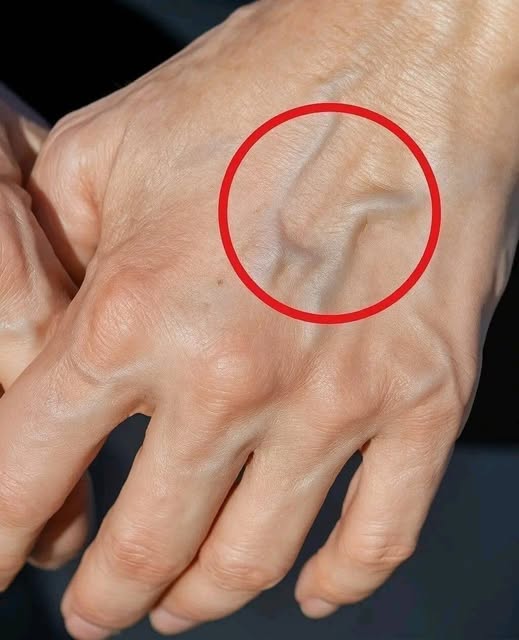
Visible Veins can appear almost anywhere superficial veins run close to the skin, especially on the hands, arms, feet, and legs. Sometimes they become more noticeable after exercise, weight loss, hot weather, or simply as part of your normal anatomy. In other situations, enlarged, twisted, painful, or suddenly prominent veins can point to a problem that deserves medical attention.
The important thing is context.
A blue or green vein that has looked the same for years may be completely normal. Meanwhile, a suddenly swollen leg with pain, warmth, or redness requires a very different response. Deep vein thrombosis, or DVT, can cause swelling, pain, tenderness, warmth, and skin redness, often on one side of the body.
Therefore, Visible Veins are not automatically a sign of either excellent fitness or poor circulation. Their appearance depends on factors such as skin thickness, body fat, exercise, age, genetics, pregnancy, and the health of the veins themselves.
I first started paying attention to Visible Veins after noticing the veins across my hands looked dramatically darker one summer afternoon. I had spent the day outside, exercised earlier, and assumed something had suddenly changed with my circulation. By evening, they looked far less noticeable. That experience made me realize how much vein appearance can shift throughout an ordinary day. Since then, I have learned to look for context instead of reacting to color alone. Long-standing veins without pain rarely concern me, while sudden swelling, warmth, tenderness, or a major one-sided change deserves much more attention and, when appropriate, medical evaluation.
Why Visible Veins Can Be Completely Normal
Exercise, Muscle, and Lower Body Fat Can Make Veins Stand Out
Visible Veins often become more obvious during or after exercise.
When you exercise, blood flow increases to working muscles. In addition, repeated strength training can increase muscle size. As muscles become more prominent beneath the skin, superficial veins may become easier to see. Cleveland Clinic specifically notes that intense exercise, particularly weightlifting, can cause bulging veins in the arms and hands because exercise increases blood flow and muscle development.
That explains why athletes, bodybuilders, and people who exercise regularly may notice prominent veins without having a vascular disease.
Body composition also plays a role.
Subcutaneous fat sits directly beneath the skin. Therefore, when less tissue separates a superficial vein from the skin’s surface, the vein can become easier to see. Cleveland Clinic notes that lower body fat can make veins in the arms and hands more prominent.
However, visible vascularity does not automatically prove that someone is unusually fit.
A naturally thin person who does not exercise intensely may still have very noticeable veins. Likewise, a highly trained person may have fewer visible veins because of genetics, skin characteristics, or body-fat distribution.
So, Visible Veins should never become a simple fitness score.
Instead, they reflect several anatomical factors at once.
Exercise may make them more obvious temporarily, while lower body fat can make superficial veins easier to see all the time.
Neither situation necessarily indicates a health problem when the veins remain painless and otherwise unchanged.
Skin Thickness, Age, and Genetics Matter Too
Visible Veins often become more noticeable as people age.
Skin changes over time, and the amount and distribution of tissue beneath it can also change. As the layer separating veins from the skin surface becomes less visually concealing, superficial veins may stand out more clearly.
Genetics can contribute as well.
Some people naturally have veins that sit closer to the skin. Others have skin characteristics that make underlying blood vessels easier to see.
Therefore, two people with similar fitness levels and body composition can have very different degrees of visible vascularity.
Color also affects perception.
Veins may appear blue, green, or bluish-purple through the skin even though venous blood itself is not blue. The appearance results from the way light interacts with skin and underlying tissues.
Location matters as well.
The backs of the hands commonly show superficial veins because little tissue separates them from the surface. The forearms can also reveal prominent vessels, particularly after exercise.
Meanwhile, the legs carry a different set of considerations because gravity and venous pressure affect blood return from the lower body.
Visible Veins on the legs may remain harmless. However, when they become enlarged, twisted, rope-like, or bulging, they may represent varicose veins.
The NHS describes varicose veins as widened veins that can look swollen, twisted, lumpy, and raised beneath the skin.
Therefore, the appearance itself provides useful clues.
Flat, long-standing superficial veins without discomfort differ from newly enlarged, twisted veins accompanied by aching or swelling.
When Visible Veins May Reflect Varicose Veins
Varicose Veins Look Different From Ordinary Superficial Veins
Visible Veins become more clinically relevant when they change from simple blue-green lines into enlarged, twisted, bulging vessels.
Varicose veins occur when veins near the skin become widened and distorted. They most often affect the legs because standing and walking increase pressure in the veins of the lower body.
The problem often involves weakened vein walls or valves that do not work effectively. When blood does not move upward as efficiently as it should, it can collect in the vein and contribute to enlargement. Cleveland Clinic describes varicose veins as swollen, twisted veins caused when blood backs up because vein walls or valves are not working properly.
Some people experience no symptoms other than appearance.
Others develop aching.
Legs may feel tired or heavy.
Swelling can occur around the ankles or lower legs.
Some people also notice itching or skin changes over time. NHS and hospital guidance identify discomfort, heaviness, swelling, and changes around the ankles among possible symptoms associated with varicose veins.
Risk also changes with circumstances.
Pregnancy can contribute to varicose veins because blood flow and pressure in the veins change during pregnancy. Older age, family history, obesity, and prolonged standing can also increase risk.
However, Visible Veins do not become varicose veins merely because they look blue or prominent.
The shape and symptoms matter.
A straight superficial vein across your forearm is very different from a rope-like vein protruding from your calf.
Spider Veins Are Another Common Possibility
Not every visible vessel that appears on the legs qualifies as a varicose vein.
Spider veins are smaller blood vessels that often form delicate red, blue, or purple branching patterns near the skin. They usually appear much flatter than classic varicose veins.
Like varicose veins, they often cause more cosmetic concern than medical trouble.
The U.S. Office on Women’s Health notes that varicose and spider veins often do not cause health problems, although people who develop symptoms or want treatment can discuss options with a healthcare professional.
Therefore, Visible Veins can belong to several different categories.
Ordinary superficial veins usually appear as relatively smooth lines.
Spider veins often resemble small webs or branches.
Varicose veins tend to look larger, twisted, raised, or rope-like.
Still, appearance alone cannot always establish what is happening.
For example, someone may notice a previously harmless varicose vein becoming suddenly tender, warm, red, or firm.
Those changes deserve attention because superficial thrombophlebitis can cause pain, tenderness, warmth, swelling, inflammation, and hardening along a superficial vein.
That condition differs from DVT, which affects deeper veins, but both require appropriate medical assessment when symptoms suggest them.
Therefore, do not judge Visible Veins by color alone.
Look for changes.
Ask whether the area hurts.
Notice whether swelling has appeared.
Check whether the vein feels unusually hard or tender.
Most importantly, compare the affected side with the other limb.
A sudden one-sided change deserves more attention than a stable pattern that has remained unchanged for years.
Eight Common Reasons Visible Veins Become More Noticeable
Everyday Causes Often Explain the Change
Visible Veins can become more prominent for reasons that have nothing to do with disease.
First, exercise can temporarily increase blood flow and make superficial vessels look fuller. Cleveland Clinic specifically identifies intense exercise as one reason veins can bulge in the arms and hands.
Second, greater muscle development can push superficial veins closer to the visual surface.
Third, lower amounts of subcutaneous fat can make those veins easier to see.
Fourth, natural anatomical differences can leave veins closer to the skin.
Fifth, aging can change skin and underlying tissues, making veins more noticeable.
Sixth, pregnancy can contribute to enlargement of veins, especially in the legs.
Seventh, prolonged standing can increase pressure in lower-leg veins and contribute to varicose vein development over time.
Eighth, problems involving venous valves or vein walls can produce true varicose veins rather than ordinary vascular visibility.
These possibilities explain why Visible Veins require context.
Someone who notices more prominent arm veins immediately after lifting weights may simply be seeing an expected exercise-related change.
Meanwhile, someone whose lower-leg veins have gradually become twisted and raised over several years may be developing varicose veins.
A third person who develops sudden unilateral leg swelling, warmth, and pain needs a much more urgent assessment for possible DVT.
Therefore, the same broad description—“my veins look more visible”—can represent very different situations.
The details matter far more than the color.
Heat and Daily Position Can Change Appearance Temporarily
Visible Veins can also look different at different points during an ordinary day.
Blood vessels respond dynamically to the body’s needs.
Physical activity, body position, and environmental conditions can change circulation temporarily. Exercise, for example, increases blood flow and causes blood vessels to relax as the body supplies working muscles.
Standing for long periods also places greater demands on the veins of the legs because those vessels must move blood upward against gravity.
That can make existing venous problems feel more noticeable later in the day.
Indeed, hospital guidance notes that symptoms associated with varicose veins, including aching and heaviness, may become worse toward the end of the day.
Therefore, a useful observation involves asking when your Visible Veins appear most prominent.
Do they stand out after exercise and then settle down?
Do they become more noticeable after hours of standing?
Have they always looked similar?
Or did they suddenly appear alongside swelling, pain, or redness?
Patterns provide information.
Taking occasional photographs for your own reference may help you identify whether a vein truly changes over time, particularly if you plan to discuss it with a healthcare professional.
However, avoid repeatedly pressing or aggressively massaging a painful swollen vein while trying to diagnose it yourself.
You also do not need to obsessively monitor every normal vein.
Most superficial vessels that remain stable, painless, and symmetrical do not demand daily inspection.
Instead, pay attention to meaningful changes.
Visible Veins become much easier to interpret when you combine their appearance with symptoms, location, timing, and your recent activities.
When Visible Veins Need Medical Attention
Pain, Swelling, Warmth, and One-Sided Changes Matter
Visible Veins deserve more urgent attention when they appear alongside symptoms of a possible blood clot.
Deep vein thrombosis usually affects a deep vein in a leg, although it can affect other areas. MedlinePlus lists pain or swelling, warmth and tenderness, and skin redness among common DVT symptoms.
DVT also often affects only one side.
Therefore, seek prompt medical care if a leg or arm develops unexplained swelling, pain, warmth, tenderness, or color change, particularly when the symptoms appear suddenly or predominantly on one side.
Do not wait for a dramatic bulging vein.
A DVT occurs in deeper veins, so a dangerous clot does not necessarily produce an obvious surface vein.
In addition, some blood clots cause few noticeable symptoms.
Chest symptoms change the situation further.
A clot can travel to the lungs and cause a pulmonary embolism, which can become life-threatening. Sudden shortness of breath or chest pain in the context of a suspected clot requires emergency medical attention. Cleveland Clinic includes shortness of breath and chest pain among major blood-clot warning signs.
Visible Veins by themselves usually do not justify panic.
However, Visible Veins plus sudden swelling, pain, warmth, or breathing symptoms should never become a social-media diagnosis or a “wait and see” experiment.
Get appropriate medical help.
Persistent Varicose Vein Symptoms Also Deserve Evaluation
Not every vein problem requires emergency care.
However, chronic symptoms can still affect quality of life and occasionally lead to complications.
Talk with a healthcare professional if Visible Veins on your legs become increasingly painful, swollen, itchy, or uncomfortable.
You should also seek advice if the skin around the lower leg changes noticeably.
Long-standing venous disease can contribute to skin discoloration, eczema-like irritation, swelling, and, in more advanced cases, ulcers.
A clinician can examine the veins and determine whether they simply represent a cosmetic concern or whether venous insufficiency may be contributing to symptoms.
Treatment depends on severity.
Some people need only reassurance or conservative management. Others may benefit from procedures designed to address symptomatic varicose veins.
Lifestyle measures can also support circulation.
Regular walking and other appropriate physical activity activate the calf muscles, which help move blood upward through the leg veins. Cleveland Clinic notes that leg and calf muscles assist venous blood return through muscle compression.
However, exercise should not become a substitute for evaluation when warning symptoms appear.
Ultimately, Visible Veins require the same balanced approach as many other body changes.
Do not assume every visible vessel signals disease.
At the same time, do not dismiss sudden or painful changes merely because prominent veins can sometimes be normal.
The combination of appearance and symptoms provides the most useful clue.
Frequently Asked Questions
Are Visible Veins a sign that I am healthy or fit?
Not necessarily. Exercise, increased muscle mass, and lower body fat can make superficial veins more noticeable, especially in the arms and hands. However, genetics, skin characteristics, age, and ordinary anatomy can also make veins visible. Therefore, vein prominence alone does not measure fitness or overall health.
Why did my veins suddenly look more visible after exercise?
Exercise increases blood flow to active muscles, and that temporary increase can make superficial veins look larger or more obvious. Regular muscle development can also make veins more noticeable over time. If the veins return toward their usual appearance and cause no pain or swelling, the change may simply reflect exercise.
What is the difference between normal Visible Veins and varicose veins?
Ordinary superficial veins may show through the skin as smooth blue or green lines. Varicose veins typically become widened, twisted, swollen, or raised beneath the skin and occur most commonly in the legs. Varicose veins can also cause aching, heaviness, swelling, or itching.
When should Visible Veins worry me?
Seek prompt medical evaluation for sudden swelling, pain, warmth, tenderness, or redness, particularly when the symptoms affect one leg or arm. Those symptoms can occur with DVT. Emergency care is appropriate for sudden breathing difficulty or chest pain when a blood clot may be possible.
Can Visible Veins become more noticeable with age?
Yes. Changes in skin and the tissues beneath it can make superficial vessels easier to see as people get older. Aging also increases the likelihood of developing varicose veins. Still, age alone does not explain sudden painful or one-sided changes, which deserve appropriate medical assessment.
Conclusion
Visible Veins usually tell a more nuanced story than internet posts suggest.
Sometimes they simply reflect your anatomy.
Exercise can temporarily make them stand out.
Muscle development and lower body fat can make superficial vessels easier to see. Meanwhile, aging, genetics, pregnancy, and prolonged standing can influence how veins look and how likely varicose veins become.
Therefore, you do not need to assume that a few blue-green veins across your hands or forearms indicate poor circulation.
Likewise, prominent veins do not automatically prove exceptional cardiovascular fitness.
Context matters more.
Look at how long the veins have been visible.
Notice whether they appear temporarily after exercise.
Pay attention to whether they remain flat or become twisted and bulging.
Most importantly, watch for symptoms.
Pain, warmth, redness, tenderness, and sudden one-sided swelling deserve much more attention because they can occur with blood clots or other venous conditions.
Persistent aching, heaviness, swelling, or skin changes around varicose veins also provide good reasons to discuss the issue with a healthcare professional.
Visible Veins do not automatically mean that something is wrong.
They simply give you one more visible clue about what is happening beneath your skin.
When they remain stable and painless, they often represent ordinary anatomy. When they change suddenly or arrive with significant symptoms, paying attention can make an important difference.