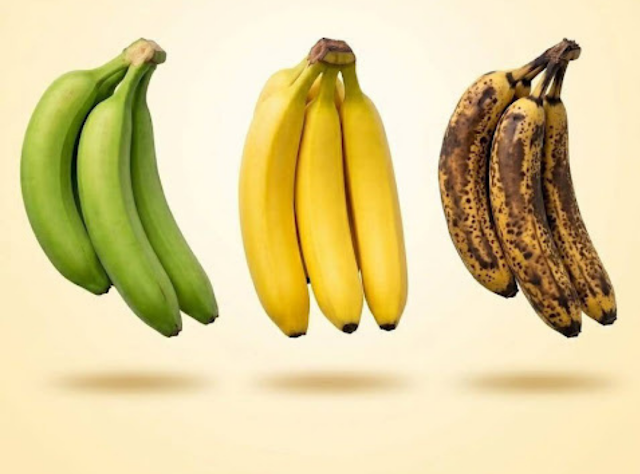
Bananas are among the most popular fruits in the world. They are affordable, portable, naturally sweet, and packed with important nutrients. Whether sliced over cereal, blended into smoothies, baked into bread, or enjoyed straight from the peel, bananas have earned their place as one of nature’s most convenient foods.
Yet many people overlook a fascinating fact: a banana’s nutritional profile changes dramatically as it ripens.
The green banana you buy at the grocery store is not nutritionally identical to the yellow banana sitting on your kitchen counter a few days later. Likewise, that heavily spotted brown banana destined for banana bread offers its own unique set of advantages.
This transformation isn’t merely cosmetic. As bananas mature, their starches, sugars, fiber composition, antioxidant levels, and digestibility all change. Understanding these changes can help you choose the right banana for your specific health goals, whether you’re focused on blood sugar management, athletic performance, digestive health, or maximizing antioxidant intake.
Let’s explore what science reveals about every stage of banana ripeness and discover which banana is best for your needs.
Understanding the Banana Ripening Process
Before diving into the health benefits of each stage, it’s helpful to understand what happens inside a banana as it ripens.
Bananas are climacteric fruits, meaning they continue ripening after being harvested. This process is driven by a plant hormone called ethylene gas.
As bananas produce ethylene, several important changes occur:
- Starches break down into sugars
- Cell walls soften
- Chlorophyll degrades
- Antioxidant levels shift
- Flavor compounds develop
- Texture becomes softer
- Aroma intensifies
These changes explain why a green banana tastes starchy and firm, while an overripe banana becomes sweet, soft, and intensely flavorful.
The ripening process transforms not only the banana’s appearance but also how your body processes and benefits from it.
Green Bananas: The Gut Health Champion
Green bananas are often overlooked because they lack the sweetness most people associate with bananas. However, from a nutritional perspective, they may be the most unique stage of all.
Resistant Starch: The Hidden Superstar
The defining characteristic of green bananas is their exceptionally high resistant starch content.
Resistant starch is a type of carbohydrate that resists digestion in the small intestine. Instead of being broken down immediately into glucose, it travels to the large intestine where it acts similarly to dietary fiber.
This offers several important benefits:
- Supports healthy digestion
- Feeds beneficial gut bacteria
- Produces beneficial short-chain fatty acids
- Promotes bowel regularity
- May reduce inflammation in the gut
Some studies suggest resistant starch can significantly improve gut microbiome diversity, which is increasingly linked to overall health.
Better Blood Sugar Control
One reason green bananas attract attention from nutrition researchers is their lower glycemic impact.
Since much of their carbohydrate content remains in starch form rather than sugar, green bananas produce a slower rise in blood glucose levels compared to ripe bananas.
For people concerned about:
- Diabetes
- Prediabetes
- Insulin resistance
- Weight management
green bananas may offer advantages.
The slower digestion process helps prevent rapid blood sugar spikes and crashes.
Increased Satiety
Because resistant starch digests slowly, green bananas tend to promote fullness for longer periods.
Many people report feeling satisfied for hours after eating green bananas.
This can support:
- Appetite control
- Reduced snacking
- Weight management efforts
Improved Mineral Absorption
Emerging research suggests resistant starch may enhance absorption of minerals such as:
- Calcium
- Magnesium
- Zinc
This occurs because fermentation in the colon creates an environment that improves mineral uptake.
Potential Drawbacks of Green Bananas
Green bananas aren’t perfect for everyone.
Some individuals experience:
- Gas
- Bloating
- Digestive discomfort
- Difficulty chewing
- Less appealing flavor
Their firm texture and mild bitterness can also make them less enjoyable than ripe bananas.
Still, for those prioritizing gut health and blood sugar management, green bananas remain an excellent choice.
Yellow Bananas: The Perfect Middle Ground
When most people picture a banana, they imagine a bright yellow fruit.
This stage represents a nutritional sweet spot where digestibility, flavor, and nutrient availability reach an ideal balance.
Natural Energy Source
As bananas ripen, enzymes convert resistant starch into simpler sugars:
- Glucose
- Fructose
- Sucrose
These sugars become readily available for energy production.
This makes yellow bananas especially valuable for:
- Athletes
- Active individuals
- Students
- Busy professionals
A ripe banana provides quick energy without the added ingredients found in many processed snack foods.
Easier Digestion
Compared to green bananas, yellow bananas place less stress on the digestive system.
Because much of the starch has already broken down, the body can absorb nutrients more efficiently.
This makes yellow bananas a popular choice for:
- Children
- Older adults
- Individuals recovering from illness
- People with sensitive digestive systems
Potassium Powerhouse
Bananas are famous for their potassium content.
A medium banana typically provides approximately 400–450 mg of potassium.
Potassium plays critical roles in:
- Blood pressure regulation
- Muscle function
- Nerve signaling
- Heart rhythm maintenance
- Fluid balance
Many people fail to meet daily potassium recommendations, making bananas a valuable dietary source.
Rich in Vitamin B6
Yellow bananas are also excellent sources of vitamin B6.
Vitamin B6 supports:
- Brain function
- Mood regulation
- Red blood cell production
- Protein metabolism
- Immune health
A single banana can provide a significant portion of your daily requirement.
Growing Antioxidant Levels
As bananas transition from green to yellow, antioxidant levels begin to increase.
These antioxidants help neutralize free radicals, potentially reducing oxidative stress throughout the body.
Brown Bananas: The Antioxidant Champion
Many people throw away bananas once brown spots appear.
Ironically, this stage may offer some of the fruit’s most impressive nutritional benefits.
Maximum Antioxidant Activity
Research indicates that antioxidant activity increases significantly as bananas ripen.
Brown-spotted bananas contain elevated levels of compounds that help combat oxidative damage.
Antioxidants may support:
- Cellular health
- Healthy aging
- Immune function
- Reduced inflammation
The darker the spots, the further the ripening process has progressed.
Exceptionally Easy to Digest
For individuals with digestive sensitivities, brown bananas may be ideal.
By this stage:
- Resistant starch has largely disappeared
- Fiber becomes softer
- Sugars are readily available
- Digestion requires less effort
Many people recovering from stomach illnesses tolerate ripe bananas particularly well.
Quick Energy Source
Because nearly all starches have converted to simple sugars, brown bananas deliver rapid energy.
This can be beneficial:
- Before workouts
- During endurance exercise
- During illness recovery
- When quick fuel is needed
Natural Sweetener
Overripe bananas become intensely sweet.
Their sweetness makes them perfect for:
- Smoothies
- Banana bread
- Muffins
- Pancakes
- Oatmeal
Many recipes can reduce added sugar significantly by incorporating very ripe bananas.
Potential Immune Benefits
Some preliminary studies have suggested that compounds found in highly ripened bananas may support immune function.
While more human research is needed, scientists continue exploring these intriguing possibilities.
How Ripeness Affects Blood Sugar
One of the biggest differences between banana stages involves blood sugar response.
Green Bananas
- Lower glycemic index
- Slower glucose release
- More resistant starch
- Better blood sugar stability
Yellow Bananas
- Moderate glycemic response
- Balanced energy release
- Easier digestion
Brown Bananas
- Higher glycemic impact
- Faster sugar absorption
- Immediate energy availability
This doesn’t mean brown bananas are unhealthy.
It simply means different stages serve different purposes.
Bananas and Athletic Performance
Athletes frequently choose bananas because they provide:
- Easily digestible carbohydrates
- Potassium
- Vitamin B6
- Natural sugars
- Hydration support
Before Exercise
Yellow bananas often work best because they provide:
- Quick fuel
- Moderate digestion speed
- Minimal stomach discomfort
During Endurance Events
Very ripe bananas may offer the fastest energy release.
Recovery
Both yellow and brown bananas can help replenish glycogen stores after exercise.
Bananas and Weight Management
Many people wonder whether bananas support weight loss.
The answer depends partly on ripeness.
Green Bananas
Most beneficial for:
- Appetite control
- Increased fullness
- Reduced calorie intake
Yellow Bananas
Offer a balanced snack that combines satisfaction with nutrition.
Brown Bananas
Still nutritious but less filling due to lower resistant starch content.
No single banana stage causes weight gain or weight loss. Overall diet quality remains the most important factor.
How to Store Bananas Properly
To Slow Ripening
- Separate bananas from other fruits
- Wrap stems in plastic
- Store at room temperature
- Avoid direct sunlight
To Speed Ripening
Place bananas in a paper bag with:
- Apples
- Pears
- Tomatoes
These fruits release ethylene gas, accelerating ripening.
Freezing Bananas
Overripe bananas freeze exceptionally well.
Simply:
- Peel the bananas
- Slice if desired
- Place in freezer bags
- Freeze up to six months
Frozen bananas are perfect for smoothies and baking.
Common Banana Myths
Myth 1: Brown Bananas Are Rotten
Brown spots usually indicate ripeness, not spoilage.
Myth 2: Green Bananas Are Unhealthy
Green bananas contain valuable resistant starch and fiber.
Myth 3: Bananas Cause Weight Gain
Bananas alone do not cause weight gain when consumed as part of a balanced diet.
Myth 4: Diabetics Cannot Eat Bananas
Many people with diabetes can enjoy bananas in moderation, particularly greener varieties.
Which Banana Is Best?
The answer depends entirely on your goals.
Choose Green Bananas If You Want:
- Better blood sugar control
- Increased fullness
- Improved gut health
- More resistant starch
Choose Yellow Bananas If You Want:
- Balanced nutrition
- Convenient energy
- Easy digestion
- Athletic fuel
Choose Brown Bananas If You Want:
- Maximum antioxidants
- Quick energy
- Natural sweetness
- Easier digestion
Final Thoughts
Bananas are one of nature’s most remarkable foods because they evolve nutritionally as they ripen. Rather than viewing green, yellow, and brown bananas as better or worse, it’s more accurate to think of them as different nutritional tools.
Green bananas excel at supporting gut health and blood sugar management. Yellow bananas provide balanced nutrition and reliable energy. Brown bananas offer peak sweetness, easy digestion, and powerful antioxidant activity.
The best banana isn’t necessarily the greenest or the ripest. It’s the one that matches your body’s needs at that moment.
Whether you prefer firm and starchy, perfectly yellow, or deeply speckled and sweet, every stage of a banana’s life has something valuable to offer. That’s what makes this humble fruit one of the most versatile and beneficial foods in the world.