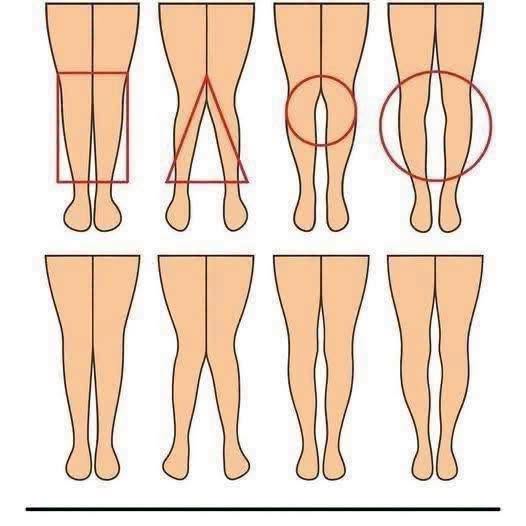
The human body reflects a unique combination of genetics, movement, and daily habits. Leg shape is one example of this natural diversity. While people sometimes associate different leg shapes with personality or appearance, science shows that factors such as bone structure, muscle development, and posture play a much greater role than popular myths suggest.
Every person’s legs are built differently, and these differences are completely normal. Whether someone’s legs are straight, slightly inward-angled, or naturally curved, each variation contributes to balance, mobility, and the way the body moves. Rather than judging these characteristics, understanding them encourages greater appreciation for the remarkable diversity of human anatomy.
Although lighthearted interpretations of leg shapes continue to circulate online, they should be viewed as entertainment rather than scientific fact. The real story lies in how our bodies are designed to support movement, stability, and everyday activities.
The Science Behind Leg Shape
Leg shape is influenced primarily by genetics and skeletal anatomy. While exercise can strengthen muscles and improve tone, it cannot significantly alter the underlying structure of bones and joints.
What Determines Leg Shape?
Several factors contribute to the appearance of a person’s legs, including:
- Bone structure
- Pelvic width
- Hip alignment
- Knee positioning
- Muscle development
- Body composition
- Genetics
For example, some people naturally have legs that appear very straight, while others have slight inward or outward angles. Similarly, whether the thighs or ankles touch is largely determined by skeletal anatomy rather than fitness level.
These natural differences are part of normal human variation and should not be viewed as indicators of attractiveness, health, or physical ability.
How Leg Shape Affects Movement
The alignment of the hips, knees, and ankles influences how each person walks, runs, and stands.
Leg shape may affect:
- Walking style
- Running mechanics
- Balance
- Weight distribution
- Flexibility
- Overall posture
Despite these differences, most people adapt naturally to their body mechanics and perform daily activities without difficulty.
Maintaining strong muscles, good flexibility, and healthy joints often has a greater impact on mobility than the natural shape of the legs themselves.
Posture, Lifestyle, and Personal Expression
Although leg shape is largely determined by genetics, lifestyle choices can influence muscle tone, flexibility, and overall movement. Regular physical activity supports healthy joints and muscles, helping people move more comfortably and confidently regardless of their natural anatomy.
The Role of Exercise
Different activities strengthen the legs in different ways.
For example:
- Walking improves endurance and circulation.
- Running builds lower-body strength and cardiovascular fitness.
- Cycling develops the quadriceps and calves.
- Yoga enhances flexibility and balance.
- Strength training increases muscle tone and stability.
- Swimming provides low-impact conditioning for the entire body.
While these activities can improve muscle definition and posture, they do not significantly change the underlying bone structure that determines leg shape.
Focusing on strength, mobility, and overall health is generally more beneficial than trying to achieve a specific appearance.
Choosing Clothing That Complements Your Style
Fashion allows people to highlight their personal preferences rather than conceal natural features.
Different clothing styles can create a variety of looks, including:
- Straight-leg pants for a classic silhouette.
- Wide-leg trousers for comfort and balance.
- Skinny jeans to emphasize natural contours.
- A-line skirts for a timeless appearance.
- Maxi dresses for flowing movement.
- Tailored shorts that provide comfort and versatility.
Ultimately, the best clothing choices are those that make the wearer feel comfortable and confident rather than conforming to trends or unrealistic beauty standards.
Myths About Leg Shape and Personality
It’s common to encounter articles or social media posts claiming that leg shape can reveal someone’s personality. While these ideas are entertaining, there is no scientific evidence linking the shape of a person’s legs to character traits or behavior.
Why These Ideas Persist
People naturally enjoy finding patterns and assigning meaning to physical characteristics. Throughout history, various cultures have associated body features with personality, fortune, or temperament.
Modern psychology suggests that these interpretations often rely on the Barnum effect, where people recognize themselves in broad, general statements that could apply to almost anyone.
Examples of playful claims include:
- Straight legs suggest confidence.
- Inward-angled legs indicate a relaxed personality.
- Curved legs reflect energy or creativity.
These descriptions may seem relatable, but they should be viewed as entertainment rather than factual assessments.
Celebrating Natural Diversity
Every body is unique, and leg shape is just one of many characteristics influenced by genetics and development.
Instead of comparing ourselves to idealized images, it is more helpful to appreciate what our bodies allow us to do every day. Healthy legs support walking, running, climbing stairs, exercising, and countless other activities that contribute to an active lifestyle.
By focusing on function, comfort, and overall well-being, we can move beyond unrealistic expectations and embrace the diversity that makes every individual unique. Natural variation is a normal part of human anatomy, and recognizing that diversity encourages greater confidence, body acceptance, and appreciation for the remarkable ways our bodies support us throughout life.
Frequently Asked Questions
Can leg shape reveal someone’s personality?
No. There is no scientific evidence that the shape of a person’s legs can determine or predict personality traits. While articles and social media posts sometimes make these claims for entertainment, personality is influenced by a complex combination of genetics, environment, experiences, and individual choices.
What determines the shape of a person’s legs?
Leg shape is primarily influenced by genetics, bone structure, pelvic width, joint alignment, muscle development, and overall body composition. These natural anatomical differences vary from person to person and are considered a normal part of human diversity.
Can exercise change the shape of your legs?
Exercise can strengthen muscles, improve tone, increase flexibility, and enhance posture. However, it cannot significantly change the underlying bone structure that determines the natural alignment and shape of the legs. Regular physical activity is most beneficial for improving overall health and mobility.
Does having a thigh gap indicate better fitness?
No. Whether someone has a thigh gap is largely determined by factors such as pelvic width, hip structure, and bone alignment. It is not a reliable indicator of fitness, body fat percentage, or overall health.
Why is it important to appreciate natural body variation?
Recognizing that every body is unique promotes healthier body image and encourages people to focus on strength, comfort, mobility, and overall well-being rather than unrealistic appearance standards. Appreciating natural variation helps foster confidence and respect for the diversity of the human body.
Conclusion
Leg shape is a natural expression of human anatomy, influenced by genetics, skeletal structure, and individual development. While differences in posture, muscle tone, and movement can affect appearance, these variations are normal and contribute to the unique way each person walks, stands, and moves through life.
Although popular culture sometimes links physical characteristics to personality, these ideas are not supported by scientific evidence. Instead, leg shape should be viewed as one aspect of the body’s natural diversity rather than a measure of character, beauty, or ability.
By focusing on health, strength, and function instead of comparisons or myths, we can better appreciate what our bodies are designed to do. Every pair of legs supports movement, balance, and everyday life, serving as a reminder that individuality is something to value and celebrate.