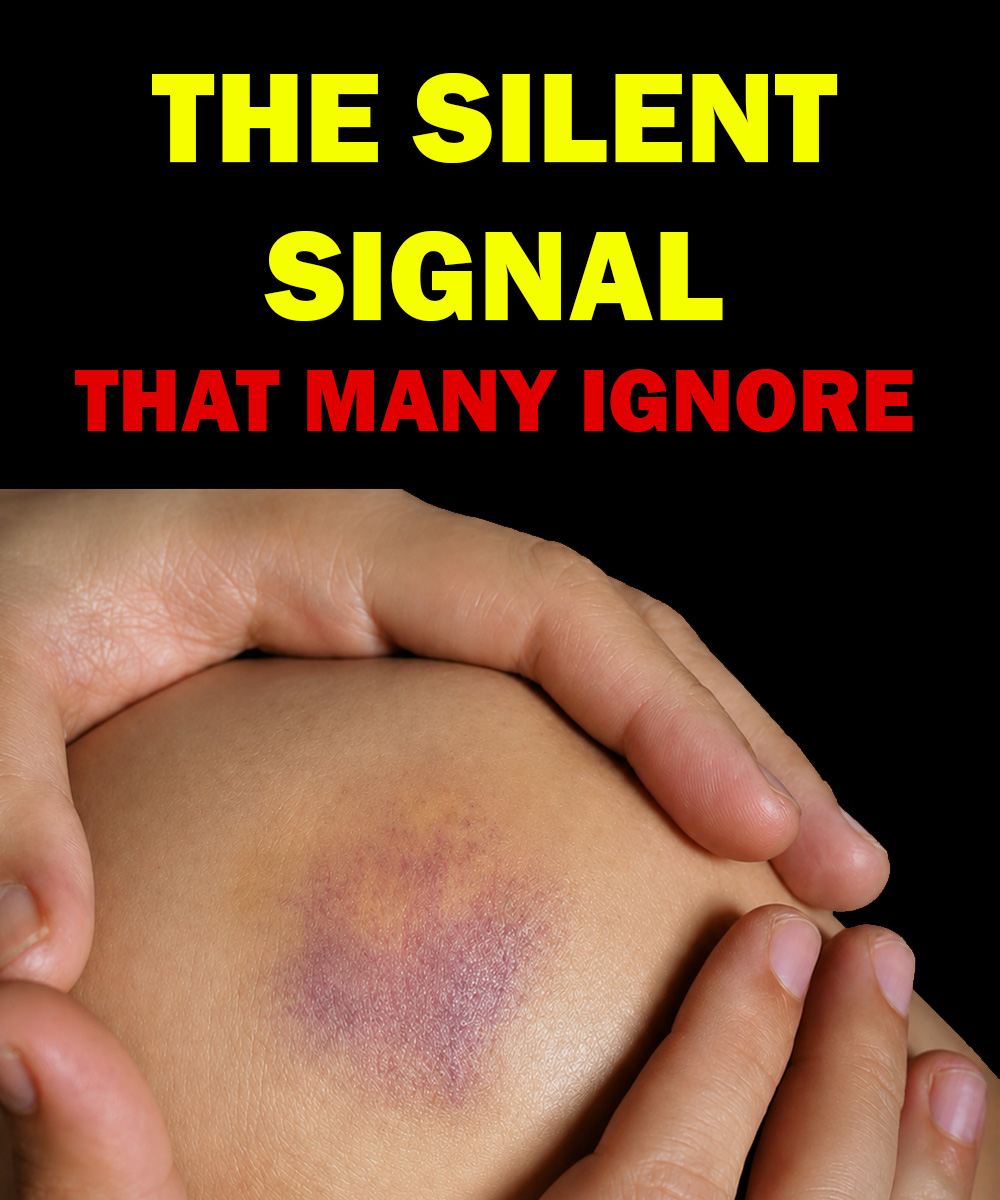
Most bruises have an obvious explanation.
You bump into a table, hit your leg against a chair, or accidentally injure yourself during daily activities. Usually, the mark fades within days and life continues normally.
But sometimes bruises appear without any clear reason at all.
That can feel unsettling.
Unexpected bruising is one of those small physical changes many people ignore at first because it seems harmless or temporary. However, the body sometimes uses subtle signs to signal that something deeper may need attention.
While unexplained bruising does not automatically mean something serious, understanding possible causes can help people recognize when medical advice may be important.
A few years ago, I noticed several bruises appearing on my legs even though I could not remember bumping into anything. At first, I assumed I was simply being careless without noticing small injuries during busy days. However, after the bruises continued appearing repeatedly, I decided to schedule a routine checkup. Fortunately, nothing serious was wrong, but the experience reminded me how easy it is to ignore physical warning signs when life becomes stressful or exhausting. Since then, I have learned that paying attention to unusual body changes does not mean living in fear. It simply means staying aware and proactive about health.
Why Bruising Happens
What Causes a Bruise
Bruises develop when tiny blood vessels beneath the skin become damaged and leak blood into surrounding tissue.
This usually happens after some form of impact or injury.
As the body heals, the bruise changes colors over time:
- Red or purple initially
- Blue or dark purple later
- Yellow or green during healing
Most bruises disappear naturally within days or weeks.
However, when bruises appear frequently without remembered injury, people often become concerned.
Some People Bruise More Easily
Not everyone bruises the same way.
Several normal factors may increase bruising sensitivity:
- Aging
- Thin skin
- Certain medications
- Vitamin deficiencies
- Intense physical activity
As people age, skin becomes thinner and blood vessels become more fragile, making bruising easier even after minor bumps.
Some medications, especially blood thinners or anti-inflammatory drugs, may also increase bruising risk.
When Bruising May Need Attention
Unexplained or Frequent Bruising
Occasional bruising is extremely common. However, repeated unexplained bruises may deserve closer attention.
Medical professionals often recommend monitoring bruising if it occurs alongside:
- Extreme fatigue
- Frequent infections
- Persistent weakness
- Nosebleeds
- Bleeding gums
- Tiny red skin spots
- Fever or chills
The image associated with this article highlights bruising as a symptom many people sometimes overlook.
Understanding Leukemia and Blood Disorders
One possible cause of unexplained bruising involves problems affecting blood cell production.
Leukemia, for example, is a type of blood cancer affecting bone marrow and blood cells. According to the uploaded article, leukemia interferes with the body’s ability to produce healthy blood cells properly.
When healthy platelets become reduced, the body may bruise more easily or bleed longer than normal.
Other symptoms sometimes associated with leukemia may include:
- Persistent fatigue
- Night sweats
- Swollen lymph nodes
- Bone pain
- Weight loss
- Frequent illness
However, it is extremely important to remember that bruising alone does not mean someone has leukemia.
Many harmless conditions can also cause bruises.
Why Early Symptoms Are Often Ignored
Symptoms Can Resemble Everyday Illnesses
One reason blood disorders sometimes go unnoticed is because the early symptoms appear very general.
Fatigue, weakness, fever, or bruising may easily be blamed on:
- Stress
- Poor sleep
- Overwork
- Minor illness
- Aging
Because the symptoms develop gradually, many people delay seeking medical advice.
The article describes leukemia as a “silent disease” because its signs can initially seem mild or easy to dismiss.
Awareness Without Panic
Health awareness is important, but panic is not helpful.
Most bruises are harmless.
The goal is not to assume the worst whenever something unusual appears. Instead, it is about recognizing patterns that seem persistent, unusual, or inconsistent with your normal health.
Paying attention to the body calmly and responsibly is far more useful than reacting with fear.
Other Causes of Easy Bruising
Nutritional Deficiencies
Low levels of certain nutrients may weaken blood vessels or affect clotting.
Deficiencies sometimes linked to easy bruising include:
- Vitamin C deficiency
- Vitamin K deficiency
- Iron deficiency
Poor nutrition may also slow healing and weaken skin structure.
Medications and Medical Conditions
Certain medications increase bruising risk significantly, including:
- Blood thinners
- Aspirin
- Steroids
- Some antidepressants
Medical conditions affecting the liver, blood clotting, or immune system may also contribute to unexplained bruising.
Because so many possibilities exist, proper medical evaluation matters when symptoms persist.
When to See a Doctor
Signs That Should Not Be Ignored
Medical professionals generally recommend seeking evaluation if bruising:
- Appears frequently without injury
- Becomes unusually large
- Takes a long time to heal
- Happens alongside bleeding or fatigue
- Appears with unexplained illness symptoms
Routine blood tests can often help identify whether something serious is occurring.
Early Detection Matters
Many health conditions become easier to treat when detected early.
That is why doctors encourage people not to ignore persistent symptoms that feel unusual for their body.
Seeking medical advice does not mean something dangerous is definitely wrong. It simply provides clarity and reassurance.
The Importance of Listening to Your Body
Small Changes Sometimes Matter
The body often provides subtle signals before larger problems develop.
That does not mean every ache, bruise, or symptom represents serious illness. However, persistent or unexplained changes deserve attention rather than complete dismissal.
Awareness helps people take control of their health proactively.
Staying Calm While Staying Informed
Health information online can sometimes create fear unnecessarily.
The best approach combines awareness with balance:
- Notice unusual symptoms
- Avoid self-diagnosing
- Seek professional advice when needed
- Stay calm and informed
Most importantly, remember that many symptoms have harmless explanations.
FAQ
What causes unexplained bruising?
Unexplained bruising may result from aging, medications, vitamin deficiencies, blood disorders, or fragile blood vessels.
Does bruising always mean leukemia?
No. Most bruises are harmless and caused by minor injuries or common conditions. Leukemia is only one possible cause among many.
What other symptoms can occur with blood disorders?
Symptoms may include fatigue, weakness, infections, nosebleeds, night sweats, or swollen lymph nodes.
When should someone see a doctor about bruises?
Medical advice is recommended if bruising becomes frequent, severe, unexplained, or appears with other unusual symptoms.
Can medications increase bruising?
Yes. Blood thinners, aspirin, steroids, and some medications may make bruising more common.
Conclusion
Bruises are usually harmless reminders of everyday bumps and injuries. However, when bruising appears frequently without explanation, the body may be signaling that something deserves closer attention.
Conditions ranging from vitamin deficiencies to blood disorders can sometimes contribute to easy bruising, which is why awareness matters.
Still, unexplained bruising alone does not automatically mean something serious is wrong.
The most important step is staying observant without becoming fearful. Paying attention to persistent changes and seeking medical advice when necessary helps people protect their health responsibly.
Sometimes the body whispers before it screams. Learning to listen calmly can make all the difference.
More Home Remedies
- Wrinkled Fingers After Water Exposure: What Your Skin May Be Telling You
- Skin Rash With Breathing Trouble? It Could Be a Life-Threatening Allergic Reaction
- I Thought It Was a Piece of Trash on the Bathroom Floor—Until It Moved
- If You Are Getting White Pimples on Your Lips or Intimate Area, Here’s What They Could Mean