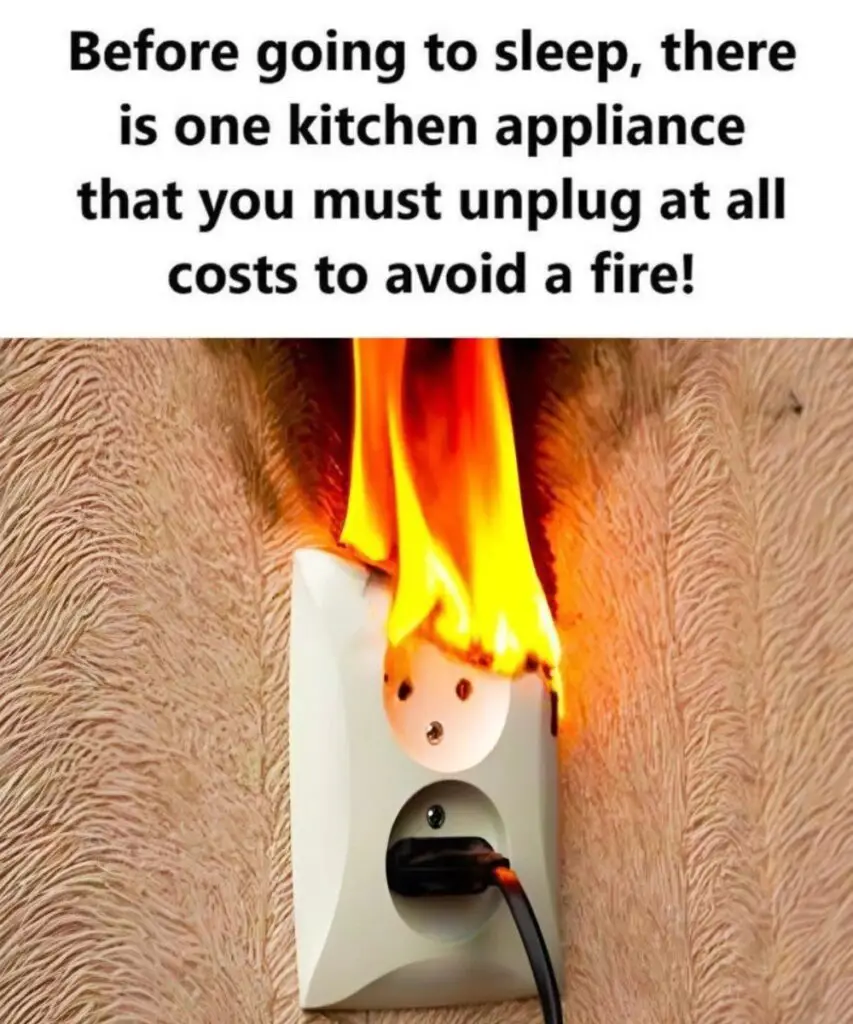
Modern kitchens are filled with convenient appliances that make cooking faster and easier. From coffee makers to air fryers, these tools have become a regular part of daily life. However, many people overlook an important safety habit: unplugging certain appliances when they are not in use. One device in particular stands out as a potential risk if left plugged in overnight—the toaster or toaster oven.
Although these appliances are designed to be safe, they still involve high heat and electrical components that can create hazards when unattended. Fire safety experts often recommend unplugging them after use, especially before going to bed. This simple habit can reduce the chance of electrical faults, overheating, or accidental fires starting while everyone in the home is asleep.
Understanding why this appliance deserves extra caution can help homeowners develop safer kitchen routines.
Why Toasters and Toaster Ovens Can Be Risky
Heating Elements and Crumb Buildup
Toasters work by passing electricity through heating elements that glow red-hot. These elements quickly toast bread by producing intense heat inside a small enclosed space. While this design is efficient, it also means the appliance operates at temperatures high enough to ignite certain materials.
One common issue is the buildup of crumbs. Bread particles fall to the bottom of the toaster during normal use. Over time, these crumbs accumulate and can become dry and brittle.
If they come into contact with the heating elements or become overheated, they may begin to smoke or even ignite. This is one of the most frequent causes of toaster-related kitchen fires.
Regular cleaning helps reduce this risk, but many people forget to empty the crumb tray or check inside the appliance.
Electrical Components and Standby Power
Another factor that increases risk is the electrical system inside modern appliances. Many newer toasters and toaster ovens include digital displays, timers, or smart features.
Even when turned off, these appliances sometimes draw a small amount of electricity while plugged in. This standby power keeps clocks and electronics active.
Although the amount of electricity is small, any electrical device connected to power carries some level of risk. A damaged cord, worn component, or power surge could cause overheating or short circuits.
Unplugging the appliance removes the electrical connection entirely, eliminating that possibility.
Fire Statistics Linked to Small Kitchen Appliances
What Safety Organizations Report
Fire safety organizations frequently track the causes of residential fires. According to data from the U.S. Fire Administration and the National Fire Protection Association (NFPA), cooking equipment remains one of the leading causes of house fires.
Among small appliances, toasters and toaster ovens appear regularly in incident reports. Thousands of home fires each year involve these devices.
Many of these fires begin with something simple, such as overheated crumbs, food debris, or a malfunctioning heating element. Because these appliances are often left plugged in on kitchen counters, problems can occur even when the device is not actively being used.
Why Nighttime Fires Are Especially Dangerous
Fires that begin at night can be particularly dangerous. When people are sleeping, they may not notice smoke or unusual smells immediately.
If a toaster overheats or sparks while plugged in overnight, the problem may go unnoticed for longer than it would during the day. In the worst cases, flames can spread to nearby cabinets, curtains, or paper products before anyone reacts.
For this reason, safety experts frequently recommend unplugging appliances before going to sleep. This precaution reduces the possibility of electrical faults when the home is quiet and unattended.
Common Causes of Toaster Fires
Crumbs and Grease Inside the Appliance
As mentioned earlier, crumbs are one of the most frequent causes of toaster fires. When bread is toasted, small pieces fall inside the appliance and collect near the bottom.
Over time, this debris dries out. Because it sits close to heating elements, it can ignite if temperatures rise too high.
Toaster ovens may also accumulate grease or food drippings when used for cooking items like pizza or pastries. Grease is highly flammable and can easily catch fire if not cleaned regularly.
Routine cleaning dramatically reduces this risk.
Mechanical or Electrical Malfunctions
Even well-maintained appliances can occasionally develop mechanical or electrical problems.
Thermostats inside a toaster control temperature and shut the appliance off once the toasting cycle ends. If a thermostat fails, the heating elements could remain active longer than intended.
Electrical faults such as worn wires, damaged plugs, or internal component failures can also lead to overheating.
Although these problems are relatively rare, unplugging the appliance when not in use ensures it cannot accidentally activate or overheat.
Smart Safety Habits for Your Kitchen
Unplug Appliances After Use
One of the simplest safety habits is unplugging small appliances after using them. This step cuts off electricity completely and prevents potential electrical issues while the appliance sits idle.
Toasters, toaster ovens, coffee makers, and air fryers are good examples of appliances that should be unplugged regularly.
Making this a nightly habit adds an extra layer of safety with very little effort.
Clean the Appliance Regularly
Cleaning your toaster is another important step. Most models include a removable crumb tray that slides out from the bottom.
Empty the tray frequently and gently shake out any loose crumbs. If necessary, wipe the tray with a damp cloth and allow it to dry before reinserting it.
For toaster ovens, remove racks and wipe away grease buildup. Keeping the interior clean reduces fire hazards and improves appliance performance.
Keep the Countertop Clear
Kitchen counters often become crowded with cooking tools and decorations. However, it is important to keep the area around heating appliances clear.
Avoid placing paper towels, dish cloths, cookbooks, or wooden utensils directly beside a toaster. These materials can catch fire if exposed to high heat or sparks.
Allowing some open space around appliances improves airflow and reduces potential hazards.
Other Kitchen Appliances to Monitor
Coffee Makers and Air Fryers
While toasters are commonly mentioned in fire safety discussions, other appliances also require attention.
Coffee makers contain heating plates that remain hot for extended periods. If left plugged in overnight, they can potentially overheat or malfunction.
Air fryers also generate high heat and rely on electrical components. Although modern designs include safety features, unplugging them when not in use remains a good practice.
Slow Cookers and Multicookers
Slow cookers are designed to operate for long cooking times. However, once cooking is finished, they should be unplugged rather than left connected indefinitely.
Multicookers and pressure cookers also contain electronics that draw standby power when plugged in.
Developing a habit of unplugging these appliances helps minimize risk and saves energy as well.
Additional Fire Prevention Tips
Install Smoke Detectors
Smoke detectors are essential in every home. Install them in the kitchen area, hallways, and near bedrooms.
Test them monthly to ensure they function correctly. Early detection allows people to react quickly if smoke or fire develops.
Avoid Overloading Outlets
Plugging multiple appliances into one outlet or power strip can overload the circuit. This can cause overheating or electrical damage.
Whenever possible, plug large kitchen appliances directly into wall outlets.
Replace Old or Damaged Appliances
Older appliances may not meet modern safety standards. If a toaster has frayed cords, inconsistent heating, or electrical issues, replacing it is often the safest option.
Investing in a new appliance can provide updated safety features and better performance.
Why a Small Habit Can Make a Big Difference
Many house fires begin with everyday appliances that people rarely think about. A toaster sitting quietly on the counter may seem harmless, but it still contains heating elements and electrical components capable of causing problems.
Fortunately, preventing issues is often simple. Unplugging appliances before going to bed, cleaning them regularly, and keeping counters clear are easy steps that dramatically reduce risk.
Developing these habits does not require much time or effort. However, they can help protect your home, your belongings, and the people who live there.
Sometimes the most effective safety measures are also the simplest. Making unplugging your toaster part of your nightly routine is one small change that can provide peace of mind every night.