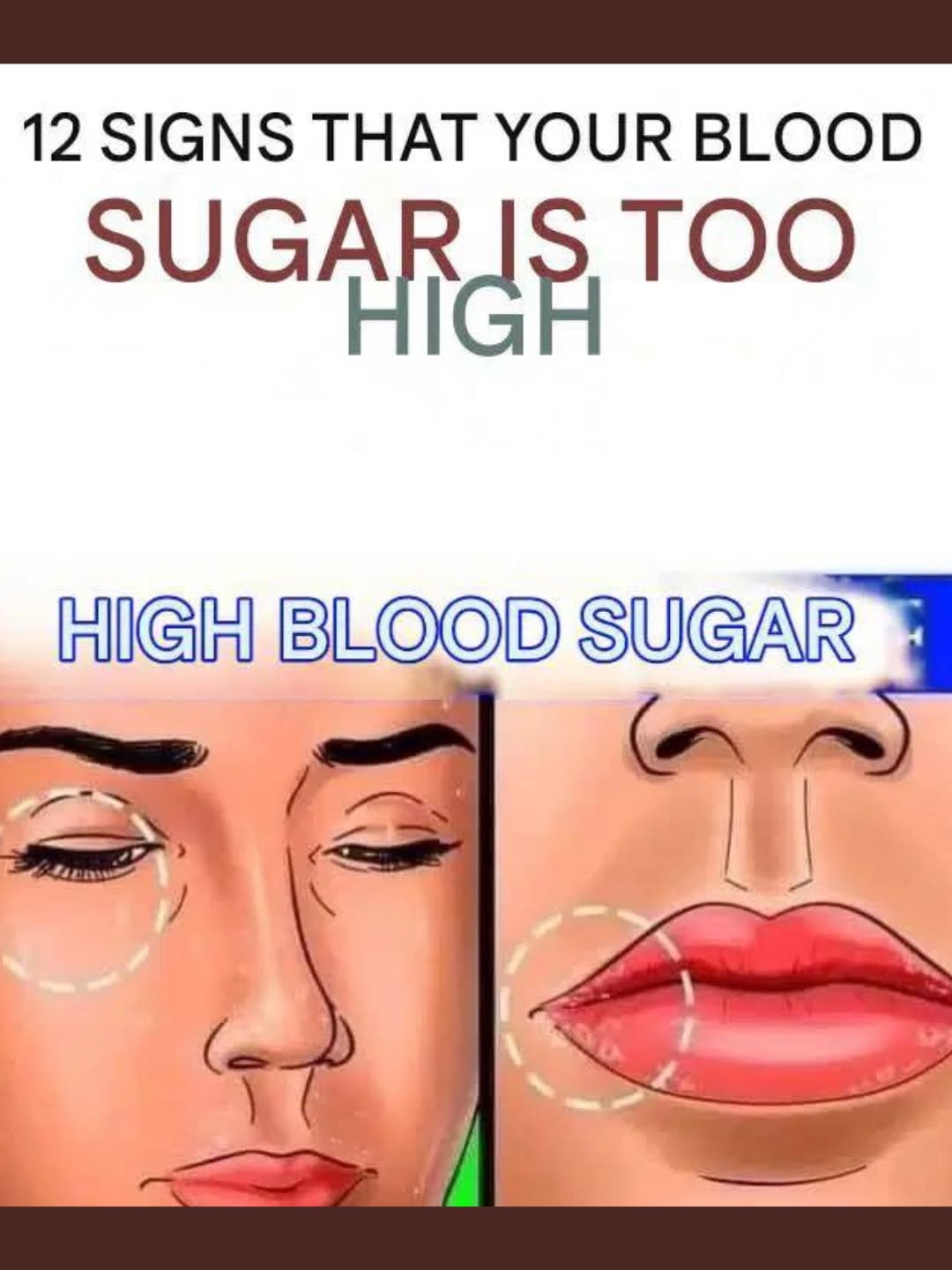
The High-Sugar Alert can be surprisingly easy to miss. Blood sugar may rise gradually, while the early clues can look like ordinary tiredness, dehydration, stress, or a bad night’s sleep. You may start drinking more water, waking up to urinate, feeling unusually hungry, or noticing that your vision occasionally looks blurry.
High blood sugar, medically called hyperglycemia, happens when too much glucose remains in the bloodstream. Diabetes is one important cause, although illness, stress, medications, and changes in diabetes treatment can also raise glucose levels.
The CDC lists common diabetes symptoms that include frequent urination, increased thirst and hunger, unexplained weight loss, fatigue, mood changes, blurry vision, and recurrent urinary or yeast infections. However, some people with diabetes have few or no noticeable symptoms, particularly early in type 2 diabetes.
Therefore, The High-Sugar Alert should never become a do-it-yourself diagnosis based only on symptoms. Blood testing provides the answer.
A few years ago, I watched someone close to me brush off months of unusual thirst and nighttime bathroom trips because the symptoms seemed too ordinary to matter. Fatigue followed, but work was busy, so that received another easy explanation. Eventually, blurry vision prompted a routine appointment, and blood testing showed that glucose levels had been running too high. What stayed with me was how unremarkable each symptom seemed by itself. The lesson was simple: persistent changes deserve attention, especially when several appear together. Symptoms can point you toward testing, but only proper medical evaluation can tell you what is actually happening.
Understanding The High-Sugar Alert and What Blood Glucose Does
Why High Blood Sugar Creates Symptoms
The High-Sugar Alert starts with understanding glucose.
Glucose provides an important source of energy for the body’s cells. Insulin helps glucose move from the bloodstream into cells where the body can use it. Diabetes develops when the body does not make enough insulin, makes none, or cannot use insulin effectively enough, allowing glucose to accumulate in the blood.
As glucose rises, several symptoms can emerge.
The kidneys normally filter the blood and help maintain fluid balance. When blood glucose becomes sufficiently elevated, more glucose passes into the urine. Water follows, which can increase urination.
Consequently, frequent urination can increase thirst.
That relationship explains two of the classic warning signs.
Meanwhile, cells may not access glucose efficiently enough despite plenty remaining in the bloodstream. That imbalance can contribute to fatigue and, in some circumstances, increased hunger.
High glucose can also affect fluid balance in tissues of the eye, which can contribute to temporary blurry vision. MedlinePlus identifies thirst, fatigue or weakness, headache, frequent urination, and blurred vision among common hyperglycemia symptoms.
However, symptoms do not always appear immediately.
Mayo Clinic notes that hyperglycemia symptoms often develop gradually over several days or weeks, and some people with long-standing type 2 diabetes may have high glucose without obvious symptoms.
That makes The High-Sugar Alert more complicated than simply waiting until you feel sick.
Regular screening can identify problems before symptoms become dramatic.
Symptoms Cannot Tell You Your Exact Blood Sugar
The High-Sugar Alert provides clues, not a glucose reading.
You cannot reliably determine your blood sugar by judging how thirsty, tired, hungry, or blurry-eyed you feel.
Many other problems can create the same symptoms.
Frequent urination can have urinary, kidney, medication, or prostate-related causes.
Fatigue can result from anemia, sleep disorders, infections, thyroid problems, stress, or dozens of other conditions.
Blurred vision can arise from eye disorders that have nothing to do with blood glucose.
Therefore, diagnosis requires testing.
NIDDK identifies several tests used to diagnose diabetes and prediabetes, including fasting plasma glucose, the A1C test, an oral glucose tolerance test, and random plasma glucose testing in appropriate circumstances.
The A1C test provides information about average blood glucose over approximately the previous three months and can help diagnose type 2 diabetes and prediabetes.
Meanwhile, fasting and random glucose tests show blood glucose closer to the time the blood sample is drawn.
This distinction matters because glucose changes throughout the day.
Meals, activity, illness, stress, and medication can influence a single measurement.
Therefore, The High-Sugar Alert should prompt testing when symptoms persist rather than encouraging people to guess their numbers.
If you already have diagnosed diabetes, follow the glucose-monitoring plan your healthcare team recommends.
If you do not have diabetes but several persistent symptoms appear, arrange an appropriate evaluation.
Testing replaces uncertainty with useful information.
The First 6 High-Sugar Symptoms Your Body May Show
Thirst, Frequent Urination, Hunger, and Fatigue
The High-Sugar Alert often begins with four classic symptoms.
1. Increased thirst. Persistent thirst can develop when high blood glucose causes increased fluid loss through urination. MedlinePlus lists thirst among the primary symptoms of hyperglycemia.
You may notice that ordinary amounts of water no longer seem satisfying.
A dry mouth may accompany the thirst as well. MedlinePlus includes very strong thirst or dry mouth among symptoms of high blood sugar.
2. Frequent urination. Needing to urinate more often than usual represents another classic symptom. Some people first notice the change because they begin waking repeatedly during the night.
One extra bathroom trip does not mean diabetes. However, a persistent increase deserves attention, particularly when intense thirst appears alongside it.
3. Increased hunger. The CDC includes increased hunger among symptoms that can occur in both type 1 and type 2 diabetes.
The experience can feel confusing because someone may eat normally or even more than usual while continuing to feel hungry.
4. Persistent fatigue. Feeling tired or weak commonly accompanies hyperglycemia. Both CDC and MedlinePlus identify fatigue or weakness among recognized symptoms.
Fatigue remains one of the least specific symptoms, so do not diagnose high blood sugar from tiredness alone.
However, fatigue plus increased thirst and frequent urination creates a pattern worth discussing with a healthcare professional.
The High-Sugar Alert becomes more meaningful as symptoms cluster together.
Blurry Vision and Unexplained Weight Loss
Two additional signs can make The High-Sugar Alert easier to recognize.
5. Blurry vision. High blood glucose can contribute to temporary changes in vision. CDC and MedlinePlus both include blurry vision among common symptoms associated with diabetes or hyperglycemia.
Vision changes deserve appropriate assessment because many eye conditions can cause blurring.
Do not assume every episode comes from glucose.
Likewise, new severe vision loss or other sudden eye symptoms require prompt evaluation.
6. Losing weight without trying. Unintentional weight loss can occur with diabetes, especially when the body cannot use glucose effectively and begins relying more heavily on stored fat and muscle for energy. CDC lists unexplained weight loss among common diabetes symptoms.
This symptom can become particularly important when someone eats normally or feels unusually hungry while continuing to lose weight.
However, unexplained weight loss has many potential causes.
Cancer, thyroid disease, gastrointestinal disorders, infections, depression, and other health conditions can also contribute.
Therefore, The High-Sugar Alert does not mean you should assume diabetes whenever the scale changes unexpectedly.
Instead, unexplained weight loss provides a reason for medical evaluation.
The combination matters most.
Imagine someone develops excessive thirst, begins urinating repeatedly at night, loses weight without intending to, and feels exhausted.
That cluster aligns strongly enough with recognized diabetes symptoms to justify timely testing.
Waiting until symptoms become severe adds no benefit.
A simple blood test can often clarify whether glucose plays a role.
Six More Symptoms That Can Accompany The High-Sugar Alert
Headaches, Dryness, Mood Changes, and Recurrent Infections
The High-Sugar Alert can include less famous symptoms as well.
7. Headaches. MedlinePlus lists headaches among symptoms that may accompany hyperglycemia.
Headaches have countless causes, so they remain a weak clue when they appear alone. However, a headache combined with unusual thirst, frequent urination, weakness, and blurry vision provides more context.
8. Dry mouth or dry skin. Increased fluid loss can contribute to dryness. MedlinePlus specifically lists dry mouth and dry skin among symptoms associated with high blood glucose.
Again, weather, dehydration, medications, and skin conditions can cause the same symptoms.
9. Irritability or mood changes. CDC includes feeling irritable or moody among possible diabetes symptoms.
Blood glucose changes can affect how someone feels, although mood changes should never become a stand-alone diabetes test.
10. Frequent urinary tract or yeast infections. CDC lists recurrent UTIs and yeast infections among diabetes symptoms.
High glucose can create conditions that make some infections more likely, particularly when diabetes remains uncontrolled.
However, recurrent infections deserve proper diagnosis because many factors can cause them.
If infections keep returning, tell your healthcare professional rather than repeatedly treating them without asking why.
Together, these signs broaden The High-Sugar Alert beyond the classic thirst-and-urination pattern.
Still, none confirms diabetes by itself.
Testing remains essential.
Slow Healing and Numbness Require More Context
Two additional symptoms often appear in discussions of diabetes.
11. Cuts or sores that heal slowly. Persistently elevated glucose can damage blood vessels and affect circulation and immune function over time. Diabetes can therefore contribute to problems with wound healing, particularly when the condition has remained poorly controlled.
CDC notes that high blood sugar over time can contribute to serious complications involving blood vessels and other organs.
A stubborn wound deserves medical attention, especially on the feet.
Do not assume the solution involves simply lowering dietary sugar without determining whether diabetes, circulation problems, infection, or another condition is present.
12. Numbness or tingling in the hands or feet. Long-term elevated glucose can damage nerves, a complication known as diabetic neuropathy. WHO notes that persistent hyperglycemia can eventually damage nerves and blood vessels.
However, numbness and tingling usually reflect longer-term nerve involvement rather than a simple momentary sugar spike.
Vitamin deficiencies, nerve compression, spinal conditions, alcohol use, medications, and many other conditions can produce similar sensations.
Therefore, The High-Sugar Alert should never turn every tingling finger into a diabetes diagnosis.
Persistent numbness, burning, tingling, or loss of sensation deserves medical evaluation regardless of the cause.
These final two symptoms also highlight an important distinction.
Some signs come directly from current high glucose, while others can reflect complications of chronically elevated glucose over time.
That difference matters because diabetes can sometimes exist quietly before complications become obvious.
Regular screening and proper treatment help identify and manage elevated glucose before long-term damage develops.
What to Do When The High-Sugar Alert Appears
Get Tested Instead of Cutting Out Sugar and Guessing
When The High-Sugar Alert appears, many people immediately decide to eliminate desserts and wait to see whether symptoms disappear.
Improving dietary habits can certainly form part of diabetes prevention and management, but symptoms deserve more than guesswork.
Diabetes involves the way the body regulates blood glucose, not simply whether you ate too many sweets.
Type 1 diabetes occurs when the body makes little or no insulin because the immune system destroys insulin-producing cells. Type 2 diabetes involves insulin resistance and, over time, insufficient insulin production relative to the body’s needs.
Therefore, simply avoiding sugar cannot diagnose or treat every form of diabetes.
Arrange testing when classic symptoms persist.
NIDDK identifies A1C, fasting plasma glucose, oral glucose tolerance testing, and random plasma glucose as established methods used for diabetes or prediabetes diagnosis.
A1C offers a longer-term picture because it reflects average blood glucose over about three months.
If your results indicate prediabetes or diabetes, your healthcare professional can explain what the numbers mean and recommend an appropriate plan.
That plan may involve nutrition changes, physical activity, medication, glucose monitoring, weight management, or insulin depending on the diagnosis and individual circumstances.
Do not borrow another person’s diabetes medicine or insulin.
Likewise, do not stop prescribed medication because one glucose reading improves.
The High-Sugar Alert works best as a prompt to gather reliable information.
Testing gives you that information.
Know When High Blood Sugar Becomes an Emergency
Most gradual symptoms of high blood sugar call for medical evaluation rather than panic.
However, severe hyperglycemia can become dangerous.
Diabetic ketoacidosis, or DKA, occurs when the body lacks enough insulin and begins producing high levels of ketones. It is a medical emergency. CDC advises emergency care for warning signs that can include persistent very high glucose, fruity-smelling breath, vomiting with inability to keep food or fluids down, breathing difficulty, and multiple DKA symptoms.
DKA can occur in people with type 1 diabetes and can sometimes be the event that leads to an initial type 1 diagnosis. CDC notes that DKA can happen at any age.
Another severe high-glucose emergency, hyperosmolar hyperglycemic state, can involve extreme dehydration, weakness, confusion, seizures, or coma. MedlinePlus describes increased thirst and urination early in the illness followed by potentially serious neurological symptoms as the condition worsens.
Therefore, The High-Sugar Alert becomes an emergency when severe symptoms appear.
Seek immediate medical care for significant trouble breathing, repeated vomiting with inability to keep fluids down, confusion, severe weakness, loss of consciousness, or other signs of a diabetic emergency.
If you already have diabetes, follow your clinician’s sick-day and ketone-testing instructions.
Do not try to correct severe symptoms solely with water, exercise, supplements, or home remedies.
High glucose emergencies require professional treatment.
Frequently Asked Questions
What are the most common signs in The High-Sugar Alert?
Frequent urination, increased thirst, increased hunger, fatigue, blurry vision, and unexplained weight loss are among the best-known diabetes symptoms. CDC also lists irritability and recurrent urinary or yeast infections.
Can you have high blood sugar without symptoms?
Yes. Some people, especially those with type 2 diabetes, may have elevated glucose without obvious symptoms. NIDDK notes that many people with diabetes do not initially know they have it. That is one reason screening matters.
Does eating too much sugar automatically cause diabetes?
No. Diabetes has multiple causes and involves problems with insulin production, insulin action, or both. Type 1 and type 2 diabetes develop through different biological processes. Diet can influence type 2 diabetes risk as part of the broader picture, but eating one sugary food does not automatically cause diabetes.
How can a doctor confirm high blood sugar or diabetes?
Healthcare professionals can use fasting plasma glucose, A1C, oral glucose tolerance, or random plasma glucose tests depending on the circumstances. The A1C test reflects average glucose over roughly three months.
When does The High-Sugar Alert require emergency care?
Emergency evaluation becomes important when severe hyperglycemia causes signs of DKA or another diabetic crisis, such as repeated vomiting, inability to keep fluids down, fruity breath, difficulty breathing, confusion, or loss of consciousness.
Conclusion
The High-Sugar Alert: Recognizing the 12 Key Symptoms Your Body is Showing You can help you notice a pattern that might otherwise seem ordinary.
Persistent thirst matters.
Frequent urination matters.
Unusual hunger, exhaustion, blurry vision, and unexplained weight loss matter.
Headaches, dry mouth, recurrent infections, mood changes, slow-healing wounds, and persistent numbness can add additional clues.
However, symptoms cannot diagnose diabetes.
Some people with high blood glucose have few symptoms, while many of the classic warning signs can come from completely different conditions.
Therefore, The High-Sugar Alert should lead to testing rather than fear.
NIDDK recognizes several established tests for diagnosing diabetes and prediabetes, including A1C, fasting glucose, oral glucose tolerance testing, and random plasma glucose in appropriate situations.
Early identification matters because chronically elevated glucose can damage blood vessels, nerves, eyes, kidneys, and other parts of the body over time.
At the same time, severe symptoms require faster action.
Vomiting that prevents you from keeping fluids down, difficulty breathing, confusion, fruity-smelling breath, or other signs of DKA can signal a medical emergency.
Pay attention when your normal pattern changes.
You do not need to diagnose yourself from a checklist, and you do not need to assume the worst.
The High-Sugar Alert simply gives you a reason to notice persistent clues, get reliable testing, and act on the results before a manageable problem becomes a more serious one.