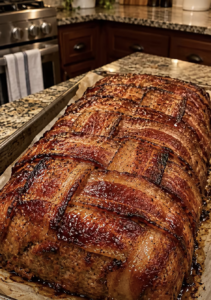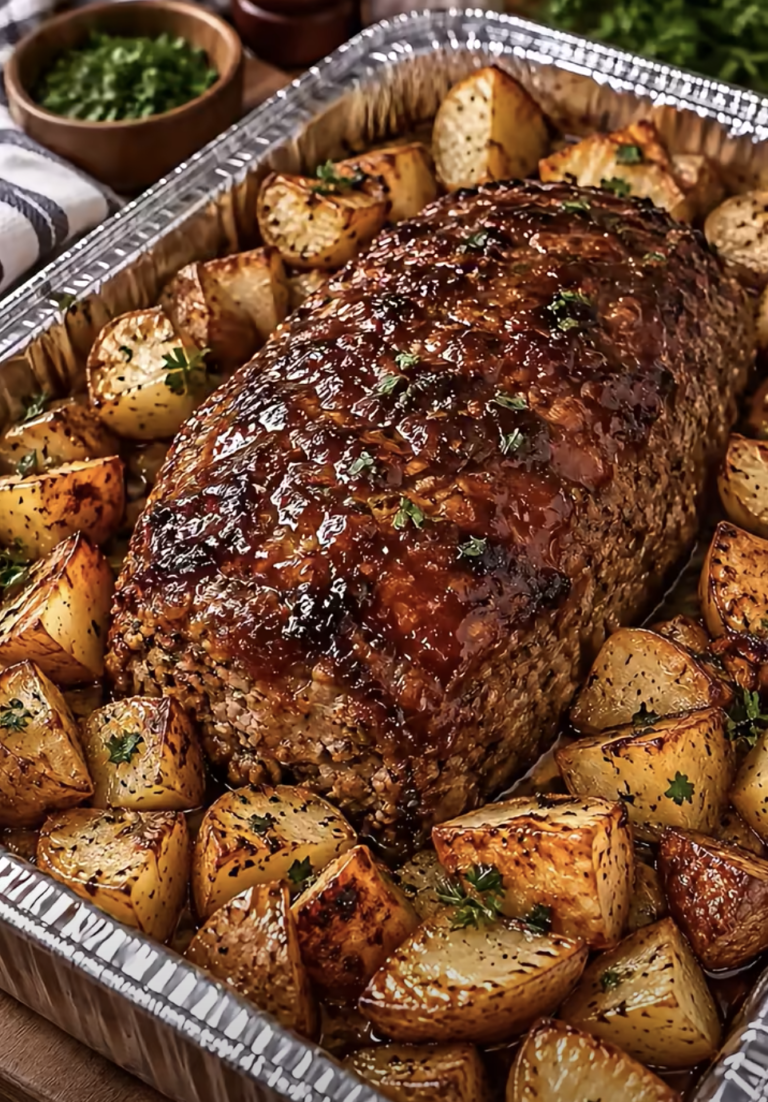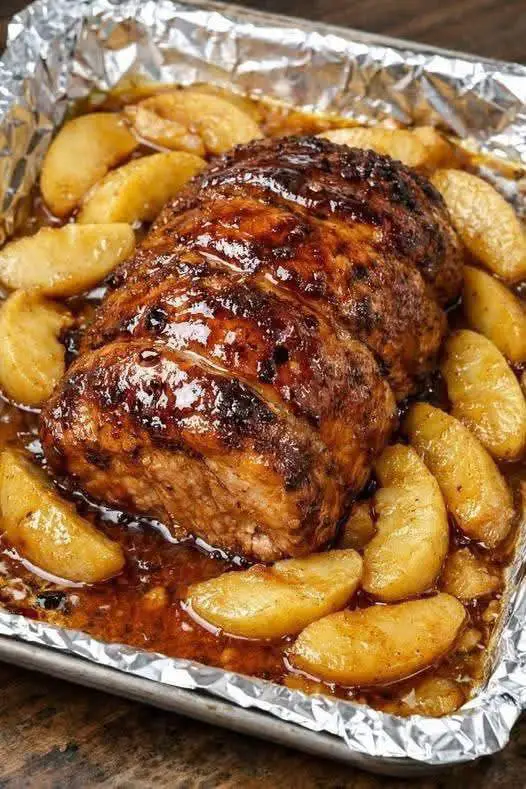
Slow-Roasted Beef Pot Roast with Caramelized Onions and Carrots is the kind of comforting dinner that turns an ordinary evening into something memorable. Tender beef, sweet onions, rich broth, and perfectly cooked carrots come together slowly in the oven until every bite melts apart with a fork. This classic recipe has stood the test of time because it delivers deep flavor with simple ingredients and very little stress.
Growing up, pot roast meant everyone stayed near the kitchen because the smell drifting through the house made waiting almost impossible. The roast would slowly bubble away while conversations filled the room and someone always sneaked a carrot before dinner officially started. Even now, this recipe brings back that same feeling of warmth and comfort. It reminds people that good meals are not rushed. Instead, they are built slowly, patiently, and shared around a crowded table with people who matter most.
Why Slow-Roasted Beef Pot Roast Always Feels Comforting
The Slow Cooking Creates Incredible Tenderness
Chuck roast contains beautiful marbling and connective tissue that transforms during slow roasting. As the meat cooks gently, the collagen breaks down and creates a rich, silky texture.
The result is beef so tender it practically falls apart with a spoon.
The Vegetables Build Rich Flavor
Onions and carrots slowly soften as they roast beside the meat. The onions become sweet and caramelized while the carrots absorb the savory broth.
Together, they create a deeply flavorful sauce without needing complicated ingredients.
Choosing the Best Beef for Pot Roast
Chuck Roast Is the Best Option
Chuck roast remains the most reliable cut for Slow-Roasted Beef Pot Roast with Caramelized Onions and Carrots because it contains enough fat and connective tissue to stay juicy during long cooking.
Lean cuts often dry out before becoming tender.
Look for Good Marbling
Choose a roast with visible white streaks of fat throughout the meat. That marbling melts during cooking and keeps the beef moist.
A well-marbled roast always produces richer flavor.
Ingredients You Will Need
Simple Pantry Staples Create Big Flavor
You only need a handful of affordable ingredients:
- 3–4 pound chuck roast
- Yellow onions
- Carrots
- Garlic
- Beef broth
- Olive oil
- Rosemary or thyme
- Salt and pepper
Optional ingredients like tomato paste or Worcestershire sauce can deepen the flavor even more.
Fresh Herbs Improve Aroma
Rosemary and thyme pair beautifully with beef because they add earthy depth without overpowering the roast.
Fresh herbs work wonderfully, although dried herbs also produce excellent results.
How to Prepare the Roast Properly
Dry the Beef Before Searing
Patting the roast dry helps create a beautiful crust. Moisture prevents browning and reduces flavor development.
A dry surface allows caramelization to happen quickly.
Season Generously
Large cuts of meat require enough salt and pepper to flavor the entire roast. Proper seasoning enhances both the beef and the broth.
Do not be afraid to season thoroughly before cooking.
Why Searing Makes Such a Difference
Browning Adds Deep Flavor
Searing creates rich caramelized notes that give the finished dish its signature savory taste.
Those browned bits left in the pan become part of the sauce later.
A Good Crust Locks In Texture
Although searing does not technically “seal in juices,” it creates texture and flavor that make the finished roast more satisfying.
Even a few minutes of browning noticeably improves the final result.
Building the Perfect Roasting Base
Onions Form a Flavor Foundation
As onions roast beneath the beef, they slowly soften into the broth and create natural sweetness.
This balances the richness of the meat beautifully.
Carrots Add Sweetness and Texture
Large carrot pieces hold their shape during long cooking while absorbing savory flavor from the broth.
They become tender without turning mushy.
The Secret to Perfect Slow Roasting
Low Temperature Produces Better Texture
Cooking at 325°F allows the connective tissue to slowly break down without drying the meat.
Higher temperatures often toughen the roast before it becomes tender.
Keep the Pan Covered
Covering the pan traps steam and moisture inside the pot. This prevents the beef from drying out and keeps the vegetables soft.
A tightly sealed Dutch oven works especially well.
How to Know When the Pot Roast Is Ready
Fork-Tender Is the Goal
The roast should easily pull apart with very little effort. If the meat still feels tough, it likely needs more time.
Patience matters with pot roast.
Rest Before Slicing
Allowing the meat to rest for 10–15 minutes helps the juices settle back into the roast.
This keeps each slice moist and flavorful.
Serving Suggestions for Pot Roast
Classic Side Dishes Always Work
Slow-Roasted Beef Pot Roast with Caramelized Onions and Carrots pairs beautifully with:
- Mashed potatoes
- Buttered egg noodles
- Crusty bread
- Rice
These sides soak up the rich sauce perfectly.
Fresh Greens Balance the Meal
A crisp green salad or steamed vegetables help lighten the richness of the roast.
Simple flavors complement the hearty beef best.
Storage and Make-Ahead Tips
Pot Roast Tastes Even Better the Next Day
The flavors continue developing overnight, making leftovers incredibly delicious.
Store leftovers in an airtight container with the broth to keep the meat moist.
Freezing Works Very Well
Pot roast freezes beautifully for up to three months.
Freeze both the meat and sauce together for best results.
Frequently Asked Questions
Can I make this in a slow cooker?
Yes. Cook on LOW for 8–9 hours or HIGH for 5–6 hours after searing the beef.
What vegetables work besides carrots?
Potatoes, celery, parsnips, and mushrooms all work well.
Why is my roast still tough?
It likely needs more cooking time. Tough connective tissue softens only after extended slow cooking.
Can I skip searing?
Yes, although searing adds deeper flavor and richer color.
What is the best wine pairing?
Cabernet Sauvignon and Malbec pair beautifully with beef pot roast.
Conclusion
Slow-Roasted Beef Pot Roast with Caramelized Onions and Carrots remains one of the most comforting meals because it transforms simple ingredients into something deeply satisfying. The slow cooking fills the kitchen with rich aroma, the vegetables soften into the sauce, and the beef becomes irresistibly tender.
This recipe proves that comfort food does not need to be complicated. Sometimes the best meals come from patience, warmth, and a heavy pot slowly roasting in the oven while everyone waits for dinner together.