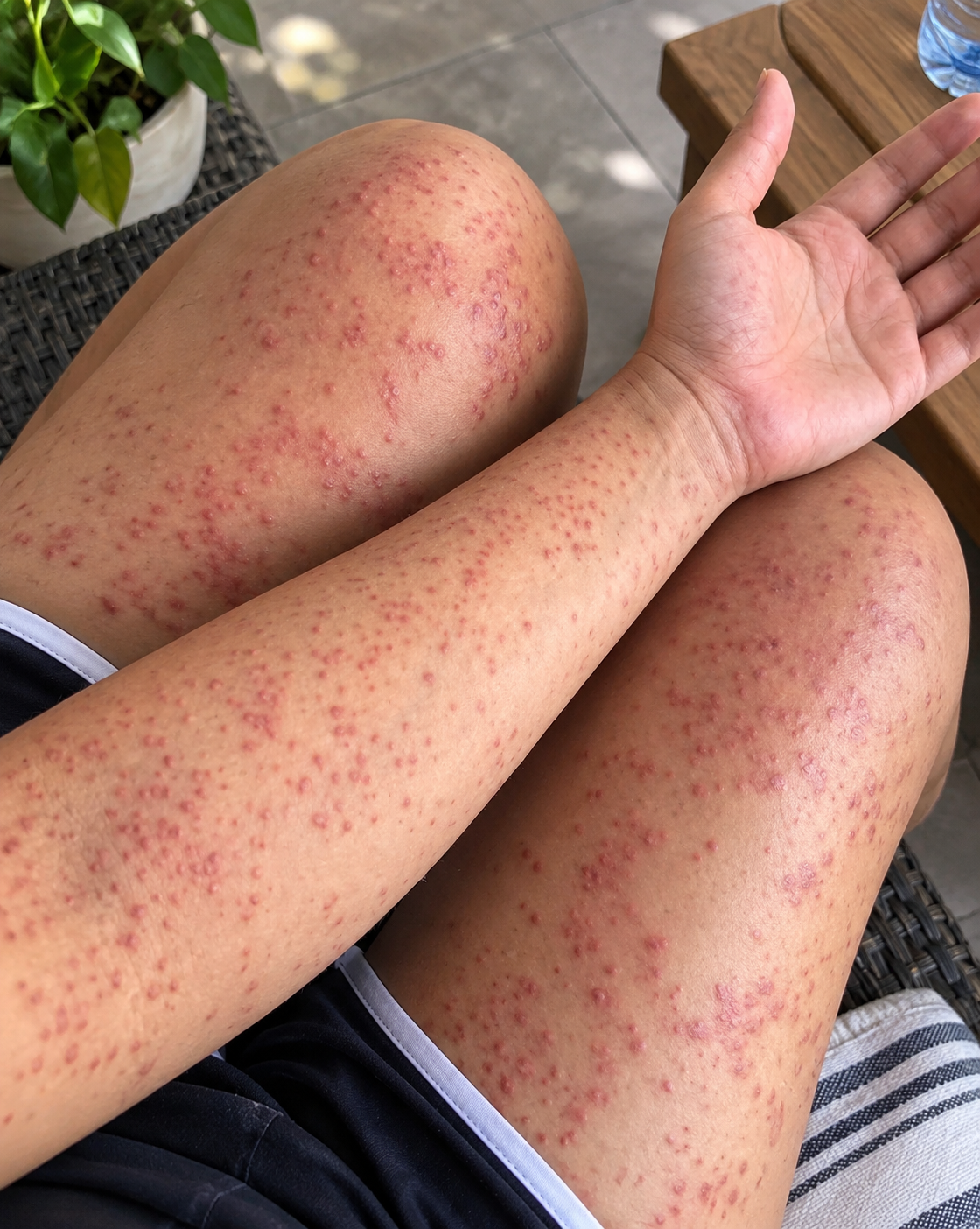
Skin Rash With Breathing Trouble should never be ignored. A rash can come from many relatively minor causes, but when hives or another sudden skin reaction appears together with difficulty breathing, throat tightness, wheezing, dizziness, or swelling of the face or mouth, the combination may signal anaphylaxis.
Anaphylaxis is a severe allergic reaction that can become life-threatening very quickly. It can narrow the airways, lower blood pressure, and affect several body systems at once. Because symptoms can worsen rapidly, suspected anaphylaxis requires immediate emergency treatment rather than a wait-and-see approach.
This is one of those health topics that deserves calm attention instead of panic. I remember first learning how different an ordinary rash can be from a rash accompanied by breathing difficulty, and that distinction stayed with me. It made me realize that knowing a few unmistakable warning signs can be much more useful than trying to memorize every possible allergy symptom. When breathing, swallowing, consciousness, or circulation becomes affected, the priority changes immediately from observation to emergency action.
If someone develops Skin Rash With Breathing Trouble or other symptoms strongly suggesting anaphylaxis, contact emergency medical services right away. If that person has a prescribed epinephrine auto-injector, use it according to their emergency plan and device instructions. Even if symptoms improve after epinephrine, emergency evaluation remains necessary because symptoms can return.
Why Skin Rash With Breathing Trouble Can Be an Emergency
What Happens During Anaphylaxis
Anaphylaxis happens when the immune system produces an unusually severe reaction to a trigger. During that reaction, the body releases chemicals that can affect blood vessels, the skin, the digestive system, and the airways. As a result, symptoms may develop in several parts of the body at the same time.
The skin may develop hives, itching, flushing, or swelling. Meanwhile, the airways can narrow or the tongue and throat can swell, making breathing or swallowing difficult. Blood pressure may also fall suddenly, which can cause weakness, dizziness, fainting, or shock.
The reaction can begin within minutes after exposure to an allergen, although timing can vary. Because anaphylaxis can progress quickly, a person should not wait for every possible symptom to appear before seeking help. Severe breathing trouble or other major warning signs can justify emergency treatment even when a dramatic rash is absent.
This point matters because people sometimes imagine that anaphylaxis always follows the same pattern. It does not. One person may develop widespread hives and wheezing, while another may mainly experience throat swelling, dizziness, or gastrointestinal symptoms. Therefore, the overall pattern and severity matter more than any single symptom.
Common Triggers of Severe Allergic Reactions
Foods rank among the best-known triggers of anaphylaxis. Peanuts, tree nuts, fish, shellfish, and other foods can cause severe reactions in susceptible people. However, virtually any food can become a trigger for someone with a specific allergy.
Medications can also cause serious allergic reactions. Antibiotics and other medicines may trigger anaphylaxis in some people, while insect stings from bees, wasps, yellow jackets, hornets, or fire ants represent another recognized cause. Latex can also act as a trigger.
Sometimes the trigger becomes obvious because symptoms begin shortly after eating a particular food, receiving medication, or getting stung. In other cases, the cause may remain uncertain at first. That uncertainty should not delay emergency care when severe symptoms appear.
After the emergency has passed, a healthcare professional or allergy specialist may help identify the likely trigger. That evaluation can help a person develop a prevention plan, learn how to avoid future exposure, and determine whether carrying prescribed epinephrine makes sense.
Warning Signs That Require Immediate Action
Breathing, Throat, and Circulation Symptoms
Difficulty breathing represents one of the most serious signs during a suspected allergic reaction. A person may wheeze, struggle to take a full breath, develop a tight feeling in the chest, or feel as though the throat is closing. Swelling of the tongue, lips, or throat can also interfere with breathing or swallowing.
Circulation problems can appear at the same time. Someone may become dizzy, unusually weak, confused, pale, or faint. A rapid, weak pulse or sudden loss of consciousness can indicate that blood pressure has dropped dangerously.
These symptoms demand immediate attention whether or not a rash looks severe. A few small hives combined with significant breathing trouble can be much more serious than a large itchy rash with otherwise normal breathing and circulation.
Therefore, avoid judging danger solely by the appearance of the skin. During an allergic emergency, airway and circulation symptoms deserve particular attention. If someone struggles to breathe, develops throat swelling, faints, or appears seriously unwell, call your local emergency number immediately.
Hives, Swelling, and Other Symptoms
Hives often appear as raised, itchy welts that can develop quickly and move from one area of the body to another. Skin can also become flushed, itchy, or swollen. Swelling around the eyes, lips, face, or mouth may accompany a severe allergic reaction.
Digestive symptoms can occur as well. Nausea, vomiting, abdominal discomfort, or diarrhea may accompany anaphylaxis, especially when symptoms affect several systems at once. Dizziness and a sudden sense that something is seriously wrong can also occur.
However, a person does not need every symptom on a checklist to have a medical emergency. For example, trouble breathing after a known allergen exposure should receive urgent attention even if hives have not appeared yet.
Likewise, anaphylaxis does not always produce obvious skin findings. This makes it especially important for people with known severe allergies to understand the emergency plan provided by their healthcare professional and to keep prescribed medication readily available.
What to Do During a Suspected Anaphylactic Reaction
Use Epinephrine and Call Emergency Services
Epinephrine is the key emergency medication for anaphylaxis. People who have known severe allergies may carry a prescribed auto-injector designed to deliver a specific dose into the outer thigh. If someone is experiencing suspected anaphylaxis and has been prescribed an auto-injector, it should be used promptly according to their treatment plan and device instructions.
Call your local emergency number immediately as well. Do not rely on improvement after the injection as proof that the danger has passed. Symptoms can return after initially improving, so medical monitoring after anaphylaxis remains important.
If you are helping someone else, tell emergency dispatchers that you suspect a severe allergic reaction. Follow their instructions while help is on the way. If the person becomes unresponsive and stops breathing normally, CPR may be necessary if you know how to provide it.
The most important principle is speed. Anaphylaxis is not the situation for experimenting with home remedies, waiting for a rash to spread, or hoping breathing will improve on its own. Prompt recognition and treatment can make a critical difference.
Why Antihistamines Are Not Enough
Antihistamines can help with certain mild allergy symptoms, including itching and hives. However, they do not replace epinephrine when a person develops anaphylaxis. They act too slowly and do not adequately treat the dangerous airway or circulation problems involved in a severe reaction.
That distinction is extremely important. Someone with Skin Rash With Breathing Trouble should not simply take an antihistamine and wait to see what happens. Breathing difficulty changes the situation from a potentially mild allergy problem to one that may require emergency treatment.
Likewise, drinking water, taking a shower, applying cream to a rash, or trying to relax cannot reverse anaphylaxis. Those steps may feel reassuring during a minor skin reaction, but they cannot address dangerous airway narrowing or a sudden blood-pressure drop.
After emergency treatment, healthcare professionals may use additional medicines and supportive care depending on the person’s condition. However, those treatments complement emergency management rather than replacing prompt epinephrine when anaphylaxis is suspected.
How to Prepare for Future Allergic Emergencies
Create a Clear Allergy Action Plan
Anyone who has experienced a severe allergic reaction should discuss future prevention with a qualified healthcare professional. Identifying the trigger matters because avoiding future exposure remains one of the most effective preventive strategies.
An allergy specialist may recommend testing or additional evaluation depending on the circumstances. The person may also receive a written emergency action plan explaining which symptoms should trigger epinephrine use and when emergency medical care is necessary.
If epinephrine auto-injectors have been prescribed, keep them accessible rather than buried in a bag, locked in a car, or left somewhere difficult to reach. Check expiration dates regularly and follow the manufacturer’s storage instructions. Mayo Clinic also advises people at risk to maintain access to prescribed emergency medication.
Family members, caregivers, teachers, coworkers, or close friends may also benefit from knowing about a severe allergy. When appropriate, they can learn where the person’s medication is kept and what to do during an emergency. Preparation reduces uncertainty when every minute matters.
Reduce Exposure Without Living in Fear
A severe allergy can feel overwhelming after the first reaction, but preparation can make daily life more manageable. Start by understanding the confirmed trigger instead of avoiding large groups of unrelated foods or substances without professional guidance.
For food allergies, read ingredient labels carefully and ask questions when eating food prepared by someone else. Manufacturing processes and recipes can change, so checking familiar products repeatedly remains worthwhile.
People with medication allergies should make sure relevant healthcare professionals know about documented reactions. Likewise, people with serious insect-sting allergies may receive individualized prevention and treatment advice from an allergist.
The goal is not constant fear. Instead, a practical plan can replace uncertainty with clear steps. Know the trigger, know the warning signs, keep prescribed emergency medication available, and seek emergency help promptly when severe symptoms appear.
Frequently Asked Questions
Is a rash with trouble breathing always anaphylaxis?
Not necessarily, because other medical conditions can cause breathing difficulty and skin changes. However, the combination can signal anaphylaxis and requires urgent medical assessment, particularly when symptoms begin suddenly after exposure to a possible allergen.
Can anaphylaxis happen without hives?
Yes. Skin symptoms are common, but anaphylaxis does not always cause hives or an obvious rash. Severe throat swelling, breathing difficulty, fainting, or other systemic symptoms can occur without dramatic skin findings.
Should I take an antihistamine first?
Antihistamines do not replace epinephrine for suspected anaphylaxis. If someone has severe breathing trouble or other signs of anaphylaxis and has a prescribed epinephrine auto-injector, use it according to the emergency plan and call emergency medical services.
Do I still need the emergency room if epinephrine works?
Yes. Symptoms can return after initially improving, so medical observation is recommended after anaphylaxis. Emergency professionals can also monitor breathing, circulation, and any additional treatment needs.
What are the most common triggers of anaphylaxis?
Common triggers include certain foods, medications, insect stings, and latex. However, triggers vary considerably between individuals, and sometimes the cause is not immediately obvious.
Conclusion
Skin Rash With Breathing Trouble can be much more than an uncomfortable allergic reaction. When a sudden rash or hives appear alongside breathing difficulty, throat or facial swelling, dizziness, fainting, or other severe symptoms, anaphylaxis becomes an important concern.
Anaphylaxis can affect the skin, lungs, circulation, and digestive system at the same time. Because it can progress rapidly, immediate treatment matters. Use prescribed epinephrine promptly when indicated and contact emergency medical services rather than waiting to see whether symptoms disappear.
Antihistamines may help some mild allergy symptoms, but they cannot substitute for epinephrine during a severe reaction. Likewise, home remedies should never delay emergency care when someone struggles to breathe or shows other signs of a life-threatening reaction.
Knowing the warning signs does not mean living in fear. It means knowing exactly when ordinary observation is no longer enough. When Skin Rash With Breathing Trouble appears together, quick recognition, prescribed epinephrine when available, and immediate professional medical care can provide the safest response.