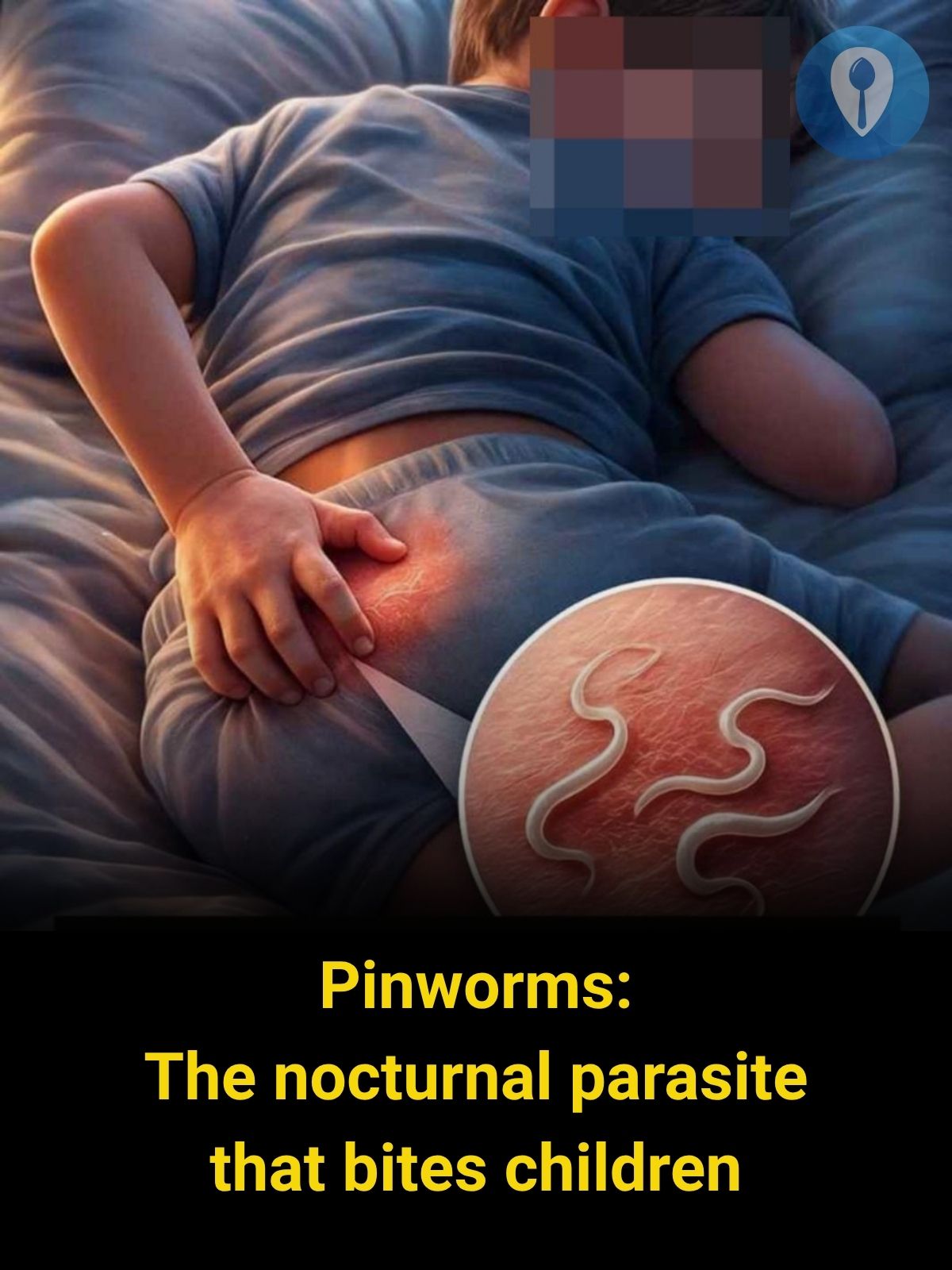
Let’s talk about something many parents experience but don’t always feel comfortable discussing: pinworms. If your child has been waking up at night scratching, complaining of an itchy bottom, or you’ve noticed tiny white thread-like worms in their underwear or diaper, it’s completely natural to feel concerned.
Here’s the reassuring truth: pinworms are very common, easy to treat, and not a sign of poor hygiene. They affect millions of children worldwide, especially those in school or daycare environments. With the right information and simple steps, you can manage the situation quickly and help your child feel comfortable again.
This guide is here to give you clear, calm, and practical answers—without fear or confusion.
🧬 What Exactly Are Pinworms?
Pinworms (scientific name: Enterobius vermicularis) are tiny, white, thread-like parasites that live in the human intestines.
Key characteristics:
- About ¼ to ½ inch long (similar to a small staple)
- Thin, white, and slightly wiggly when alive
- Visible to the naked eye in some cases
Important facts:
- They only infect humans (pets do NOT spread them)
- They are the most common intestinal worm infection in children
- They are not dangerous, but they can be uncomfortable
🌙 Why Do Pinworms Cause Itching at Night?
This is the most common—and most confusing—question parents ask.
The answer lies in the worm’s life cycle.
✨ What happens at night:
- During the day, pinworms live quietly in the intestine
- At night, female worms move to the anal area
- They lay thousands of microscopic eggs
- They release a sticky substance that irritates the skin
- This causes intense itching, especially while your child is asleep
👉 The itching is often worse at night because:
- The body is relaxed
- The environment is dark (pinworms avoid light)
- There are fewer distractions, so the sensation feels stronger
🔍 Common Symptoms to Watch For
Pinworms are usually mild, but they can cause noticeable discomfort.
Most common signs:
- Intense itching around the anus (especially at night)
- Trouble sleeping or waking frequently
- Irritability or restlessness
- Scratching during sleep
- Tiny white worms visible in stool or underwear
Less common symptoms:
- Mild stomach discomfort
- Loss of appetite
- Vaginal irritation (in girls, if worms spread)
🧪 How Do Children Get Pinworms?
Pinworms spread very easily—especially among children.
The transmission cycle:
- A child touches a surface contaminated with eggs
- Eggs get on their fingers
- The child puts fingers in their mouth
- Eggs enter the digestive system
- Worms develop in the intestine
- The cycle repeats
Common places where it spreads:
- Schools and daycare centers
- Shared toys
- Bedding and clothing
- Bathrooms
👉 Eggs can survive on surfaces for up to 2–3 weeks, making reinfection common if precautions aren’t taken.
🏠 Why Clean Homes Still Get Pinworms
This is important to understand:
👉 Pinworms are NOT a sign of a dirty home.
Even in very clean households:
- Kids play together
- They touch shared objects
- They forget to wash hands
That’s all it takes.
There is no shame in dealing with pinworms—it’s simply part of childhood exposure.
💊 How Are Pinworms Treated?
The good news: treatment is simple and effective.
Common medications:
- Mebendazole
- Albendazole
- Pyrantel pamoate
How treatment works:
- A single dose kills the worms
- A second dose (after 2 weeks) kills newly hatched worms
👉 Often, doctors recommend treating the whole household, even if only one child has symptoms.
🧼 How to Stop the Spread (Very Important)
Medication kills the worms—but hygiene stops reinfection.
Daily habits to follow:
- Wash hands frequently (especially after bathroom use)
- Keep fingernails short and clean
- Avoid nail biting
- Change underwear daily
- Shower in the morning to remove eggs
Cleaning routine:
- Wash bedding, pajamas, and towels in hot water
- Vacuum floors and carpets regularly
- Clean bathroom surfaces daily
- Avoid shaking bedding (to prevent spreading eggs)
👶 When to See a Doctor
In most cases, pinworms are easy to treat at home. However, you should consult a doctor if:
- Symptoms persist after treatment
- The itching becomes severe
- There are signs of infection (redness, swelling)
- You’re unsure about the diagnosis
⚠️ Are Pinworms Dangerous?
This is a common worry—but here’s the reassurance:
👉 Pinworms are not dangerous.
They do NOT:
- Cause serious illness
- Damage organs
- Lead to long-term health problems
The main issue is discomfort and sleep disturbance, not harm.
🧠 Final Thoughts
Discovering pinworms can feel stressful—but it’s actually a very common and manageable situation.
Let’s recap:
- Pinworms are harmless but annoying
- Nighttime itching is caused by egg-laying
- They spread easily—but can be stopped
- Treatment is simple and effective
- Hygiene is the key to preventing reinfection
👉 Most importantly: you’re not alone, and you didn’t do anything wrong.
With the right care, your child will feel better quickly—and your home will be back to normal in no time.
More Home Remedies
- Wrinkled Fingers After Water Exposure: What Your Skin May Be Telling You
- Skin Rash With Breathing Trouble? It Could Be a Life-Threatening Allergic Reaction
- I Thought It Was a Piece of Trash on the Bathroom Floor—Until It Moved
- If You Are Getting White Pimples on Your Lips or Intimate Area, Here’s What They Could Mean