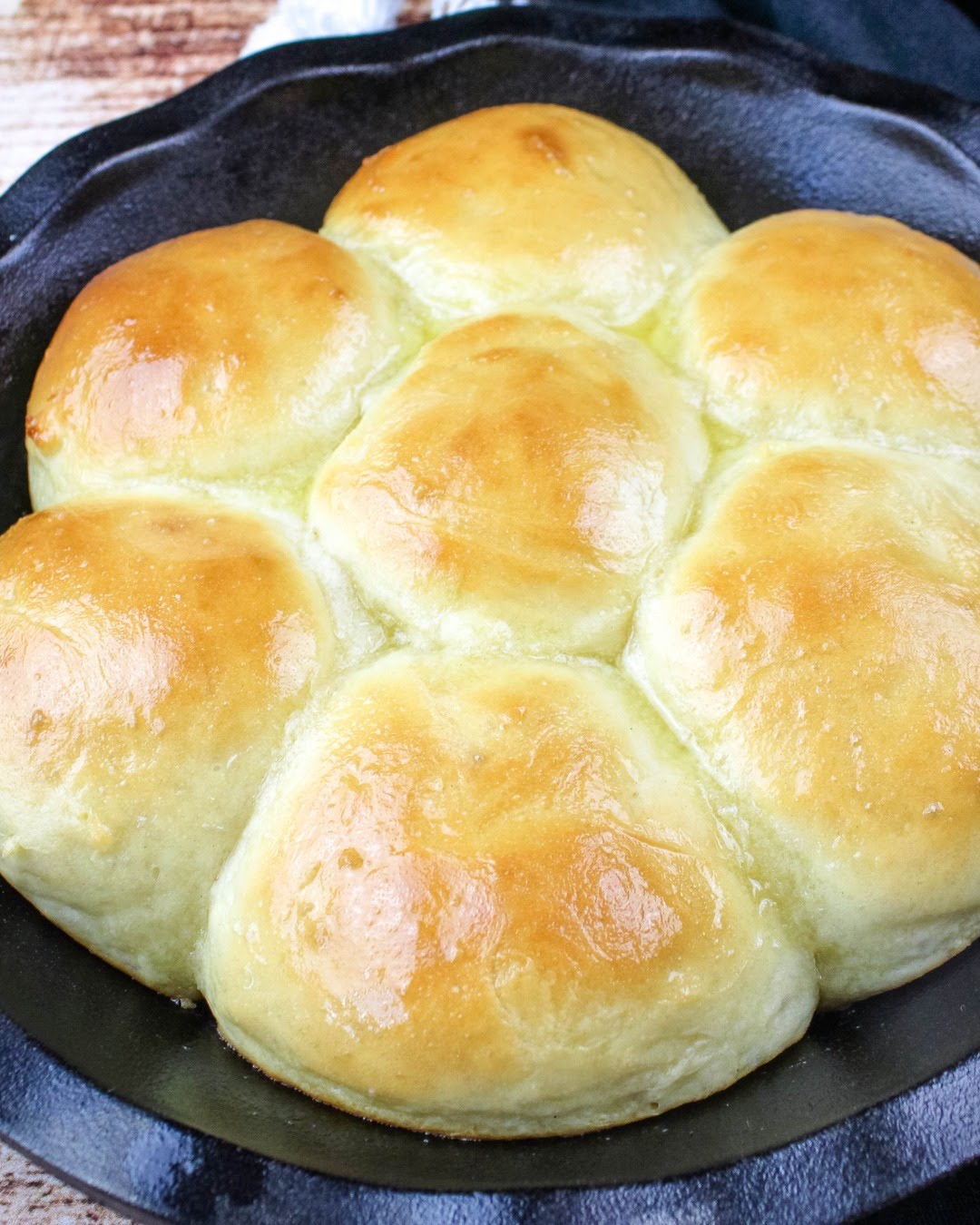
Mother’s Refrigerator Rolls are the kind of homemade bread that makes dinner feel special without making the day feel stressful. Because the dough rests in the refrigerator, you can make it ahead, bake only what you need, and enjoy warm rolls throughout the week. These rolls bake up golden, tender, slightly sweet, and perfectly soft inside.
This recipe feels practical and nostalgic at the same time. It uses simple ingredients, but the results taste like something served at a holiday table. Best of all, Mother’s Refrigerator Rolls let you enjoy fresh yeast rolls without starting dough from scratch every single time.
My favorite memory of these rolls comes from watching a big covered bowl disappear into the refrigerator before a busy family week. No one made a big fuss over it, yet everyone knew something good waited inside. At dinner, a small piece of dough became a pan of soft golden rolls, brushed with melted butter while still hot. The kitchen smelled warm and familiar, and the rolls always vanished fast. That simple routine made meals feel cared for, even on ordinary nights. Now, Mother’s Refrigerator Rolls bring that same comfort to any table with very little effort.
Ingredients
Equipment
Method
- Mix yeast with 1/2 cup warm water and set aside.
- Beat the egg with a fork and set aside.
- In a large bowl, mix shortening, salt, and sugar.
- Add beaten egg, yeast mixture, and 2 cups warm water.
- Mix in 6 cups flour until a soft dough forms.
- Scrape the sides of the bowl to make sure everything is incorporated.
- Transfer dough to a large greased bowl and grease the top of the dough.
- Cover tightly with plastic wrap and refrigerate at least overnight or up to one week.
- Remove the desired amount of dough and knead gently on a lightly floured board.
- Cut rolls with a floured cutter, dip in melted butter or margarine, and place in a pan.
- Cover and let rise until doubled.
- Bake at 375 degrees F for 15 to 20 minutes, or until golden brown.
- Brush hot rolls with melted butter or margarine before serving.
Notes
Why Mother’s Refrigerator Rolls Work So Well
The Dough Fits Real Life
Mother’s Refrigerator Rolls solve one of the biggest problems with homemade bread: timing. Since the dough chills overnight, you can prepare it before a busy day and bake rolls when needed.
Instead of rushing through rising times, the refrigerator slows the yeast and lets the dough develop flavor. As a result, the rolls taste rich, tender, and homemade.
This method also gives you flexibility. You can bake a full batch for a holiday meal, or you can pull out a smaller amount for weeknight dinners.
Because the dough keeps for several days, these rolls feel practical for families, gatherings, and meal planning.
The Texture Stays Light and Fluffy
The secret to light Mother’s Refrigerator Rolls comes from gentle handling. The less you work the dough after chilling, the softer the rolls become.
Shortening adds tenderness, while sugar feeds the yeast and gives the rolls a mild sweetness. Meanwhile, the egg helps create structure and richness.
Warm water activates the yeast, but it should never feel hot. If the water gets too hot, it can weaken the yeast and stop the dough from rising properly.
After baking, melted butter or margarine adds shine, flavor, and a soft finish.
Ingredients That Make the Rolls Special
Simple Pantry Staples
Mother’s Refrigerator Rolls use basic ingredients that many kitchens already have. You need active dry yeast, flour, sugar, salt, shortening, an egg, warm water, and butter or margarine.
Although the ingredient list looks simple, each item matters. Flour gives the dough body, while yeast creates the rise. Sugar adds sweetness and helps the rolls brown beautifully.
Salt balances the flavor, and shortening keeps the crumb tender. The beaten egg adds softness and helps the rolls hold their shape.
For best results, use all-purpose flour or a soft bread flour. Add only enough extra flour for kneading and cutting.
Butter Makes Them Better
Melted butter or margarine plays two important roles in this recipe. First, dipping the shaped rolls before placing them in the pan adds richness. Then brushing the hot rolls after baking gives them a tender, glossy top.
Because the rolls are mild and slightly sweet, butter brings out their best flavor. It also keeps the outside soft rather than dry.
You can use salted or unsalted butter. However, if using salted butter, avoid adding extra salt beyond the recipe.
For a special meal, brush the tops twice: once right after baking and again just before serving.
How to Make Refrigerator Roll Dough
Mixing the Dough
Start by dissolving the yeast in warm water. Let it sit while you beat the egg and prepare the other ingredients.
Next, mix shortening, salt, and sugar in a large bowl. Then add the beaten egg, yeast mixture, and remaining warm water.
Gradually stir in the flour until a soft dough forms. Since this is a refrigerator dough, it may look slightly sticky before chilling. That is normal.
Scrape the sides of the bowl well so all ingredients combine evenly. After that, transfer the dough to a greased bowl and lightly grease the top.
Cover the bowl tightly before refrigerating. This prevents the dough from drying out as it chills.
Chilling and Shaping
Let the dough rest in the refrigerator at least overnight. During this time, the yeast works slowly and the dough becomes easier to handle.
When ready to bake, remove only the amount you need. Place it on a lightly floured board and knead gently.
Do not add too much flour because extra flour can make the rolls heavy. Instead, use just enough to prevent sticking.
Cut the dough with a floured cutter, dip each piece in melted butter, and place the rolls in a pan. Cover them and let them rise until doubled.
Once puffy, bake until golden brown.
Baking, Serving, and Storing
Baking to Golden Perfection
Bake Mother’s Refrigerator Rolls in a 375-degree oven for about 15 to 20 minutes. The tops should turn golden brown, and the rolls should feel light when lifted.
Because ovens vary, check them near the 15-minute mark. Overbaking can dry them out, while underbaking can leave the centers doughy.
After removing them from the oven, brush the hot rolls with melted butter or margarine right away.
This step gives the rolls their soft, rich finish and makes them extra inviting on the table.
Best Ways to Serve
These rolls taste wonderful with almost any meal. Serve them with roast chicken, baked ham, turkey, soups, stews, or holiday sides.
They also work beautifully for breakfast. Split a warm roll and add butter, honey, jam, or apple butter.
For leftovers, turn them into small sandwiches or serve them with gravy. Because the flavor is mild, they pair well with both sweet and savory toppings.
Store baked rolls in an airtight container at room temperature for two days. For longer storage, freeze them and reheat gently.
Helpful Tips for Perfect Rolls
Avoid Heavy Dough
Heavy rolls usually come from too much flour or too much handling. Therefore, flour the board lightly and knead only as much as needed.
Also, let the rolls rise until doubled before baking. If they do not rise enough, they may bake up dense.
Make sure the yeast is fresh. Expired yeast can keep the dough from rising properly.
Finally, keep the dough covered tightly in the refrigerator so the surface stays soft.
Easy Variations
Mother’s Refrigerator Rolls taste classic as written, but you can adjust them for different meals.
For sweeter rolls, brush the tops with honey butter after baking. For savory rolls, sprinkle a little garlic powder or dried herbs into the melted butter.
You can also shape the dough into cloverleaf rolls, small knots, or simple rounds.
For holidays, bake the rolls in a cast iron skillet for a rustic presentation.
Frequently Asked Questions
How long can refrigerator roll dough stay in the fridge?
The dough can stay refrigerated for up to one week when covered tightly.
Can I bake all the rolls at once?
Yes. You can bake the full batch at one time or use smaller portions throughout the week.
Why did my rolls turn out dense?
Dense rolls usually come from too much flour, overworking the dough, or not allowing enough rising time.
Can I use butter instead of margarine?
Yes. Butter works well for dipping, brushing, and adding rich flavor.
Can I freeze Mother’s Refrigerator Rolls?
Yes. Freeze baked rolls in an airtight bag, then reheat until warm and soft.
Conclusion
Mother’s Refrigerator Rolls are soft, golden, buttery, and wonderfully convenient. Because the dough waits in the refrigerator, you can enjoy fresh homemade rolls with very little daily effort.
This recipe belongs at everyday dinners, holiday tables, and family gatherings. With simple ingredients and gentle handling, Mother’s Refrigerator Rolls bake into the kind of bread everyone reaches for first.