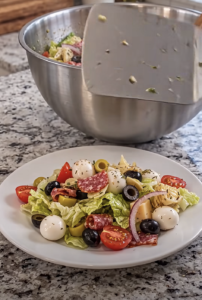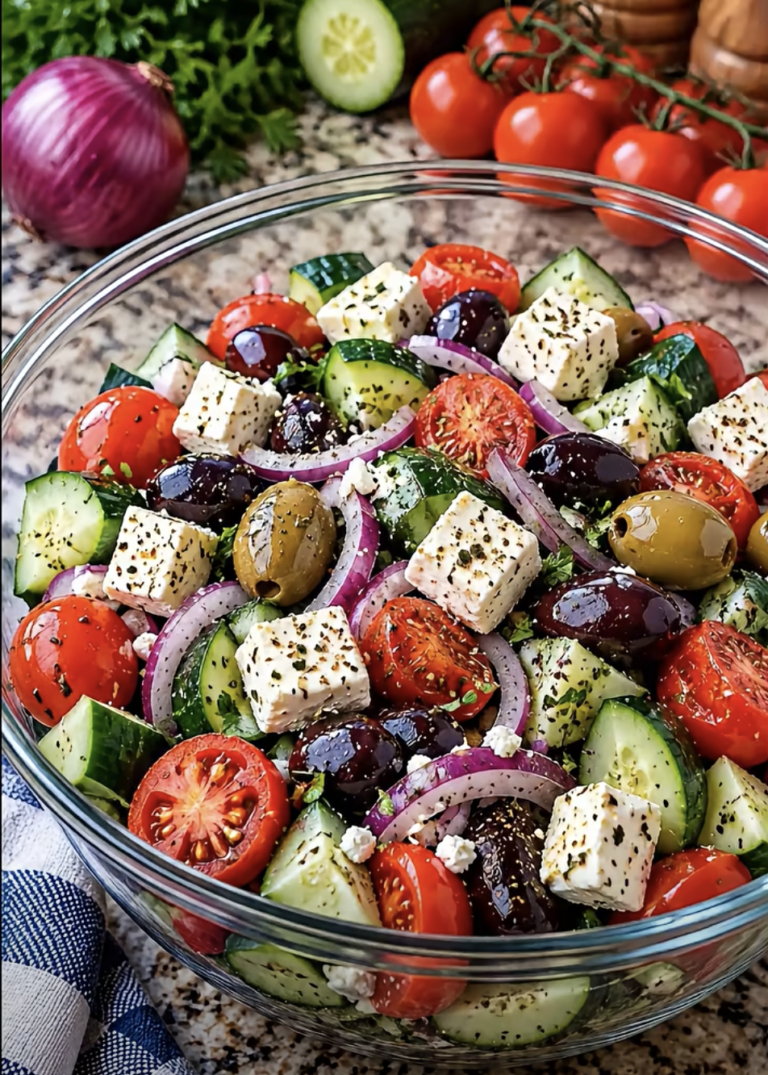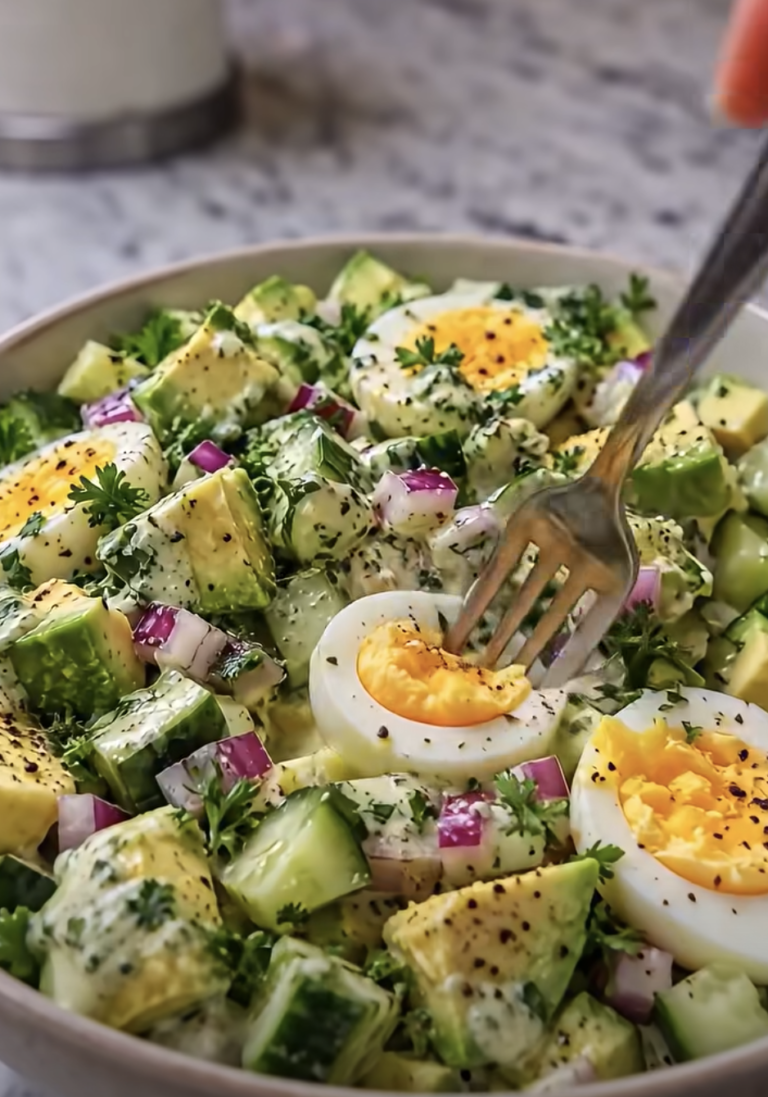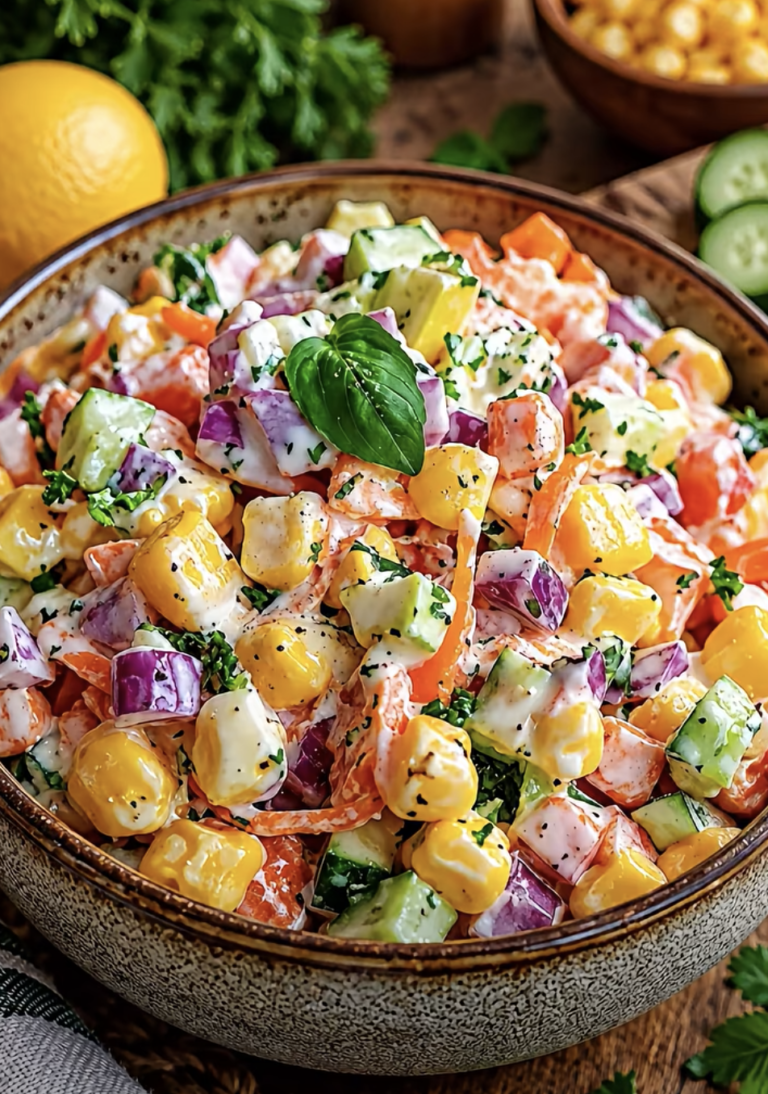
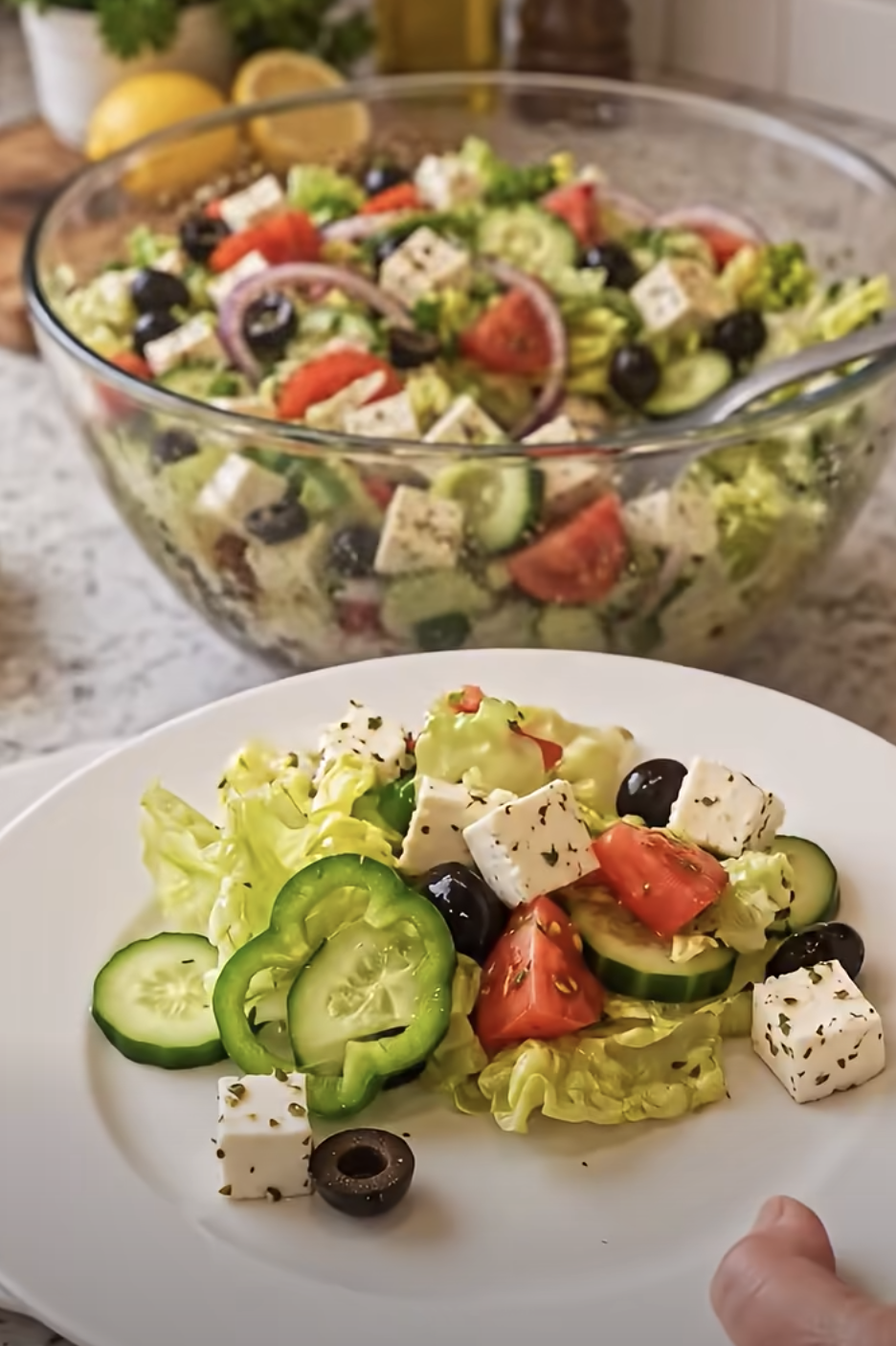
Light and Fresh Mediterranean Salad combines crisp lettuce, juicy tomatoes, crunchy cucumbers, colorful bell peppers, briny Kalamata olives, and creamy feta cheese with a bright homemade lemon-olive oil dressing. This refreshing salad delivers vibrant Mediterranean-inspired flavors in every bite.
With just 15 minutes of preparation and no cooking required, this easy Mediterranean salad makes a wonderful choice for busy weekdays, family dinners, summer gatherings, and healthy lunches.
Ingredients
Equipment
Method
- Wash and thoroughly dry the iceberg or romaine lettuce. Chop it into bite-sized pieces and place it in a large serving bowl.
- Slice or dice the cucumbers, halve the cherry tomatoes, slice the green bell pepper, and cut the red onion into thin half-moons.
- Add the cucumbers, tomatoes, red onion, bell pepper, Kalamata olives, chopped parsley, and optional fresh mint to the lettuce.
- In a small bowl, combine extra virgin olive oil, fresh lemon juice, Dijon mustard, honey, dried oregano, minced garlic, black pepper, and salt.
- Whisk the dressing vigorously until the ingredients blend into a smooth, lightly thickened mixture.
- Pour the lemon-olive oil dressing over the vegetables and gently toss until everything is lightly and evenly coated.
- Sprinkle the crumbled feta cheese evenly over the top of the salad.
- Garnish with additional fresh herbs if desired and serve immediately while the vegetables remain crisp.
Notes
Fresh parsley, optional mint, and dried oregano add delicious herbal notes. Meanwhile, extra virgin olive oil, fresh lemon juice, Dijon mustard, and garlic create a simple dressing that complements the vegetables beautifully.
Whether you serve Light and Fresh Mediterranean Salad alongside grilled chicken, seafood, or your favorite vegetarian meal, it brings color, freshness, and satisfying flavor to the table.
I started making this kind of Mediterranean salad when I wanted a quick lunch that felt fresh but still had plenty of flavor. One afternoon, I had cucumbers, tomatoes, lettuce, and a small container of feta in the refrigerator. I added Kalamata olives, thinly sliced red onion, and a simple lemon dressing. The combination immediately became one of my favorite ways to enjoy fresh vegetables. The cucumber added crunch, the tomatoes brought sweetness, and the feta gave every bite a creamy, salty finish. Since then, I’ve loved preparing this salad for family dinners, warm-weather lunches, and casual gatherings.
Why You’ll Love This Light and Fresh Mediterranean Salad
Fresh Ingredients and Delicious Mediterranean Flavors
One of the best things about Light and Fresh Mediterranean Salad is its balance of fresh textures and bold flavors.
Crisp lettuce provides a refreshing foundation, while cucumbers add a satisfying crunch.
Cherry tomatoes contribute juicy sweetness, and green bell pepper introduces a slightly grassy flavor.
Thinly sliced red onion adds a pleasant sharpness that balances the other vegetables.
Kalamata olives bring a rich, briny taste that gives the salad its distinctive Mediterranean character.
Meanwhile, crumbled feta cheese adds a creamy texture and a salty, tangy finish.
Fresh parsley brightens the vegetables, while optional mint introduces a cooling herbal note.
The lemon-olive oil dressing brings everything together.
Extra virgin olive oil creates a smooth base, while fresh lemon juice adds lively acidity.
Dijon mustard helps the dressing blend and contributes a gentle tang. Honey softens the sharpness of the lemon, and dried oregano adds familiar Mediterranean flavor.
Garlic and black pepper complete the dressing with subtle savory notes.
Together, these ingredients create a salad that tastes refreshing without feeling bland.
The colorful combination also makes a beautiful presentation. Green lettuce, red tomatoes, purple onion, dark olives, and white feta create an inviting contrast.
Quick, Versatile, and Perfect for Everyday Meals
Another reason to love Light and Fresh Mediterranean Salad is its convenience.
You don’t need an oven, stovetop, or complicated cooking equipment.
In fact, a sharp knife, cutting board, large mixing bowl, and small whisk are enough.
The entire recipe takes approximately 15 minutes to prepare.
First, wash and chop the vegetables. Next, whisk together the dressing ingredients. Finally, toss the salad and sprinkle feta over the top.
Because the recipe requires no cooking, it works especially well during warm weather.
Additionally, you can prepare most of the ingredients ahead of time.
Keep the vegetables and dressing separate until serving to maintain the best texture.
The recipe also serves six, making it suitable for family dinners and small gatherings.
For larger parties, simply double the ingredients.
You can customize the salad according to your preferences. For example, add chickpeas for extra protein, increase the olives for a stronger briny flavor, or include more fresh herbs.
You can also serve the salad as a light lunch or pair it with a main dish for a more substantial meal.
Its flexibility makes it a useful recipe to keep in your regular meal rotation.
Choosing the Best Ingredients for Light and Fresh Mediterranean Salad
Crisp Lettuce, Juicy Tomatoes, and Fresh Vegetables
Fresh vegetables make Light and Fresh Mediterranean Salad especially delicious.
Start with one medium head of iceberg or romaine lettuce.
Iceberg lettuce provides a crisp, refreshing crunch, while romaine offers a slightly deeper flavor and tender green leaves.
Both varieties work beautifully, so choose whichever you prefer.
Look for lettuce with firm leaves and no slimy or heavily browned areas.
Wash the lettuce thoroughly and dry it well before chopping.
Excess water can dilute the dressing and prevent it from coating the vegetables evenly.
Next, choose two large cucumbers.
English cucumbers work particularly well because they have thin skins and relatively few seeds.
However, regular cucumbers also work. Peel them if their skins feel tough or taste bitter.
Slice or dice the cucumbers into bite-sized pieces.
Cherry tomatoes add sweetness and bright color. Choose firm, ripe tomatoes with smooth skins.
Cut them in half so their juices blend naturally with the dressing.
Green bell pepper contributes another layer of crunch.
Remove the seeds and white membranes, then slice the pepper into thin strips.
Finally, prepare the red onion.
Thin half-moon slices distribute the onion flavor throughout the salad without creating overly strong bites.
If you prefer milder onion, soak the slices in cold water for five minutes before draining.
Kalamata Olives, Feta, Herbs, and Lemon Dressing
The remaining ingredients give Light and Fresh Mediterranean Salad its signature Mediterranean-inspired flavor.
Kalamata olives contribute a bold, savory taste with a pleasant briny finish.
Choose pitted olives for convenience and easier eating.
Feta cheese adds creaminess and tanginess. Traditional feta made with sheep’s milk or a sheep-and-goat milk blend offers a distinctive flavor.
However, cow’s milk feta also works.
Crumble the cheese into small pieces so it distributes evenly across the salad.
Fresh parsley adds brightness, while mint provides an optional cooling note.
For the dressing, choose good-quality extra virgin olive oil.
Its fruity flavor complements the fresh vegetables and salty feta.
Fresh lemon juice creates a bright, tangy base.
Dijon mustard helps combine the oil and lemon juice while adding subtle depth.
Honey balances the acidity, although you can reduce or omit it if you prefer a sharper dressing.
Dried oregano provides classic Mediterranean flavor.
Freshly minced garlic adds a savory note, and black pepper brings gentle warmth.
Use salt carefully because the feta and olives already contain sodium.
Whisk the dressing until it looks evenly combined.
Then taste it before pouring it over the salad.
If you want more brightness, add another small squeeze of lemon juice.
How to Make Light and Fresh Mediterranean Salad Perfectly
Preparing the Vegetables and Homemade Dressing
Making Light and Fresh Mediterranean Salad is simple, but a few preparation details can improve the final result.
First, wash the lettuce, cucumbers, tomatoes, bell pepper, parsley, and optional mint.
Dry the lettuce thoroughly with a salad spinner or clean kitchen towel.
Next, chop the lettuce into bite-sized pieces and place it in a large mixing bowl.
Slice or dice the cucumbers, depending on your preferred presentation.
Cut the cherry tomatoes in half.
Then slice the green bell pepper into thin strips and the red onion into half-moons.
If the onion tastes particularly sharp, soak the slices briefly in cold water.
Drain them thoroughly before adding them to the bowl.
Next, prepare the Kalamata olives.
You can leave small olives whole or slice larger ones in half.
Chop the parsley and optional mint.
Add the cucumbers, tomatoes, bell pepper, red onion, olives, and herbs to the lettuce.
Gently toss the vegetables to distribute them evenly.
In a separate small bowl, combine extra virgin olive oil, fresh lemon juice, Dijon mustard, honey, dried oregano, minced garlic, black pepper, and salt.
Whisk vigorously until the dressing becomes slightly thick and evenly blended.
Taste and adjust the seasoning as needed.
Tossing, Garnishing, and Serving for the Best Flavor
Once you prepare the vegetables and dressing, the final assembly takes only a few minutes.
Pour the lemon-olive oil dressing over the salad.
Start with about three-quarters of the dressing if you prefer a lighter coating.
Using two large spoons or salad tongs, gently toss the ingredients.
Continue until the vegetables have a light, even coating.
Avoid mixing too aggressively because delicate lettuce can bruise and tomatoes may break apart.
Next, sprinkle the crumbled feta cheese over the top.
Adding the feta after tossing helps preserve its texture and keeps the salad looking attractive.
If you prefer, finish with a little extra chopped parsley or mint.
For additional brightness, squeeze a small amount of fresh lemon juice over the finished salad.
Serve immediately.
The lettuce and cucumbers taste best when they remain crisp, and the dressing provides the freshest flavor shortly after mixing.
If you need to prepare the salad ahead of time, keep the dressing separate.
Store the chopped vegetables in the refrigerator and add the dressing just before serving.
Also, wait until the final step to add the feta.
This approach helps prevent the lettuce from becoming soggy and keeps the cheese from breaking down during mixing.
Serving Ideas, Variations, and Storage Tips
Delicious Ways to Serve This Mediterranean Salad
Light and Fresh Mediterranean Salad pairs beautifully with many main dishes.
Its bright lemon dressing and crisp vegetables make it especially delicious alongside grilled foods.
For example, serve it with grilled chicken breasts, lemon-herb chicken skewers, or roasted chicken thighs.
The tangy dressing complements savory seasonings, while the fresh vegetables provide a refreshing contrast.
Seafood also pairs wonderfully with this salad.
Try it alongside grilled shrimp, baked salmon, lemon-seasoned cod, or Mediterranean-style fish.
For vegetarian meals, serve the salad with grilled halloumi, roasted chickpeas, or baked falafel.
You can also pair it with hummus and warm pita bread for a satisfying Mediterranean-inspired lunch.
For a heartier meal, add cooked quinoa, couscous, or bulgur wheat.
These grains complement the lemon dressing and make the salad more filling.
During summer gatherings, serve the salad in a large shallow bowl or on a wide platter.
Arrange the vegetables evenly and scatter feta over the top for a colorful presentation.
You can also serve the dressing separately, allowing guests to choose their preferred amount.
Because this recipe makes six servings, it works well for family dinners, picnics, and casual entertaining.
Easy Variations and How to Store Leftovers
One of the advantages of Light and Fresh Mediterranean Salad is its flexibility.
For extra protein, add drained chickpeas or white beans.
If you enjoy a richer flavor, increase the feta slightly or add diced avocado.
For a more traditional Greek-inspired variation, omit the lettuce and focus on cucumber, tomatoes, bell pepper, red onion, olives, and feta.
You can also add sliced radishes for extra crunch.
If you prefer a sweeter flavor, include diced yellow or orange bell pepper.
For a stronger herbal note, add extra parsley, mint, or fresh oregano.
To make the dressing vegan, replace honey with maple syrup and omit the feta or use a suitable plant-based alternative.
If you want a heartier salad, mix in cooked, cooled pasta or quinoa.
For storage, keep the salad ingredients in separate airtight containers whenever possible.
Store the vegetables and feta in the refrigerator at 40°F or below.
Keep the dressing in a sealed jar and shake it before use.
For the best texture, enjoy the fully dressed salad immediately.
If you have leftovers, refrigerate them promptly and try to enjoy them within 24 hours.
The lettuce gradually softens after contact with the dressing, while the tomatoes release additional moisture.
Avoid freezing this salad because fresh lettuce, cucumbers, and tomatoes lose their original texture after thawing.
Ingredients
Servings: 6 | Prep time: 15 minutes | Cook time: 0 minutes | Total time: 15 minutes
For the salad:
- 1 medium head iceberg or romaine lettuce, approximately 300 g (10–11 oz), chopped
- 1 medium red onion, thinly sliced into half-moons
- 2 large cucumbers, sliced or diced
- 2 cups cherry tomatoes, halved
- 1 medium green bell pepper, sliced
- 1/2 cup Kalamata olives, pitted
- 3/4 cup feta cheese, crumbled
- 1/4 cup fresh parsley, chopped
- 2 tablespoons fresh mint, chopped (optional)
For the lemon-olive oil dressing:
- 1/4 cup extra virgin olive oil
- 3 tablespoons fresh lemon juice
- 1 teaspoon Dijon mustard
- 1 teaspoon honey
- 1/2 teaspoon dried oregano
- 1 small garlic clove, minced
- 1/4 teaspoon freshly ground black pepper
- 1/4 teaspoon salt, or to taste
Instructions
- Prepare the lettuce. Wash and thoroughly dry the iceberg or romaine lettuce. Chop it into bite-sized pieces and place it in a large salad bowl.
- Prepare the vegetables. Slice or dice the cucumbers, halve the cherry tomatoes, slice the green bell pepper, and cut the red onion into thin half-moons.
- Add the salad ingredients. Combine the lettuce, cucumbers, tomatoes, red onion, bell pepper, Kalamata olives, chopped parsley, and optional mint in the large bowl.
- Prepare the dressing. In a separate small bowl, combine extra virgin olive oil, fresh lemon juice, Dijon mustard, honey, dried oregano, minced garlic, black pepper, and salt.
- Whisk until combined. Mix the dressing vigorously until the ingredients blend into a smooth, lightly thickened mixture.
- Dress the salad. Pour the lemon-olive oil dressing over the vegetables. Gently toss until everything has a light, even coating.
- Add the feta. Sprinkle the crumbled feta cheese evenly over the salad.
- Serve immediately. Garnish with additional fresh herbs if desired and enjoy while the lettuce and vegetables remain crisp.
Frequently Asked Questions
1. Can I make Light and Fresh Mediterranean Salad ahead of time?
Yes. You can wash and chop the vegetables several hours in advance. However, store the lettuce, vegetables, feta, and dressing separately in the refrigerator. Combine everything shortly before serving to preserve the crisp texture. Add the feta last for the most attractive presentation.
2. What is the best lettuce for Mediterranean salad?
Romaine and iceberg lettuce both work beautifully. Romaine provides crisp ribs and tender green leaves, while iceberg offers a particularly refreshing crunch. Choose fresh, firm lettuce and dry it thoroughly after washing. For a Greek-style variation, you can omit the lettuce entirely.
3. Can I make Mediterranean salad without feta cheese?
Absolutely. You can omit feta cheese for a lighter, dairy-free version. Alternatively, use a plant-based feta substitute or add avocado for extra creaminess. The cucumbers, tomatoes, olives, herbs, and lemon dressing still provide plenty of delicious flavor.
4. How long does Mediterranean salad last in the refrigerator?
For the best quality, enjoy a fully dressed Mediterranean salad within 24 hours. Store it in an airtight container at 40°F or below. Undressed vegetables generally maintain their texture longer, especially when you store the lettuce separately. Always discard ingredients that develop an unusual smell, slimy texture, or other signs of spoilage.
5. What protein can I add to Light and Fresh Mediterranean Salad?
Grilled chicken, shrimp, salmon, chickpeas, white beans, and grilled tofu all make excellent additions. Chicken and seafood provide savory flavor, while chickpeas and beans create satisfying vegetarian options. Add your preferred protein just before serving to turn this refreshing side dish into a more substantial meal.
Conclusion
Light and Fresh Mediterranean Salad brings together crisp vegetables, briny olives, creamy feta, and a bright lemon-olive oil dressing in one colorful, refreshing dish.
The combination of crunchy lettuce, juicy tomatoes, fresh cucumbers, red onion, and herbs creates a delicious balance of flavors and textures.
With just 15 minutes of preparation and no cooking required, this easy salad fits perfectly into busy weekdays, summer gatherings, family dinners, and healthy lunches.
You can also customize it with chickpeas, grilled chicken, quinoa, additional herbs, or your favorite Mediterranean-inspired ingredients.
Whether you serve it as a light meal or alongside grilled seafood, chicken, or vegetarian dishes, Light and Fresh Mediterranean Salad offers a simple and delicious way to enjoy fresh produce.
Prepare a bowl whenever you want something colorful, crisp, and full of bright Mediterranean flavor.