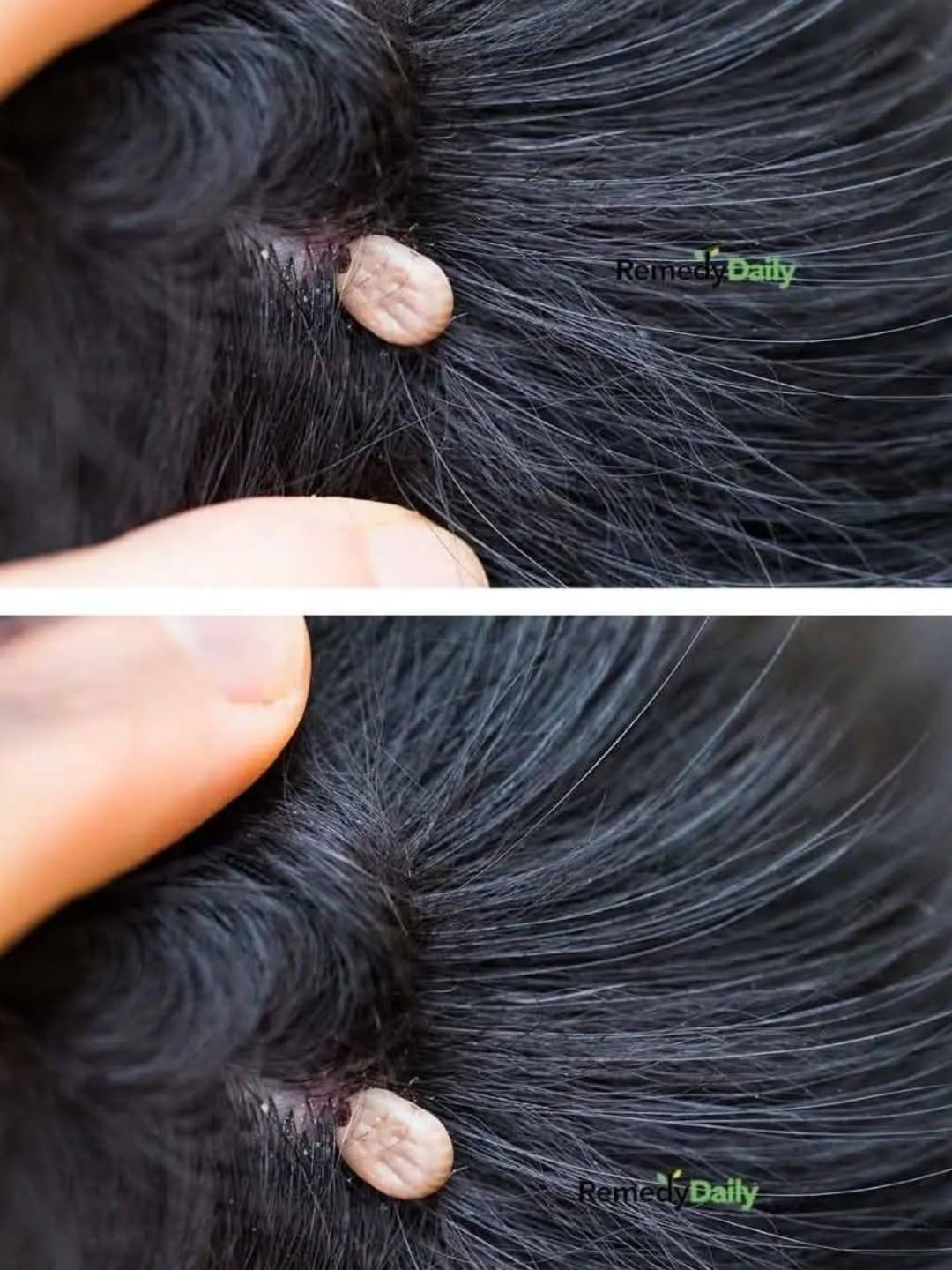
Just Discovered This in My Son’s Hair can be an unsettling thought when you notice something tiny, pale, or firmly attached to a strand. Parents often wonder whether they are looking at dandruff, dried hair product, lint, a harmless skin flake, or the eggs of head lice.
The most useful clue is how firmly the speck attaches to the hair. Dandruff and loose debris usually slide or brush away. Head-lice eggs, called nits, attach firmly to individual hair shafts and often appear close to the scalp, especially behind the ears and along the back of the neck. The CDC recommends checking those areas carefully under bright light.
Head lice are common among school-aged children. They are unpleasant, but they do not mean a child has poor hygiene, and they generally do not cause serious illness.
I once noticed several pale specks near a child’s hairline while helping with brushing after a busy school week. My first thought was lice, so I started inspecting every strand and imagining an enormous household problem. However, several specks brushed away immediately, which suggested ordinary scalp flakes. One stubborn oval stayed attached, so I checked behind the ears and at the nape of the neck under brighter light. That careful inspection made the situation much clearer. The experience taught me not to diagnose a scalp problem from one mysterious speck. Instead, checking how it attaches, where it sits, and whether any live insects appear gives much more useful information.
What You May Have Found in Your Child’s Hair
Not everything white in a child’s hair is a nit. In fact, several harmless substances can look surprisingly similar at first glance.
How to Tell Nits From Dandruff and Debris
Head-lice eggs are tiny and can look white, tan, or yellowish-brown. They attach to the side of a hair shaft rather than sitting loosely on the scalp.
That attachment provides one of the easiest practical clues.
According to CDC guidance, dandruff tends to pull or flick off easily, while nits remain attached to the hair. Nits are often found within about one-quarter inch of the scalp, where warmth supports development.
Start your inspection in bright light.
Then divide the hair into small sections so you can see the scalp clearly.
Look especially behind both ears and along the hairline at the nape of the neck. These areas commonly harbor lice and nits.
Dandruff usually appears as irregular flakes rather than neat oval structures. Additionally, it may collect on the scalp, shoulders, or multiple strands instead of remaining cemented to one specific hair.
Hair spray, dry shampoo, styling creams, lint, and dried skin can also leave pale material in the hair.
Therefore, avoid treating a child for lice based only on color.
Instead, ask three questions: Does it slide off? Does it sit close to the scalp? Can you find any moving insects?
Those clues provide a much more reliable picture.
What Live Head Lice Look Like
Adult head lice are small insects, roughly 2 to 3 millimeters long, or about the size of a sesame seed. Their color can vary, although they often appear grayish or pale.
They crawl quickly through hair, which can make them difficult to spot.
Unlike fleas, lice do not jump. They also cannot fly. Instead, they move by crawling and spread mainly through close, prolonged head-to-head contact.
A magnifying glass and good lighting can make an inspection easier.
Part the hair in several areas, then watch the scalp and hair shafts for movement.
You may see scratching before you see a louse. Itching is one of the most common symptoms, particularly behind the ears and near the back of the neck. However, itching can take several weeks to develop after an initial infestation.
Therefore, the absence of itching does not completely rule out head lice.
Likewise, itching alone does not prove lice because dry skin, eczema, product irritation, and other scalp conditions can also cause itching.
Just Discovered This in My Son’s Hair should therefore lead to careful observation rather than an immediate assumption.
What to Do If You Suspect Head Lice
Once you find something that looks like a nit, confirm as much as possible before beginning treatment.
Unnecessary lice treatment can irritate the scalp and expose a child to medication they do not need.
Check the Hair Carefully Before Treating
Begin by checking the entire scalp in good light.
Focus on the crown, hairline, bangs, behind the ears, and the nape of the neck. The CDC specifically recommends inspecting these areas while separating the hair into clear parts.
If you find a white speck, try sliding it along the hair shaft with your fingernails.
Loose flakes usually move.
A true nit tends to remain firmly attached.
Next, look for live crawling lice.
Finding a live louse provides stronger evidence of an active infestation than finding one questionable speck.
The American Academy of Pediatrics advises confirming that live lice are present before using head-lice medication and recommends discussing treatment with a child’s doctor.
If you remain unsure, a pediatrician, school nurse, pharmacist, or another qualified healthcare professional can often help identify what you are seeing.
Avoid using pesticide products “just in case.”
Likewise, do not apply essential oils, household insecticides, kerosene, gasoline, pet flea products, or other improvised treatments.
The American Academy of Pediatrics specifically warns against dangerous substances such as gasoline and kerosene for head lice.
Confirmation should come first.
Treatment should come second.
If Lice Are Confirmed
Several over-the-counter and prescription head-lice treatments exist.
Which option makes sense depends on the child’s age, local resistance patterns, previous treatment, and medical history.
Therefore, follow the product instructions exactly and seek pediatric guidance when needed.
After treatment, combing the hair with a fine-toothed nit comb every few days can help remove lice and eggs. The American Academy of Pediatrics notes that combing every two to three days for several weeks may help after treatment.
Some products require a second treatment several days later because they may not kill every egg.
Never use more medicine than the label recommends.
More product does not mean better results.
Additionally, do not combine different lice medicines unless a healthcare professional specifically instructs you to do so.
Children should not apply the medication themselves.
The American Academy of Pediatrics also advises rinsing treatment over a sink rather than allowing it to run over the entire body in a bath or shower.
Most importantly, remember that treatment failure does not mean the child is dirty.
Head lice can affect anyone.
Does the Whole House Need Deep Cleaning?
Finding lice often triggers a second worry: whether every blanket, couch cushion, stuffed animal, and carpet needs aggressive treatment.
Fortunately, household cleaning usually requires much less effort than many people assume.
Focus on Items With Recent Head Contact
Head lice live primarily on the scalp and depend on humans for survival.
Therefore, the main treatment target is the person’s hair, not the entire house.
The American Academy of Pediatrics explains that head lice mainly spread through direct head-to-head contact. Sharing brushes, hats, or similar belongings may occasionally contribute, but that route appears much less common.
Wash pillowcases, sheets, recently worn hats, and clothing that had close head contact according to appropriate laundering instructions.
Clean combs and brushes as directed by reliable healthcare guidance or the treatment product.
Vacuuming places where the child rests can also provide reasonable cleanup.
However, spraying furniture or the home with insecticide is generally unnecessary.
Avoid fumigating bedrooms, mattresses, carpets, or vehicles.
That approach creates avoidable chemical exposure without addressing the primary source of infestation.
It also helps to check household members who have had close head-to-head contact.
However, do not automatically treat everyone with lice medication if you find no evidence of infestation.
What About School and Other Children?
Head lice spread most easily when children have prolonged head-to-head contact.
Therefore, siblings and close contacts deserve particular attention.
Check their hair using the same careful method.
Also remind children to avoid sharing combs, brushes, hats, hair accessories, and similar items.
However, parents should avoid shame or blame.
Head lice have nothing to do with whether a child bathes regularly or whether a household is clean.
The American Academy of Pediatrics notes that lice occur worldwide and can affect people regardless of cleanliness or socioeconomic circumstances.
That point matters because embarrassment can make children reluctant to tell adults when their scalp itches.
Instead, treat lice the same way you would handle any common childhood nuisance.
Stay practical.
Address the infestation.
Then move on.
Just Discovered This in My Son’s Hair does not need to become a source of stigma.
When You Should Contact a Doctor
Many confirmed cases of head lice can be managed at home with appropriate treatment.
However, certain circumstances deserve professional evaluation.
Signs That Need Medical Advice
Contact a pediatrician if you cannot determine whether the material in the hair is actually lice or nits.
HealthyChildren advises contacting a doctor when parents remain unsure about the diagnosis, when lice or nits appear after treatment, or when scalp itching or rash persists.
You should also seek medical advice if the scalp develops open sores, pus, spreading redness, significant swelling, or other signs of possible infection.
Repeated scratching can occasionally damage the skin.
A healthcare professional can determine whether a secondary bacterial infection requires treatment.
Children who are very young may also require special consideration because not every lice treatment is approved for every age group.
Additionally, call a healthcare professional if properly used treatment repeatedly fails.
The problem may involve resistance, incorrect identification, reinfestation, or an alternative scalp condition.
Do not keep applying stronger or more frequent doses on your own.
That approach can increase side effects without solving the real issue.
When It May Be Something Other Than Lice
Not every persistent scalp problem comes from insects.
Seborrheic dermatitis can create flaky scalp material.
Eczema can cause itching and inflammation.
Hair products can leave residue.
Psoriasis, fungal infections, and contact dermatitis can also affect the scalp.
Therefore, if the appearance does not match typical lice or symptoms persist despite appropriate care, seek an evaluation.
A clinician can examine the scalp closely and determine whether another condition better explains the symptoms.
Also pay attention to hair loss, painful lesions, extensive crusting, swollen lymph nodes, fever, or significant tenderness.
Those features do not fit a simple case of uncomplicated head lice as neatly and deserve proper assessment.
Just Discovered This in My Son’s Hair becomes much easier to handle when you focus on identifying the actual cause rather than treating every white speck as lice.
Frequently Asked Questions
How can I tell if a white speck is a nit or dandruff?
Try gently sliding or flicking the speck off the hair. Dandruff and loose debris usually come away easily. Nits remain firmly attached to the hair shaft and often sit close to the scalp, particularly behind the ears and along the back of the neck.
Does having head lice mean my child has poor hygiene?
No. Head lice can affect anyone, and cleanliness does not determine who gets them. They commonly occur among school-aged children because close head-to-head contact makes transmission easier.
Do head lice jump from one child to another?
No. Head lice crawl; they do not jump, hop, or fly. They spread mainly through close, prolonged head-to-head contact.
Should I treat my child if I find only one white speck?
Do not rush into treatment based on one uncertain speck. Examine the scalp carefully and look for firmly attached nits or live lice. The American Academy of Pediatrics recommends using head-lice medicine when live lice have been confirmed and consulting the child’s doctor about treatment.
When should I take my child to the doctor?
Seek medical advice if you cannot confirm the diagnosis, if treatment repeatedly fails, if new lice appear after treatment, or if the scalp develops spreading sores, pus, significant irritation, or persistent itching.
Conclusion
Just Discovered This in My Son’s Hair can lead to a lot of worry, but one small white speck does not automatically mean head lice.
Start by looking closely.
Dandruff and product residue usually move or brush away, while nits attach firmly to individual hair shafts. Look near the scalp, particularly behind the ears and along the back of the neck. Then check carefully for moving lice.
If you confirm lice, follow an age-appropriate treatment plan and the product directions exactly. Avoid dangerous homemade treatments, excessive pesticide use, and unnecessary whole-house spraying.
Most importantly, keep the situation in perspective.
Head lice are common among children. They are inconvenient, but they do not reflect poor hygiene or bad parenting, and they generally do not cause serious illness.
If you cannot determine what you found, or if the scalp looks infected or symptoms persist after treatment, contact your child’s healthcare professional.
Careful identification is the first step.
Once you know what you are actually seeing, the next decision becomes much simpler.