How to Make French Toast Perfectly is a skill every home cook should have. Golden on the outside, soft and creamy on the inside, and filled with warm vanilla flavor, great French toast feels comforting without being complicated. With the right bread, proper heat, and a simple custard, you can avoid soggy centers and bland results every single time.
This guide on How to Make French Toast Perfectly breaks the process down into easy, repeatable steps. Whether you cook breakfast for yourself or a full table, this method delivers consistent results. Because French toast uses basic pantry ingredients, it remains one of the most practical and satisfying breakfasts you can make.
Why French Toast Goes Wrong (and How to Fix It)
The Most Common French Toast Mistakes
Many people struggle with French toast because of small but important missteps. Using thin or fresh bread often leads to sogginess. Cooking over high heat causes burnt outsides with raw centers. Over-soaking the bread creates a heavy texture that never cooks through properly.
How to Make French Toast Perfectly starts with avoiding these mistakes. Thick bread gives structure. Medium heat allows even cooking. A quick dip instead of a long soak keeps the custard balanced. When these details line up, French toast turns out golden, tender, and flavorful.
Why Technique Matters More Than Ingredients
Although the ingredient list stays short, technique makes all the difference. Eggs, milk, and bread alone do not guarantee success. The way you combine them, the temperature of the pan, and the timing of each step determine the final texture.
Because French toast cooks quickly, attention matters. Once you understand the method, however, the process becomes automatic. That is why learning How to Make French Toast Perfectly pays off again and again.
Choosing the Best Bread for French Toast
Thick, Slightly Stale Bread Works Best
Bread choice plays a major role in French toast quality. Brioche, challah, and Texas toast work especially well because they are thick and sturdy. Slightly stale bread absorbs custard evenly without collapsing.
Fresh bread often turns mushy because it absorbs liquid too quickly. Stale bread, on the other hand, holds its shape. If your bread is fresh, leaving it out for a few hours helps dry it slightly. This small step improves texture dramatically.
Why Thickness Matters
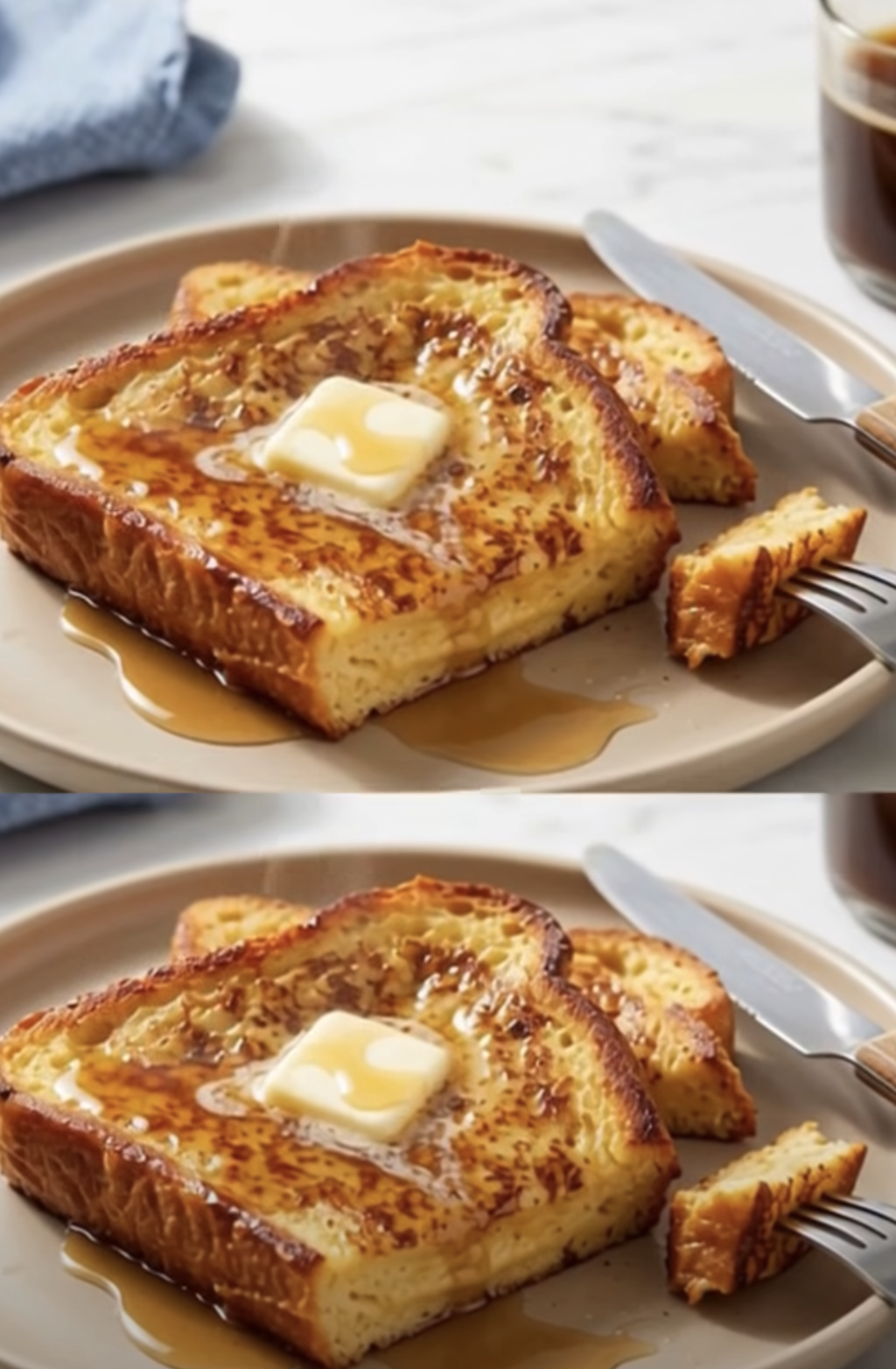
Thin slices cook too fast and dry out. Thick slices allow the custard to set inside while the outside browns. When learning How to Make French Toast Perfectly, always aim for slices at least three-quarters of an inch thick.
Thickness also improves flavor distribution. The custard penetrates just enough to create a creamy center without leaking into the pan.
Ingredients
Equipment
Method
- Whisk eggs, milk, vanilla, cinnamon, and salt in a shallow bowl.
- Dip bread briefly on both sides until coated but not soaked.
- Heat butter in a skillet over medium heat.
- Cook bread 2–3 minutes per side until golden brown.
- Serve immediately with desired toppings.
Notes
Building the Perfect French Toast Custard
Balancing Eggs and Milk
The custard defines the flavor and texture of French toast. Eggs provide structure, while milk or cream adds richness. Too many eggs create a scrambled texture. Too much milk leads to sogginess.
This recipe strikes the right balance. Whisking thoroughly ensures a smooth custard that coats evenly. Adding a pinch of salt sharpens flavor, while vanilla brings warmth.
Optional Flavor Boosters
Cinnamon adds warmth without overpowering. Nutmeg also works well in small amounts. However, restraint matters. French toast should taste rich and comforting, not spiced like dessert.
Once you master How to Make French Toast Perfectly, you can customize the custard easily while keeping the base method intact.
Cooking French Toast the Right Way
Dip, Don’t Soak
One of the most important steps in How to Make French Toast Perfectly is controlling moisture. Dip each slice for just a few seconds per side. The surface should look coated, not dripping.
Excess liquid leads to uneven cooking. A quick dip allows the custard to cling without saturating the bread. This step alone prevents soggy results.
Low and Steady Heat Wins
Medium heat works best. Butter should melt gently without browning instantly. When the pan stays too hot, the outside burns before the center sets.
Cook each slice for two to three minutes per side. Look for a golden crust before flipping. Patience here creates that perfect contrast between crisp edges and soft centers.
Serving French Toast at Its Best
Timing Matters
French toast tastes best straight from the skillet. As it sits, steam softens the crust. Serving immediately preserves texture and flavor.
If cooking multiple batches, keep finished slices warm in a low oven rather than stacking them on a plate. This approach keeps them crisp while you finish cooking.
Classic and Creative Toppings
Maple syrup remains a classic choice. Powdered sugar adds light sweetness. Fresh fruit balances richness. Butter enhances flavor without overwhelming.
Because French toast stays neutral, toppings allow endless variation. Once you know How to Make French Toast Perfectly, toppings become the fun part.
A Short Personal Story About French Toast
French toast often showed up on mornings when time slowed down just enough. The smell of butter warming in a pan signaled something comforting ahead. Bread soaked quickly, cooked gently, and landed on plates still steaming. Conversations lingered longer when breakfast felt simple yet special. Over time, learning How to Make French Toast Perfectly turned those mornings into a reliable ritual. It was never fancy, but it always delivered warmth and familiarity.
Tips That Guarantee Perfect Results
Keep the Pan Clean Between Batches
Burnt butter leaves bitter flavors. Wipe the pan between batches and add fresh butter. This step keeps every slice tasting clean and golden.
Avoid Crowding
Crowding lowers pan temperature and traps steam. Cook in batches if needed. Space ensures even browning and crisp edges.
Adjust Heat as Needed
Every stove behaves differently. If browning happens too fast, lower the heat slightly. Consistent temperature keeps French toast balanced.
Frequently Asked Questions
What milk works best for French toast?
Whole milk or cream creates richer texture, but any milk works.
Can I make French toast ahead of time?
Fresh is best, but leftovers reheat well in a skillet or toaster oven.
Why is my French toast soggy?
Too much soaking or low pan heat usually causes sogginess.
Can I skip cinnamon?
Yes, cinnamon is optional and not required for good flavor.
What bread should I avoid?
Very thin or soft sandwich bread often falls apart.
Conclusion
Learning How to Make French Toast Perfectly transforms a simple breakfast into something dependable and satisfying. With the right bread, balanced custard, and proper heat, every slice turns out golden, tender, and full of flavor. This method removes guesswork and delivers consistent results, making French toast a recipe you can rely on any day of the week.