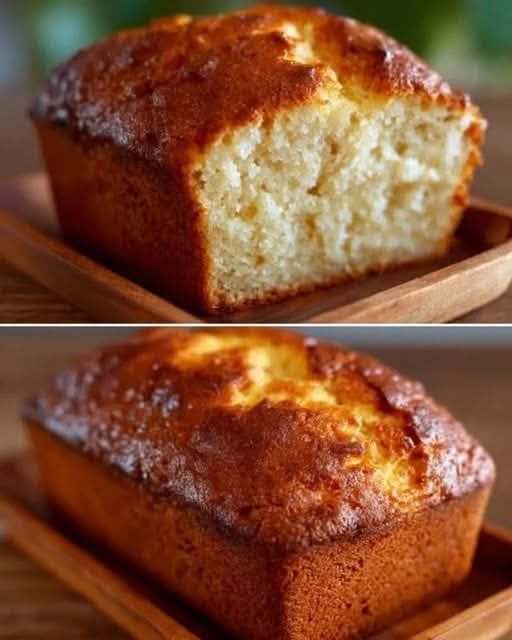
Homemade Soft Bread Rolls are one of the most comforting and rewarding recipes you can bake at home. These warm, fluffy rolls come out soft on the inside with a lightly golden exterior that tastes incredible fresh from the oven with melted butter. The texture feels airy and tender, making every bite taste even better than bakery-style bread.
Nothing compares to the smell of freshly baked bread filling the kitchen while the dough rises and turns beautifully golden in the oven. These homemade bread rolls work perfectly for family dinners, holidays, sandwiches, or simple snacks with butter and jam. Because the ingredients stay simple and affordable, this recipe quickly becomes a favorite for beginner and experienced bakers alike.
I first started making homemade soft bread rolls during a rainy weekend when everyone wanted something warm and comforting with dinner. As the dough baked, the entire kitchen filled with the rich smell of fresh bread and melted butter. By the time the rolls reached the table, people were already pulling them apart before the meal even started. Since then, these rolls have become a regular part of family gatherings and cozy homemade dinners.
Ingredients
Equipment
Method
- Combine warm milk, warm water, sugar, and yeast in a large bowl.
- Allow yeast mixture to sit until foamy.
- Add melted butter, salt, and gradually mix in flour.
- Knead dough until smooth and elastic.
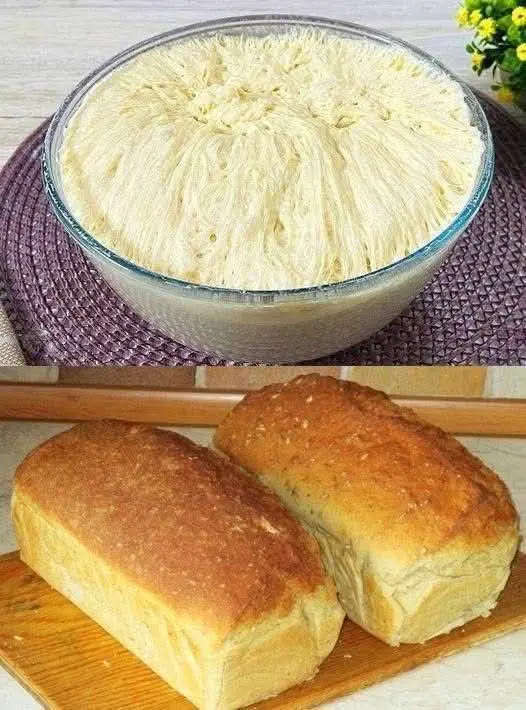
- Cover dough and allow it to rise until doubled in size.
- Shape dough into rolls and place in a greased baking dish.
- Allow rolls to rise again before baking at 375 degrees Fahrenheit for 18 to 22 minutes.
- Brush warm rolls with melted butter before serving.
Notes
Why Homemade Bread Rolls Taste Better
Soft Texture and Fresh Flavor
One reason homemade soft bread rolls taste so special is their fresh texture. Unlike store-bought bread, freshly baked rolls remain soft, fluffy, and warm straight from the oven.
The combination of warm milk, yeast, and butter creates tender dough that rises beautifully while baking. Because the dough contains enough moisture, the rolls stay soft for hours after baking.
Fresh butter brushed over the tops immediately after baking also adds rich flavor and helps create the classic bakery-style finish.
Another advantage of homemade bread is the freshness. Warm bread with melted butter simply delivers flavor and texture that packaged bread cannot match.
Beginner-Friendly Baking Recipe
Although bread baking may seem difficult at first, this recipe keeps the process simple and approachable.
The dough uses basic pantry ingredients and straightforward steps that beginners can follow comfortably. In addition, the dough remains forgiving, making it easier to work with even if you have limited baking experience.
Because the recipe creates versatile dinner rolls, the bread works for many meals and occasions.
These homemade rolls also freeze very well, allowing you to prepare extra batches ahead of time.
Ingredients That Create Fluffy Bread Rolls
Yeast and Warm Liquids
Active dry yeast helps the dough rise and creates soft airy texture inside the bread rolls.
Warm milk and warm water activate the yeast while also helping develop tender dough. The milk adds richness and slightly softer texture compared to water-only dough.
Sugar feeds the yeast during rising and also adds subtle sweetness to balance the flavor.
For best results, the liquids should feel warm but not hot. Excessive heat can damage the yeast and prevent proper rising.
Flour and Butter
All-purpose flour provides structure while still allowing the bread to remain soft and fluffy.
The exact amount of flour may vary slightly depending on humidity and dough consistency. Therefore, adding flour gradually helps prevent dense bread.
Butter improves both flavor and softness. Melted butter inside the dough creates tender texture, while extra butter brushed on top after baking adds rich bakery-style finish.
Salt also balances the flavor while helping strengthen the dough structure during kneading.
Step-By-Step Bread Roll Instructions
Preparing the Dough
Start by combining warm milk, warm water, and sugar in a large mixing bowl.
Sprinkle active dry yeast over the liquid mixture and allow it to sit for about 5 to 10 minutes until foamy.
Next, stir in melted butter and salt.
Gradually add flour one cup at a time while mixing continuously. Once the dough becomes soft and slightly sticky, transfer it onto a lightly floured surface.
Knead the dough for approximately 8 to 10 minutes until smooth and elastic.
Place the dough into a lightly greased bowl, cover, and allow it to rise in a warm place until doubled in size.
Shaping and Baking the Rolls
After the dough rises, punch it down gently to release excess air.
Divide the dough into evenly sized portions and shape each piece into smooth balls.
Arrange the rolls inside a greased baking dish with slight space between them.
Cover the rolls and allow them to rise again for approximately 30 minutes until puffy.
Bake at 375 degrees Fahrenheit for 18 to 22 minutes or until the tops become lightly golden brown.
Immediately brush warm rolls with melted butter before serving.
Best Ways to Serve Homemade Bread Rolls
Dinner and Holiday Meals
These homemade soft bread rolls pair beautifully with many comfort foods and family meals.
Popular serving ideas include:
- Soups
- Roast chicken
- Beef stew
- Pasta dishes
- Holiday dinners
Because the rolls stay soft and fluffy, they work wonderfully for soaking up sauces and gravies.
Fresh herbs or garlic butter can also be added for extra flavor during special occasions.
Breakfast and Snack Ideas
Leftover bread rolls also taste delicious the next morning.
Slice the rolls and spread with:
- Butter
- Jam
- Honey
- Peanut butter
- Cream cheese
Some people even use the rolls for mini sandwiches or breakfast sliders.
Because the texture remains soft, the bread works equally well for sweet and savory combinations.
Helpful Bread Baking Tips
How to Know the Dough Is Ready
Proper kneading helps create soft fluffy bread rolls. The dough should feel smooth, elastic, and slightly tacky without sticking heavily to your hands.
If the dough feels overly sticky, add small amounts of flour gradually.
However, avoid adding too much flour because dense dough can create heavy bread rolls.
Keeping Bread Soft Longer
Store cooled bread rolls in an airtight container or bread bag at room temperature for up to three days.
Brushing butter on top after baking helps maintain softness while also improving flavor.
For longer storage, freeze the rolls inside freezer-safe bags for up to two months.
To reheat, warm briefly inside the oven for fresh bakery-style texture.
Frequently Asked Questions
Can I use instant yeast instead of active dry yeast?
Yes. Instant yeast works well and can usually be mixed directly into the flour.
Why didn’t my dough rise properly?
Inactive yeast or liquids that are too hot can prevent proper rising.
Can I make the dough ahead of time?
Absolutely. Refrigerate the dough overnight after the first rise.
How do I make the rolls extra soft?
Using milk and brushing butter on top helps create softer texture.
Can I freeze baked bread rolls?
Yes. Allow the rolls to cool completely before freezing.
Conclusion
Homemade Soft Bread Rolls deliver warm buttery flavor, fluffy texture, and comforting homemade aroma that easily rivals bakery bread. The simple ingredients and easy preparation create soft golden rolls perfect for family dinners, holidays, sandwiches, or everyday snacks.
Because the recipe stays beginner-friendly and versatile, anyone can enjoy fresh homemade bread without complicated baking techniques. Meanwhile, the rich buttery finish and soft interior make every roll taste fresh, comforting, and satisfying.
Whether served warm beside dinner or enjoyed with butter straight from the oven, these homemade bread rolls bring classic homemade comfort to every table.