
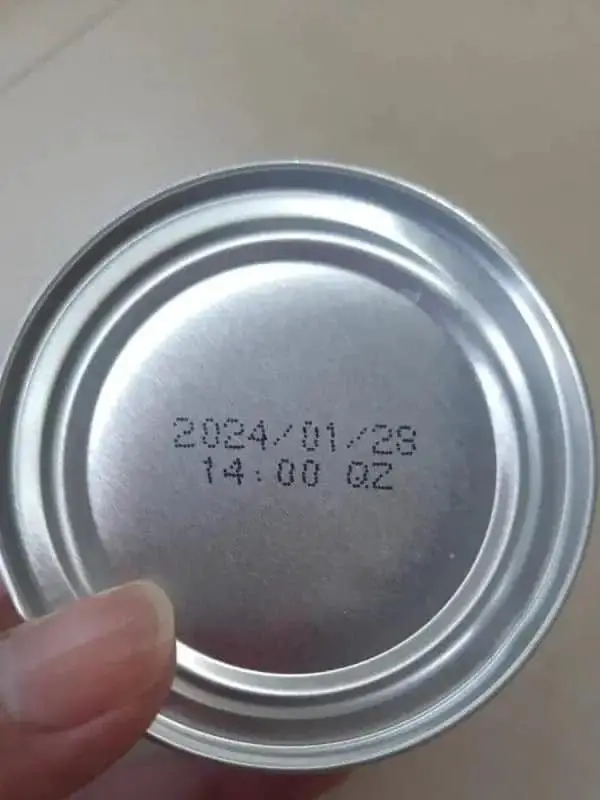
Before we dive into this surprisingly fascinating topic, I want to take a moment to say thank you—yes, YOU! Every time you show up curious, eager to learn, or simply wanting to take better care of your home and kitchen, it fills my heart. It’s this little community we’re building that makes everyday knowledge feel meaningful. And today’s topic? Oh, it’s one that truly helps every household: understanding food expiration dates.
If you’ve ever stared into your fridge holding a yogurt cup with a “use by” date from last week, wondering whether it’s still safe or destined for the trash—you’re not alone. And let me tell you, once you understand what those dates actually mean, your kitchen confidence skyrockets!
💌 Want helpful home guides, natural remedies, and delicious recipes delivered straight to your inbox? Subscribe and never miss a thing!
What This Article Covers
We’ll break down exactly what expiration dates mean, when they matter, when they don’t, and how your senses play an essential role in keeping your food safe while cutting down on waste. Plus, we’ll sprinkle in tips, tools, storage guides, and answers to common questions.
Why You’ll Love This Guide
Because it makes your life easier—plain and simple.
- No more guessing what’s still good
- Less food waste
- More money saved
- Greater confidence in your kitchen
- Better understanding of how food safety actually works
And the best part? Once you understand expiration dates, you’ll cook smarter, shop better, and open your fridge with far less fear of “Is this still okay?”
What Food Expiration Dates Really Mean
Here’s the truth most people don’t know: food expiration dates are about quality—not safety.
Yep. In most cases, the dates exist because manufacturers want you to enjoy the food at peak freshness, not because the item becomes dangerous afterward.
Let’s break down the common labels:
“Best By”
Indicates when the food tastes best.
Not a safety date.
“Sell By”
For stores—not consumers.
It tells retailers how long to display the product.
“Use By”
Quality-based date, not usually a safety cutoff.
Except for baby formula—more on that later.
“Expiration”
Rare in everyday groceries; mostly found on medications or specialty items.
Once you know these meanings, you unlock a whole new world of kitchen confidence!
Reasons to Trust Your Senses
I promised you this article would be practical—and here’s the most practical tool you’ve got: your own senses. Nature designed them beautifully for evaluating food!
👀 Look
- Mold
- Discoloration
- Separation
- Strange textures
- Slimy surface
If it looks strange, it probably is.
👃 Smell
A bad smell rarely lies.
Sour, rancid, sulfur-like, or “off”—no good.
👅 Taste (Only when the food passes the first two tests)
Just a tiny taste.
If it tastes odd, sharp, metallic, or unpleasant—let it go.
Your senses are incredibly reliable. They’ve been helping humans survive for thousands of years. Sometimes they’re even more trustworthy than the printed label!
Why This Knowledge Matters
Because most food waste happens at home—and most of it is unnecessary.
Expiration dates cause confusion and panic, leading families to toss perfectly good food. But the truth is:
- Milk often lasts a week past its date
- Eggs can be good for 4–5 weeks
- Canned goods last years past “best by”
- Dry foods stored correctly have long shelf lives
Imagine opening your pantry without worrying that every date means doom—it’s liberating.
Tools You Need for Smarter Food Storage
Think of these as your kitchen allies:
- A refrigerator thermometer (your fridge must stay at or under 40°F / 4°C)
- Breathable produce bags
- Clear airtight containers
- Freezer-safe bags
- Permanent marker for labeling leftovers
- A simple pantry rotation system
- Freezer labels
These tools save food and sanity!
Possible Additions & Substitutions for Better Food Storage
Want to level up your food-saving game?
- Add baking soda inside your fridge to reduce odors.
- Use glass jars for storing dry goods—they keep moisture and bugs out.
- Swap original packaging of produce for breathable cloth bags to extend life.
- Use vacuum sealers to prolong the life of meat, grains, and leftovers.
Small upgrades, big difference!
Step-by-Step Guide: How to Understand & Use Food Expiration Dates
Let’s walk through the process the same way you’d tackle a recipe—simple and doable.
Step 1: Understand the Label Terms
Learning the difference between “best by,” “sell by,” and “use by” is the foundation. Once you’ve mastered that, you’ll immediately start saving more food.
Step 2: Check the Condition of the Food
Dates don’t always tell the full story. But the food itself does.
Ask:
Does it look normal? Does it smell right?
Step 3: Use Your Senses Like a Pro
Your eyes, nose, and taste buds guide you far better than any ink on a package.
Look for:
- mold
- unusual textures
- separation
- color changes
Smell for:
- sourness
- rancid notes
- musty odors
Taste only when the first two signs pass.
Step 4: Store Food Correctly
This might be the most important step. Proper storage extends shelf life far beyond what the date suggests.
Here’s what the pros recommend:
- Keep your refrigerator at 40°F (4°C) or below
- Freeze meats, bread, and leftovers you won’t eat soon
- Store dry goods in airtight containers
- Use the first in, first out method in your pantry
Treat your food right—it will love you back.
Step 5: Balance Safety with Waste Reduction
Food waste hurts your wallet and the planet. But safety matters too.
Here’s the happy medium:
- Trust your senses
- Use logic
- Know what foods are actually dangerous vs. just not “perfect”
Many foods are perfectly safe days or weeks past the printed date—but perishable proteins require more caution.
Step 6: Know the Special Exceptions
There are a few products that must follow expiration dates strictly:
Baby formula & baby food
Nutrient levels drop after the printed date; safety takes priority.
Medications
Expired medications may become ineffective or harmful.
Certain ready-to-eat items
Especially those with cream, seafood, or deli ingredients.
Tips to Reduce Waste and Stay Safe
- Freeze leftovers immediately
- Label all containers with dates
- Store produce separately (apples accelerate ripening!)
- Learn the shelf life of foods you use often
- Plan meals around items nearing their “best by” date
These little habits can save hundreds of dollars per year.
Storage Instructions for Common Foods
Dairy
- Milk: 5–7 days past date
- Yogurt: Up to 2 weeks
- Cheese: Hard cheeses last months; soft cheeses need more caution
Meat
- Raw poultry: 1–2 days
- Raw beef/pork: 3–5 days
- Cooked meats: 3–4 days
- Frozen meats: Months to years depending on type
Produce
- Leafy greens: 3–7 days
- Apples: 4–6 weeks
- Potatoes: Up to 2 months (store in a cool dark place)
Dry Goods
- Rice, pasta: 1–2 years or more
- Beans: Indefinitely
- Flour: 6–12 months (longer in freezer)
General Information
- Skill Level: Beginner-friendly
- Category: Food safety, kitchen tips
- Reading Time: 10–12 minutes
- Great For: Families, meal preppers, minimalists, anyone trying to reduce waste
Frequently Asked Questions
Is food safe to eat after the expiration date?
Most of the time—yes. As long as it passes visual, smell, and taste checks.
What food absolutely should not be eaten after the date?
Baby formula and high-risk proteins like seafood.
Do canned foods expire?
Quality declines, but most canned goods are safe for years.
Does freezing stop food from expiring?
Freezing halts bacterial growth, preserving food almost indefinitely—though texture may change.
Are eggs safe past the date?
Often yes. Try the “float test.” Fresh eggs sink.
Conclusion
Understanding food expiration dates doesn’t have to feel like deciphering secret codes. With a little knowledge and a whole lot of confidence, you can protect your family’s health, cut way down on food waste, and save a surprising amount of money.
Remember: expiration dates guide quality, not safety.
Your senses—and proper storage—are your real safety tools.
If you found this guide helpful, stick around! More kitchen wisdom, natural remedies, and simple recipes are coming your way.
Interactive Corner
Tried any of these tips? Want a printable chart or a fridge-friendly cheat sheet?
Share your thoughts, leave a review, or pin your favorite sections on Pinterest!
Nutritional Information
(Not applicable like a recipe—but this guide helps preserve the nutrition in your food!)