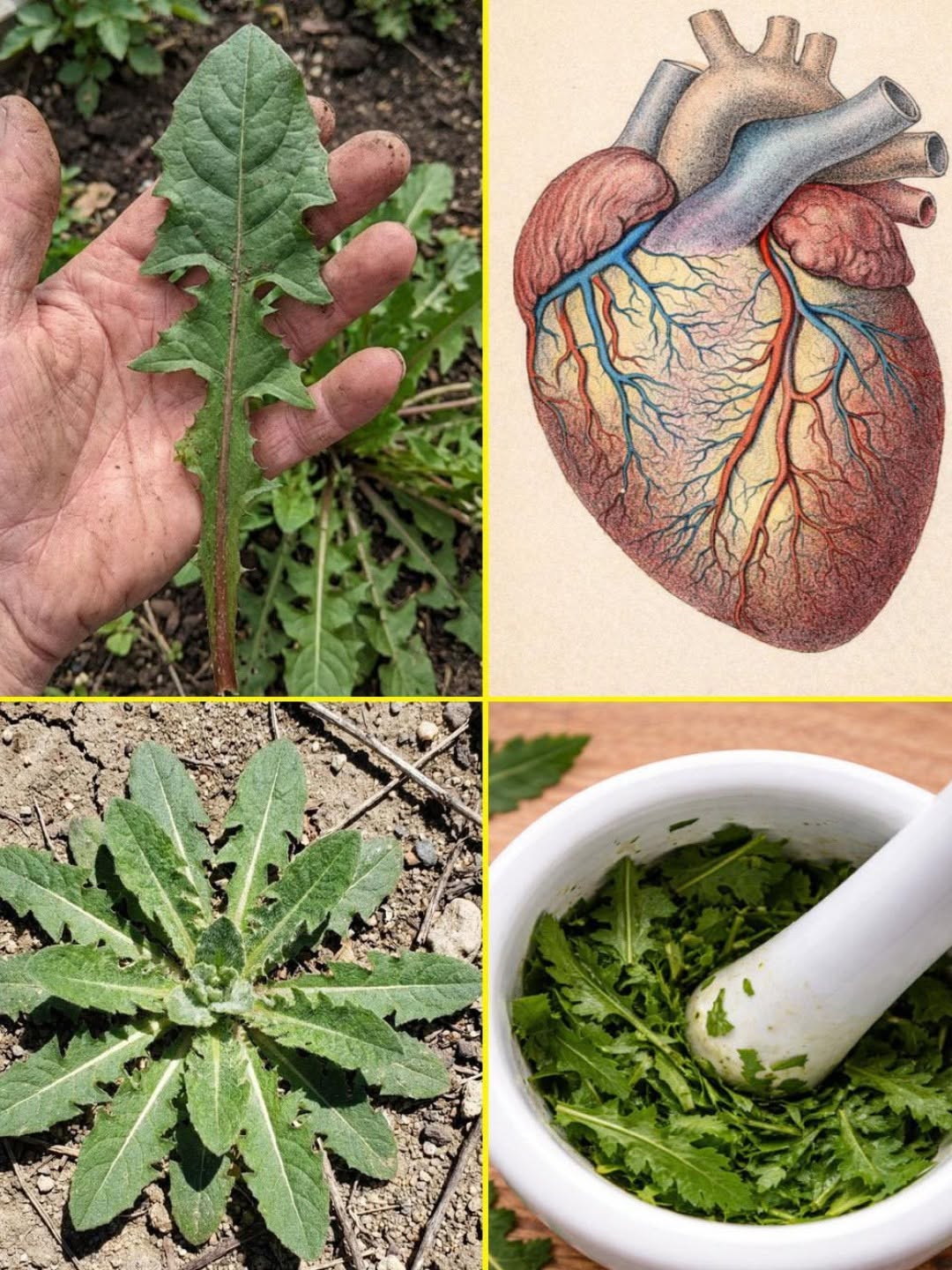
Dandelion Leaves often get treated as unwanted yard weeds, but these familiar greens have a much more interesting story. The leaves of the common dandelion, Taraxacum officinale, have a long history as food, and they provide useful nutrients when prepared as part of an ordinary diet.
Their slightly bitter flavor works well in salads, soups, sautés, pesto-style sauces, and cooked greens. In addition, USDA FoodData Central lists raw dandelion greens as a food with vitamins, minerals, and fiber, including notably high amounts of vitamin A activity and vitamin K.
However, Dandelion Leaves also attract exaggerated wellness claims. You may see them promoted as a “detox,” liver cleanser, diabetes treatment, or cure-all. Current evidence does not justify those promises. The National Center for Complementary and Integrative Health states that very little research has examined dandelion’s effects on human health and that no compelling scientific evidence supports its use for any health condition.
That does not make the plant useless. Instead, it gives us a better reason to appreciate Dandelion Leaves for what they genuinely offer: an edible leafy green with a distinctive flavor, useful nutrients, culinary versatility, and an interesting history.
I started paying attention to dandelions after seeing a neighbor gather young leaves from a garden bed one spring. Until then, I had always viewed the plant as something people pulled from lawns. She explained that her family had cooked the young greens for generations, usually with garlic and a little olive oil. Curiosity won, so I bought cultivated Dandelion Leaves from a produce market rather than picking unfamiliar plants outdoors. The first bite surprised me with its bold bitterness, but cooking softened the flavor beautifully. Since then, I have enjoyed them in small amounts alongside milder greens, especially when I want something different from spinach or kale.
Why Dandelion Leaves Deserve More Attention
They Provide Real Nutritional Value
Dandelion Leaves belong in the conversation about nutritious leafy greens because they provide a useful mixture of vitamins, minerals, and plant compounds.
According to USDA FoodData Central, raw dandelion greens provide nutrients that include vitamin A, vitamin K, vitamin C, calcium, potassium, iron, and dietary fiber.
That nutritional profile makes them a reasonable addition to a varied diet.
Vitamin A supports several normal functions in the body, including vision and immune function. Meanwhile, vitamin K plays an important role in normal blood clotting and bone metabolism. Dandelion greens also contribute smaller amounts of minerals and vitamin C.
However, describing Dandelion Leaves as nutritious does not mean they need to “beat” kale, spinach, or another vegetable to deserve a place on the plate.
Nutrition works better through variety.
Different leafy vegetables offer different combinations of nutrients and flavors. Therefore, rotating dandelion greens with spinach, collards, kale, arugula, mustard greens, lettuce, and other vegetables can help make meals more interesting.
Dandelion Leaves also contain fiber.
Fiber contributes to normal digestive function and can support a satisfying eating pattern. Still, a small serving of greens cannot replace the overall fiber that comes from a varied diet rich in vegetables, fruits, legumes, nuts, seeds, and whole grains.
Most importantly, you do not need herbal extracts or concentrated supplements to appreciate the plant.
Eating Dandelion Leaves as food gives you a straightforward culinary way to enjoy them without treating them as medicine.
Their Bitter Flavor Can Make Meals More Interesting
Nutrition is only part of the appeal.
Dandelion Leaves have a distinctive bitter flavor that becomes especially noticeable in mature leaves. University of Wisconsin horticultural information notes that heat and insufficient moisture can make the leaves more bitter.
Young spring leaves generally taste milder.
That bitterness may seem challenging at first, especially if you usually eat mild lettuces. However, you can balance Dandelion Leaves with other flavors rather than trying to remove every trace of bitterness.
Acid works particularly well.
For example, lemon juice or vinegar can brighten cooked greens. Olive oil adds richness, while garlic and onions provide savory depth. A small amount of naturally sweet fruit, such as apple or pear, can also balance a raw salad.
Salt can soften the overall perception of bitterness when used appropriately.
Cooking changes the experience as well.
A quick sauté creates softer, less aggressive greens. Blanching the leaves briefly before sautéing can reduce bitterness further. Meanwhile, adding Dandelion Leaves to soup distributes their flavor throughout the dish.
You can also mix them with milder greens.
For example, combine one part dandelion with two or three parts spinach or lettuce. As a result, you still get the interesting bitter note without letting it dominate the entire meal.
Dandelion Leaves become much easier to enjoy when you think of bitterness as a flavor to balance instead of a flaw to eliminate.
What Science Really Says About Dandelion Leaves
Promising Laboratory Research Is Not the Same as Proven Benefits
Dandelion has attracted considerable scientific interest because it contains numerous plant compounds.
Researchers have investigated dandelion extracts and their constituents for antioxidant, anti-inflammatory, metabolic, digestive, and other biological effects. Reviews describe potentially interesting activity, particularly in laboratory and animal research.
However, this distinction matters enormously: laboratory findings do not automatically translate into proven health benefits for people eating Dandelion Leaves.
For example, researchers can expose cells to concentrated dandelion extracts under controlled laboratory conditions. Those experiments may help scientists identify biological mechanisms worth studying.
Yet eating a serving of cooked greens creates a completely different exposure.
The concentration changes.
Digestion changes the compounds.
The body absorbs some substances differently.
Furthermore, effects observed in isolated cells may not occur in a living person.
A 2022 review of dandelion research related to gastrointestinal conditions also discussed promising laboratory and animal findings while emphasizing the developing nature of the evidence.
Therefore, claims that Dandelion Leaves “treat inflammation,” “reverse diabetes,” or “heal the liver” move much further than current human evidence allows.
NCCIH provides a useful reality check. It states that very little human research has examined dandelion and that no compelling scientific evidence supports its use for any particular health condition.
That conclusion does not erase the plant’s nutritional value.
Instead, it separates food from medicine.
You can enjoy Dandelion Leaves because they taste interesting and contribute nutrients without expecting them to cure disease.
The Famous “Detox” Claim Needs Context
Dandelion frequently appears in products and articles that promise liver cleansing or detoxification.
However, “detox” has become a vague marketing term.
The human body already uses organs including the liver and kidneys to process and eliminate many substances. Eating vegetables can certainly form part of an overall health-supporting diet, but no convincing evidence shows that ordinary Dandelion Leaves perform a special cleanse that removes mysterious accumulated toxins.
Traditional herbal practices have used different parts of dandelion for digestive and other purposes. Modern reviews document a long history of traditional use across different cultures.
Traditional use can provide interesting clues for research.
However, tradition alone cannot establish effectiveness for a medical condition.
Even one of the better-known human studies involving dandelion requires careful interpretation. A small 2009 pilot study found increased urination after participants took an ethanolic extract made from fresh dandelion leaf. The researchers themselves emphasized that further studies were needed.
That result does not prove that eating Dandelion Leaves “flushes toxins.”
It also does not establish dandelion as a safe replacement for prescribed diuretics.
Therefore, the strongest reason to eat these greens remains wonderfully ordinary: they are food.
Add them to meals for their flavor, nutrients, and variety.
If you have a liver, kidney, digestive, blood-sugar, or other medical condition, use evidence-based medical care rather than depending on dandelion as treatment.
How to Eat Dandelion Leaves Safely and Deliciously
Choose the Right Leaves and Prepare Them Properly
Dandelion Leaves can taste dramatically different depending on their age and growing conditions.
Young leaves usually offer the gentlest introduction.
Look for fresh, vibrant greens without obvious decay, sliminess, or severe damage.
Buying cultivated dandelion greens from a grocery store, farmers market, or trusted grower also removes some of the uncertainty that comes with backyard foraging.
If you plan to gather Dandelion Leaves outdoors, identification matters.
Never eat a plant unless you can identify it confidently. In addition, avoid areas that may have received herbicides, pesticides, roadside contamination, pet waste, or other unwanted substances.
MedlinePlus notes that some weed killers can cause poisoning when swallowed, which reinforces the importance of avoiding plants collected from areas that may have been chemically treated.
Wash edible greens thoroughly under clean running water before preparing them.
For raw salads, start with young leaves.
Chop them into smaller pieces, then combine them with milder lettuce, cucumber, tomato, apple, toasted nuts, beans, or another favorite ingredient.
A lemon vinaigrette pairs especially well with their bitterness.
For cooked Dandelion Leaves, heat a little olive oil in a skillet.
Add sliced garlic and cook briefly.
Then add washed greens and toss until they wilt.
Finish with lemon juice and a small pinch of salt.
You can also blanch particularly bitter leaves for a minute or two, drain them, and then sauté them.
Alternatively, stir chopped Dandelion Leaves into bean soup, lentil soup, pasta, grain bowls, or vegetable stew during the final minutes of cooking.
These methods let the plant complement a meal instead of dominating it.
Try Them in Everyday Meals Instead of Supplements
Dandelion supplements come in teas, capsules, tinctures, extracts, powders, and other concentrated preparations.
However, eating Dandelion Leaves as an ordinary vegetable differs considerably from taking concentrated herbal products.
NCCIH notes that dandelion is likely safe for most people in the amounts commonly found in foods. At the same time, researchers know less about the safety of larger amounts, and NCCIH warns about possible medication interactions.
Therefore, food provides a sensible starting point for most people who simply want to explore dandelion.
Try a handful of young leaves in a mixed salad.
Add chopped greens to scrambled eggs.
Fold cooked leaves into pasta.
Mix them into a savory grain bowl.
Use a small amount in pesto alongside basil or parsley.
You can even place sautéed Dandelion Leaves on toast with white beans and lemon.
These preparations let you adjust the amount according to your taste.
They also turn dandelion into part of a balanced meal rather than asking one herb to carry unrealistic expectations.
For beginners, cooking usually offers the easiest introduction because heat softens both texture and bitterness.
A simple preparation works well:
Warm olive oil.
Add garlic.
Add Dandelion Leaves.
Cook until tender.
Finish with lemon.
That combination gives you bitterness, acidity, richness, and savory flavor in the same bite.
Furthermore, you can pair the greens with protein and complex carbohydrates to create a complete meal.
Dandelion Leaves do not need to become a daily ritual to provide value.
Sometimes the best approach to an unusual vegetable simply involves enjoying it whenever it is fresh and available.
Dandelion Leaves Safety, Medication Interactions, and Common Myths
Who Should Use Extra Caution?
Although Dandelion Leaves are commonly eaten as food, herbal dandelion products deserve more caution.
NCCIH states that dandelion may theoretically interact with several types of medication, including antidiabetes medicines, anticoagulant or antiplatelet medicines, and diuretics.
Therefore, anyone taking prescription medicines should discuss concentrated dandelion products with a healthcare professional or pharmacist.
This becomes particularly important if you plan to use dandelion regularly in amounts much larger than ordinary food servings.
NCCIH also states that little is known about the safety of consuming dandelion in amounts greater than those found in foods during pregnancy or breastfeeding.
Allergic reactions can also occur.
Dandelion belongs to the Asteraceae plant family, which includes several other flowering plants. People with known plant allergies should use sensible caution, particularly with herbal preparations.
Furthermore, do not replace prescribed medication with Dandelion Leaves or dandelion supplements.
For example, the small human study examining dandelion leaf extract and urination does not provide enough evidence to replace prescribed water pills.
Likewise, laboratory research exploring possible effects on glucose metabolism does not make dandelion an established diabetes treatment. Reviews discussing those possibilities repeatedly point to experimental and preliminary research rather than robust clinical evidence.
Dandelion Leaves can fit comfortably into many diets.
However, the moment you move from eating a vegetable to using concentrated herbal products for a medical purpose, the decision deserves more care.
Seven Benefits Worth Appreciating Without the Hype
You may see articles promising seven dramatic health benefits from Dandelion Leaves.
A more evidence-based version looks different, but it remains surprisingly positive.
First, Dandelion Leaves provide several vitamins and minerals. USDA data document their nutrient content directly.
Second, they contribute dietary fiber.
Third, they add another leafy vegetable to your diet, which helps increase dietary variety.
Fourth, their bold bitter flavor can make salads and cooked dishes more interesting without requiring heavy sauces.
Fifth, young leaves can work raw while older leaves can become delicious after cooking, giving you several preparation options.
Sixth, Dandelion Leaves contain numerous naturally occurring plant compounds that continue to attract scientific research. However, researchers have not yet translated many laboratory findings into confirmed clinical benefits.
Seventh, using an edible green that many cultures have valued for generations can expand your culinary repertoire.
Those may sound less dramatic than promises about detoxification, miraculous weight loss, or disease reversal.
However, they have one major advantage: they do not require exaggeration.
Dandelion Leaves already have enough going for them.
They are nutritious.
They are inexpensive in season.
They provide an unusual flavor.
They adapt to several cooking methods.
And they remind us that familiar plants sometimes deserve a second look.
You do not need to call Dandelion Leaves a miracle cure to appreciate them.
Sometimes being a good vegetable is more than enough.
Frequently Asked Questions
Can you eat Dandelion Leaves raw?
Yes. Young Dandelion Leaves can be eaten raw when they come from a safe, properly identified source and have been thoroughly washed. Their flavor can be bitter, so many people mix them with milder lettuce and use an acidic dressing such as lemon vinaigrette.
Are Dandelion Leaves actually healthy?
Dandelion Leaves provide several useful nutrients, including vitamins A and K, along with vitamin C, minerals, and fiber according to USDA food composition data. However, no single vegetable can guarantee better health, so enjoy them as part of a varied diet.
Do Dandelion Leaves detox the liver?
Current evidence does not establish Dandelion Leaves as a liver “detox.” NCCIH states that very little human research exists and that no compelling evidence supports dandelion for any health condition. Enjoy the leaves as food rather than relying on them to treat liver problems.
Can Dandelion Leaves interact with medication?
Concentrated dandelion products may theoretically interact with antidiabetes medicines, blood-thinning medicines, antiplatelet medicines, diuretics, and other drugs. If you take medication and plan to use dandelion supplements or large medicinal amounts, discuss the idea with a qualified healthcare professional.
How do you make Dandelion Leaves less bitter?
Choose younger leaves whenever possible. You can also blanch mature greens briefly before sautéing them. Garlic, olive oil, lemon juice, vinegar, fruit, beans, and milder greens can balance their bitterness and make Dandelion Leaves easier to enjoy.
Conclusion
Dandelion Leaves deserve more respect than their reputation as a lawn nuisance suggests.
They are genuine edible greens with an interesting bitter flavor and a meaningful nutritional profile. USDA food composition information confirms that they contain vitamins, minerals, and fiber, while their culinary versatility lets you use them raw, sautéed, blanched, or stirred into soups and other dishes.
However, appreciating Dandelion Leaves does not require turning them into a miracle medicine.
Research has identified interesting compounds and biological activity in laboratory and animal experiments, but human evidence remains limited. NCCIH specifically states that compelling evidence does not currently support dandelion as a treatment for any health condition.
Therefore, skip the exaggerated promises.
Do not expect Dandelion Leaves to cleanse your liver, cure diabetes, erase inflammation, or replace medical treatment.
Instead, enjoy them for what they can genuinely provide.
Use young leaves in salads.
Sauté mature greens with garlic.
Add them to soups and grain bowls.
Pair their bitterness with lemon, olive oil, beans, fruit, or milder vegetables.
Most importantly, source them safely. Avoid harvesting plants from areas treated with weed killers or other chemicals, and never eat a wild plant unless you can identify it confidently.
If you take medication or want to use concentrated dandelion supplements, remember that possible interactions deserve attention.
Dandelion Leaves may not be a miracle cure.
They do not need to be.
A nutritious, versatile green hiding in plain sight is already interesting enough.