Classic Buttery Biscuits
Classic Buttery Biscuits are the kind of comfort food that instantly makes any meal feel warmer and more inviting. From the moment they come out of the oven, golden and fragrant, they fill the kitchen with the smell of rich butter and baked goodness. These biscuits are known for their soft interior, flaky layers, and delicate crust that breaks apart with just a light touch.
What makes Classic Buttery Biscuits so special is their simplicity. With only a handful of basic ingredients, you can create something that tastes bakery-quality right at home. The key is in the technique—keeping everything cold, handling the dough gently, and allowing the oven to do its magic. As a result, you get biscuits that rise beautifully and separate into buttery layers.
These biscuits fit into almost any meal. They work just as well for breakfast with jam as they do alongside dinner dishes like soups or roasted meats. Because of their versatility, they quickly become a staple in many kitchens. Once you master Classic Buttery Biscuits, you’ll find yourself returning to them again and again for both everyday meals and special occasions.
I still remember the first time I tried making biscuits on my own. I thought it would be simple, but my early attempts came out dense and flat. Still, I kept experimenting every weekend, slowly learning how important cold butter and gentle mixing really were. One morning, I finally got it right. The biscuits rose tall, with visible layers and a soft center that pulled apart easily. I served them warm with butter, and the reaction around the table made all the effort worth it. That moment turned Classic Buttery Biscuits into something I now make without hesitation whenever I want to bring comfort to the table.
The Secret Behind Fluffy and Flaky Texture
Cold butter and steam pockets
The foundation of Classic Buttery Biscuits lies in cold butter. When cold butter hits a hot oven, it melts and releases steam. That steam creates tiny air pockets, which form flaky layers inside the biscuit. Because of this reaction, keeping the butter cold is one of the most important steps. If the butter softens too early, the biscuits lose their structure and become dense instead of light and airy.
extSteamexpansionightarrowextflakybiscuitlayers
This simple transformation explains why texture depends so heavily on temperature control. Every flaky layer is a result of trapped steam working inside the dough.
Baking powder and dough lift
Another essential element is baking powder. It provides the lift needed for Classic Buttery Biscuits to rise properly. When combined with liquid and heat, it releases gases that expand the dough. This expansion pushes the layers upward, creating a tall, soft structure. Without enough leavening, biscuits remain flat and heavy. With the right balance, they become light, airy, and perfectly tender.
Building the Perfect Biscuit Dough
Cutting in butter for ideal texture
The way butter is mixed into the flour makes a huge difference. Instead of melting or fully blending it, the butter should be cut into small pieces and mixed until it resembles coarse crumbs. This allows pockets of butter to remain intact inside the dough. As the biscuits bake, those pockets melt and create the flaky layers that define Classic Buttery Biscuits.
Handling the dough gently is just as important. Overmixing develops gluten, which leads to toughness instead of softness. A light touch ensures tenderness and a delicate crumb.
Balancing moisture and dough consistency
The liquid used in biscuit dough must be cold to maintain butter integrity. Buttermilk is often preferred because it adds subtle tang and helps soften the texture. When added gradually, it brings the dough together without making it sticky. The goal is a soft, slightly shaggy dough that holds together without being overworked. This balance ensures Classic Buttery Biscuits bake evenly and maintain their structure.
Baking Techniques for Golden Layers
Folding for extra flakiness
One of the best techniques for improving Classic Buttery Biscuits is folding the dough. By gently pressing and folding it a few times, you create additional layers without overworking it. This method mimics a lamination process, similar to pastries, and results in visible flaky sections once baked. Each fold contributes to the final height and texture.
Oven temperature and timing control
A hot oven is essential for proper rise. When the dough enters a high-temperature environment, the butter melts quickly and produces steam, lifting the dough. Timing also matters. Baking too long dries them out, while underbaking leaves them doughy inside. The perfect balance produces golden tops with soft, fluffy centers that define Classic Buttery Biscuits.
Serving Ideas and Everyday Variations
Sweet and savory ways to enjoy
Classic Buttery Biscuits are incredibly versatile. For a sweet version, they pair beautifully with jam, honey, or fruit preserves. For savory meals, they complement soups, stews, and gravy-based dishes. They also work well as breakfast sandwiches filled with eggs, cheese, or bacon. This flexibility makes them suitable for any time of day.
Storing and reheating without losing softness
To keep biscuits fresh, store them in an airtight container once cooled. They stay soft for a couple of days at room temperature. When reheating, a low oven restores warmth and texture without drying them out. A light brush of butter before serving brings back their fresh-baked flavor and aroma.
Frequently Asked Questions
What makes biscuits rise so high?
Cold butter and baking powder work together to create steam and lift.
Can I use regular milk instead of buttermilk?
Yes, but adding a little acid helps mimic the same tenderness.
Why are my biscuits dense?
Overmixing or warm butter usually causes dense texture.
Can I freeze biscuit dough?
Yes, freezing before baking helps preserve freshness and structure.
How do I keep biscuits soft after baking?
Store them covered and reheat gently in the oven before serving.
Ingredients
Equipment
Method
- Preheat oven to 425°F (220°C) and line a baking sheet with parchment paper.
- Mix flour, baking powder, sugar, and salt in a bowl.
- Cut cold butter into flour mixture until crumbly.
- Add cold buttermilk and mix gently until dough forms.
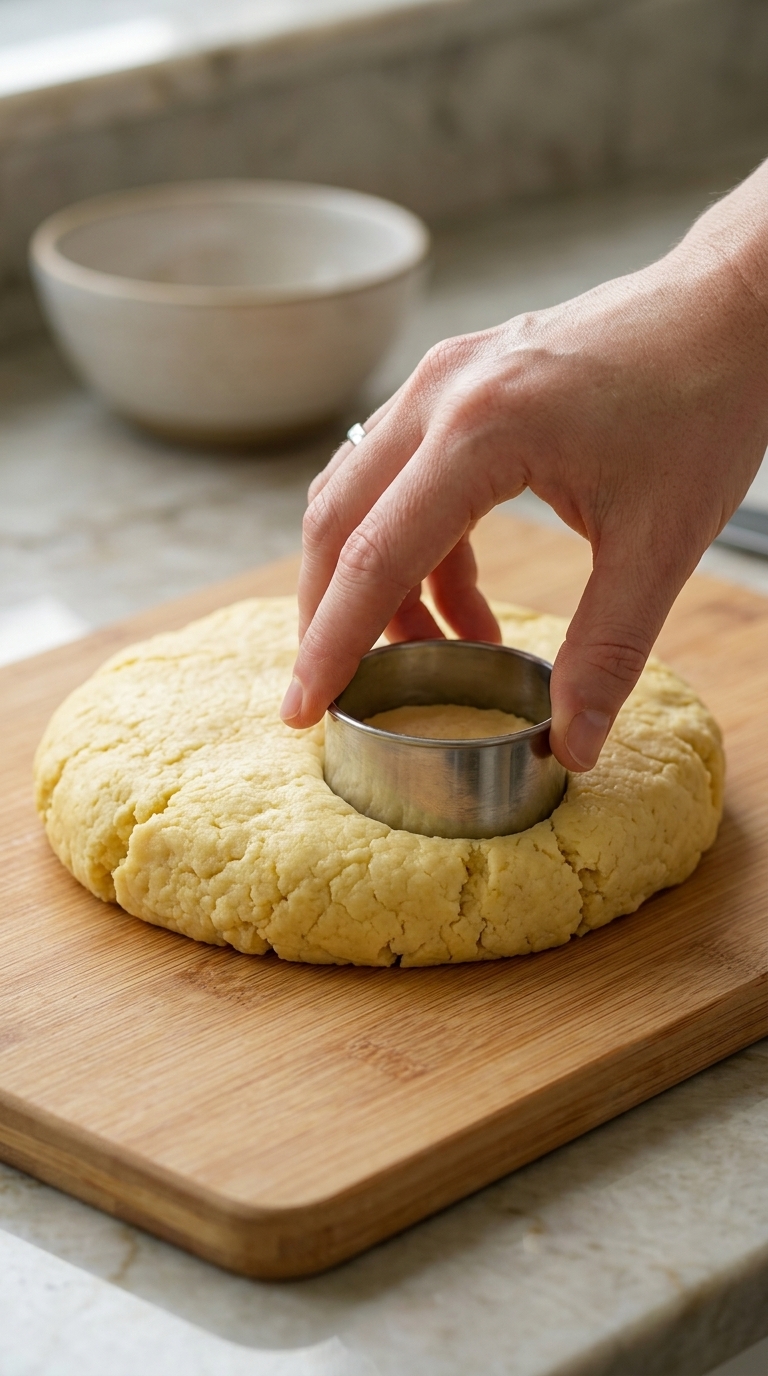
- Turn dough onto surface, fold lightly 2–3 times, and pat to thickness.
- Cut biscuits and place on baking sheet.
- Brush tops with egg wash if desired.
- Bake for 12–15 minutes until golden brown.
Notes
Conclusion
Classic Buttery Biscuits bring together simplicity, comfort, and rich flavor in every bite. With the right balance of cold butter, gentle mixing, and proper baking technique, they transform into soft, flaky layers that melt in your mouth. Whether served for breakfast or alongside dinner, they always add warmth to the table. Once mastered, Classic Buttery Biscuits become a timeless recipe you can rely on for any occasion.