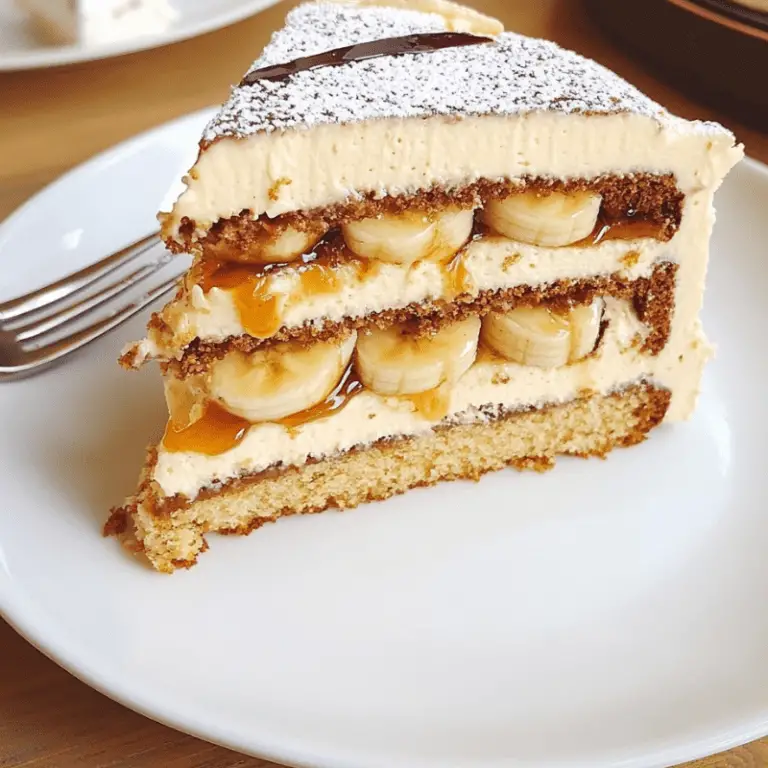
Nothing compares to the comforting smell of freshly baked Amish White Bread filling your kitchen. This classic homemade bread recipe creates soft, fluffy loaves with a lightly sweet flavor and tender texture that make every slice unforgettable. Whether you serve it with butter, use it for sandwiches, or toast it for breakfast, this bread delivers bakery-quality results right from your oven.
Amish White Bread has remained popular for generations because it uses simple ingredients while producing incredibly soft and flavorful loaves. Unlike many store-bought breads, this homemade version stays moist, slices beautifully, and tastes rich without feeling heavy. Even better, beginner bakers can follow this recipe successfully with just a little patience and a warm place for the dough to rise.
One snowy afternoon, I baked Amish White Bread while preparing dinner for my family. The warm scent drifted through every room and brought everyone into the kitchen long before the meal was ready. My youngest grabbed a warm slice before it fully cooled, while the rest of us gathered around the counter with butter and jam. Since then, this bread has become part of our weekly routine because it feels comforting, simple, and homemade in the best possible way. Although the ingredients stay basic, the final result always tastes like something special made with care and tradition.
Why Amish White Bread Is So Loved
A Soft and Fluffy Texture
One of the biggest reasons people love Amish White Bread is the texture. Every loaf bakes into a pillowy-soft bread with a delicate crumb that stays tender for days. Because the dough contains sugar and oil, the finished bread develops a rich softness without becoming overly dense.
This texture makes the bread ideal for many uses. It works beautifully for school lunches, grilled cheese sandwiches, French toast, and breakfast toast. Since the slices remain soft, they also hold spreads and fillings perfectly without falling apart.
Additionally, the golden crust stays thin and tender rather than overly chewy. Therefore, every bite feels balanced between softness and structure.
Perfect for Beginner Bakers
Homemade yeast bread may seem intimidating at first, yet Amish White Bread offers one of the easiest starting points for new bakers. The ingredients stay simple, the instructions remain straightforward, and the dough responds beautifully to basic techniques.
Because the dough rises reliably, even first-time bakers often achieve impressive results. Furthermore, the recipe allows flexibility with kneading and shaping, which removes much of the stress commonly associated with bread baking.
Another advantage comes from the affordability of the ingredients. Most kitchens already contain flour, sugar, yeast, oil, and salt. Therefore, you can create fresh homemade bread without buying expensive specialty items.
The process itself also feels rewarding. Watching the dough rise and transform into golden loaves creates a sense of accomplishment that few recipes can match.
Essential Ingredients for Amish White Bread
Flour, Yeast, and Water
Flour creates the foundation of Amish White Bread, so choosing the right kind matters greatly. All-purpose flour works perfectly because it produces soft, tender bread while still giving enough strength for proper rising.
Some bakers prefer bread flour because it creates slightly more chew and structure. However, all-purpose flour remains the classic choice for achieving the soft texture Amish White Bread is known for.
Yeast serves as another critical ingredient because it helps the dough rise while developing flavor and texture. Active dry yeast works especially well in this recipe. Always check expiration dates carefully because expired yeast may prevent the dough from rising properly.
Water temperature also matters significantly. Warm water activates the yeast gently, while overly hot water can kill it instantly. Therefore, aim for water between 105°F and 115°F for best results.
The Role of Sugar and Oil
Sugar does far more than sweeten Amish White Bread. It also feeds the yeast, which encourages strong rising and beautiful browning during baking. Although the bread tastes lightly sweet, the sugar mainly enhances flavor balance and texture.
Oil contributes softness and moisture. Vegetable oil keeps the crumb tender for several days, making this bread ideal for storing and freezing.
Salt may seem simple, yet it plays an important role by balancing sweetness and strengthening gluten structure. Without enough salt, bread often tastes bland and lacks proper texture.
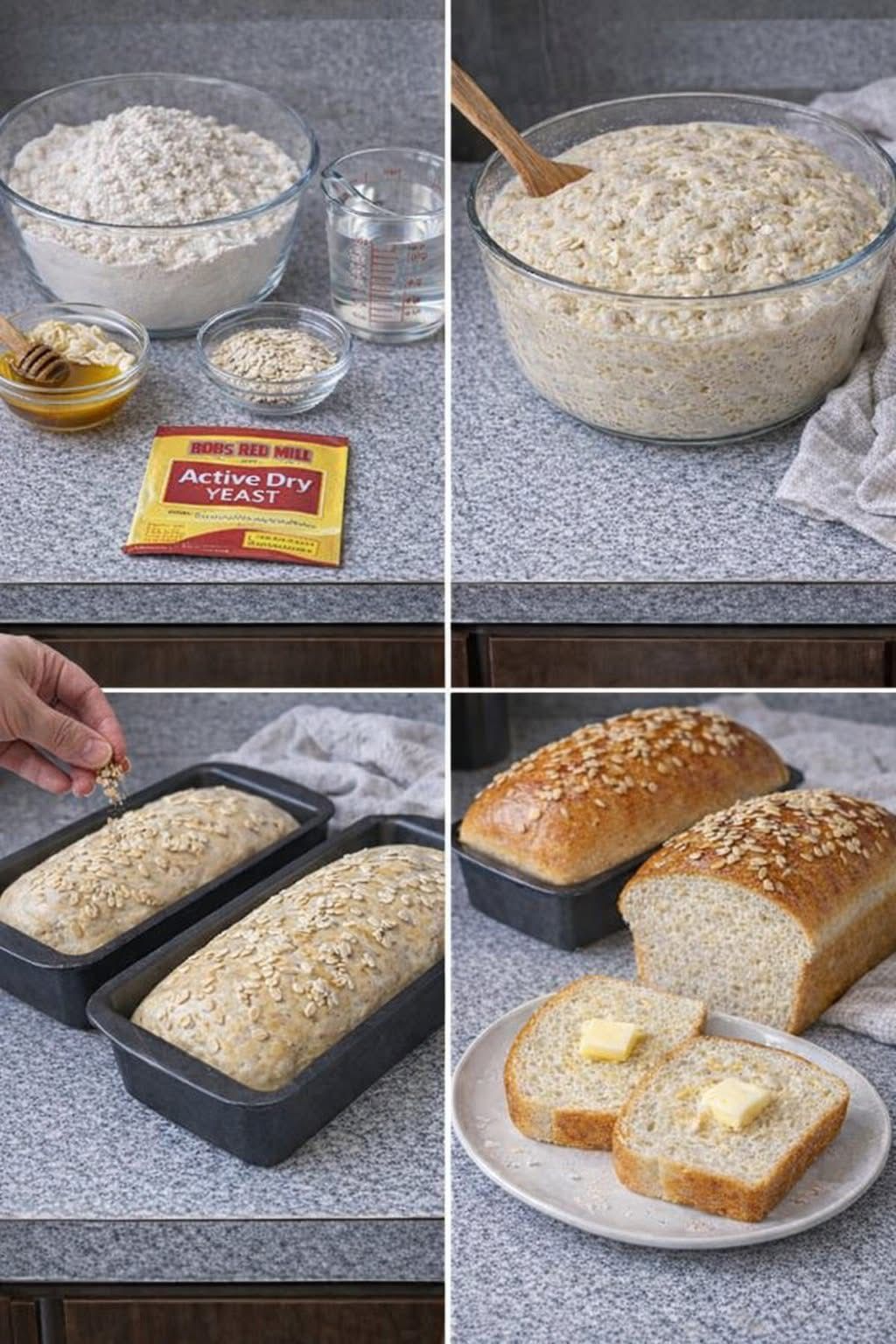
Optional rolled oats on top create visual appeal and subtle texture. While not necessary, they add a rustic homemade appearance that many bakers love.
Ingredients
Equipment
Method
- Combine warm water and half the sugar in a large bowl.
- Sprinkle yeast over the mixture and let stand until foamy.
- Add remaining sugar, salt, oil, and flour gradually.
- Knead dough until smooth and elastic.
- Place dough into a greased bowl and let rise until doubled.
- Punch down dough and divide into two equal pieces.
- Shape dough into loaves and place into greased loaf pans.
- Allow dough to rise again until puffy.
- Bake at 375°F for 30-35 minutes until golden brown.
- Cool completely before slicing and serving.
Notes
How to Make Amish White Bread Successfully
Mixing and Kneading the Dough
Start by combining warm water and part of the sugar in a large mixing bowl. Sprinkle the yeast on top and allow it to sit until bubbly and foamy. This blooming process confirms the yeast remains active.
Next, add the remaining sugar, salt, oil, and flour gradually. Stir continuously until the dough becomes thick enough to knead.
Kneading develops gluten, which gives bread its structure and elasticity. Therefore, this step remains essential for soft and airy loaves. Continue kneading until the dough feels smooth, stretchy, and no longer sticky.
The windowpane test helps determine whether the dough has developed enough gluten. Stretch a small piece between your fingers. If light passes through without tearing, the dough is ready.
Although kneading by hand works wonderfully, a stand mixer can save time and effort. Either method creates excellent results when done correctly.
Rising and Shaping the Loaves
After kneading, place the dough into a lightly greased bowl and cover it with a towel or plastic wrap. Then allow it to rise in a warm, draft-free area until doubled in size.
This first rise develops flavor while allowing air pockets to form inside the dough. Therefore, patience during this stage improves the final texture dramatically.
Once doubled, punch down the dough gently to release excess air. Divide it evenly into two portions before shaping each into a loaf.
To shape properly, flatten each portion into a rectangle before rolling it tightly into a log. Pinch the seam underneath to help the loaf maintain structure during baking.
Place the shaped dough into greased loaf pans and allow a second rise. During this stage, the dough becomes puffy and rises above the edges of the pans.
Baking Amish White Bread Perfectly
Achieving a Golden Crust
Preheat the oven fully before baking because stable heat helps the loaves rise evenly. Bake the bread at 375°F until the tops become deep golden brown.
If the crust darkens too quickly, loosely cover the loaves with foil during the final baking minutes. This protects the crust while allowing the centers to finish baking completely.
An instant-read thermometer provides the most accurate way to check doneness. The internal temperature should reach between 190°F and 200°F.
Immediately after baking, remove the loaves from their pans and place them on a wire rack. This prevents soggy bottoms and allows steam to escape evenly.
Cooling and Slicing Tips
Cooling bread properly remains extremely important. Although slicing warm bread feels tempting, cutting too early traps steam and creates a gummy texture.
Allow Amish White Bread to cool fully before slicing. This resting period helps the crumb set while distributing moisture evenly throughout the loaf.
Once cooled, use a serrated knife for clean slices. The bread cuts beautifully and stays soft enough for sandwiches without crumbling.
Fresh slices taste incredible with butter, jam, peanut butter, or honey. However, the bread also works wonderfully alongside soups, stews, and pasta dishes.
Storage, Variations, and Serving Ideas
Best Ways to Store Homemade Bread
Amish White Bread stays fresh for several days when stored correctly. Place cooled loaves inside airtight bags or containers at room temperature for best results.
Avoid refrigerating homemade bread because cold temperatures dry it out quickly. Instead, freeze extra loaves if you want longer storage.
To freeze, wrap each loaf tightly in plastic wrap followed by aluminum foil. Frozen bread stays fresh for up to three months.
When ready to use, thaw the bread at room temperature. You can also warm it briefly in the oven for a fresh-baked taste and texture.
Delicious Variations to Try
Although classic Amish White Bread tastes wonderful on its own, small variations create exciting new flavors.
For a heartier loaf, replace part of the all-purpose flour with whole wheat flour. This creates a nuttier flavor while maintaining softness.
Honey also works beautifully in place of part of the sugar. The result tastes slightly richer and develops extra moisture.
Garlic powder and Italian herbs create a savory version perfect for serving with pasta and soups. Meanwhile, cinnamon and raisins create a sweeter breakfast-style loaf.
You can also experiment with toppings like sesame seeds, oats, or everything bagel seasoning for added flavor and texture.
Frequently Asked Questions
What makes Amish White Bread different from regular white bread?
Amish White Bread contains slightly more sugar and oil, which creates an especially soft texture and mild sweetness compared to standard white bread.
Can I use instant yeast instead of active dry yeast?
Yes, instant yeast works very well. You can mix it directly with the flour without blooming it first.
Why is my bread dense?
Dense bread often results from too much flour, under-kneading, or insufficient rising time. Always allow the dough to double fully before baking.
Can I freeze Amish White Bread?
Absolutely. Wrap cooled loaves tightly and freeze for up to three months for best quality.
How do I keep the crust soft?
Brush the tops with melted butter immediately after baking. This helps maintain a softer crust while adding flavor.
Conclusion
Amish White Bread remains one of the most comforting and reliable homemade bread recipes you can make. Its soft texture, golden crust, and lightly sweet flavor create the perfect loaf for sandwiches, toast, and family dinners. Even better, the recipe uses simple ingredients and approachable techniques that work beautifully for beginners and experienced bakers alike.
Once you bake your first batch successfully, homemade bread making quickly becomes a rewarding tradition. The process feels calming, the aroma transforms your kitchen, and every warm slice tastes far better than anything from the store. With practice, Amish White Bread may easily become your favorite homemade bread recipe for years to come.