
Sleep plays a vital role in maintaining both physical and mental well-being. While many people focus on getting enough hours of rest, fewer consider how their sleeping position can influence comfort, breathing, digestion, and even long-term health. Sometimes, a small adjustment in the way you sleep can make a noticeable difference in how you feel each morning.
One simple change—sleeping on your side instead of your back or stomach—can improve comfort for many people and may offer several health benefits that extend far beyond a good night’s rest.
Why Sleeping Position Matters
Your sleeping posture affects how your spine, muscles, and internal organs align throughout the night. Poor positioning can lead to stiffness, disrupted sleep, or pressure on certain parts of the body.
A supportive sleeping position helps:
- Maintain natural spine alignment
- Reduce pressure on joints and muscles
- Improve breathing during sleep
- Promote better circulation
Because people spend several hours in the same position each night, even small adjustments can have lasting effects on overall health, energy levels, and daily comfort.
The Benefits of Side Sleeping
Side sleeping is one of the most commonly recommended positions because it naturally supports many of the body’s systems. Here’s why:
1. Supports Spine Alignment
When you sleep on your side with a supportive pillow, your spine can stay in a more natural position. This helps reduce strain on the lower back and neck.
Many people who switch from stomach sleeping to side sleeping notice less morning stiffness and fewer aches over time. Proper alignment may also prevent chronic back pain in the long term.
2. May Reduce Snoring
Sleeping on your back can cause the tongue and soft tissues of the throat to fall backward, partially blocking the airway. Side sleeping helps keep the airway more open, which may reduce snoring for some individuals.
This can also improve sleep quality for both the sleeper and their partner, reducing disruptions and daytime fatigue.
3. Can Improve Digestion
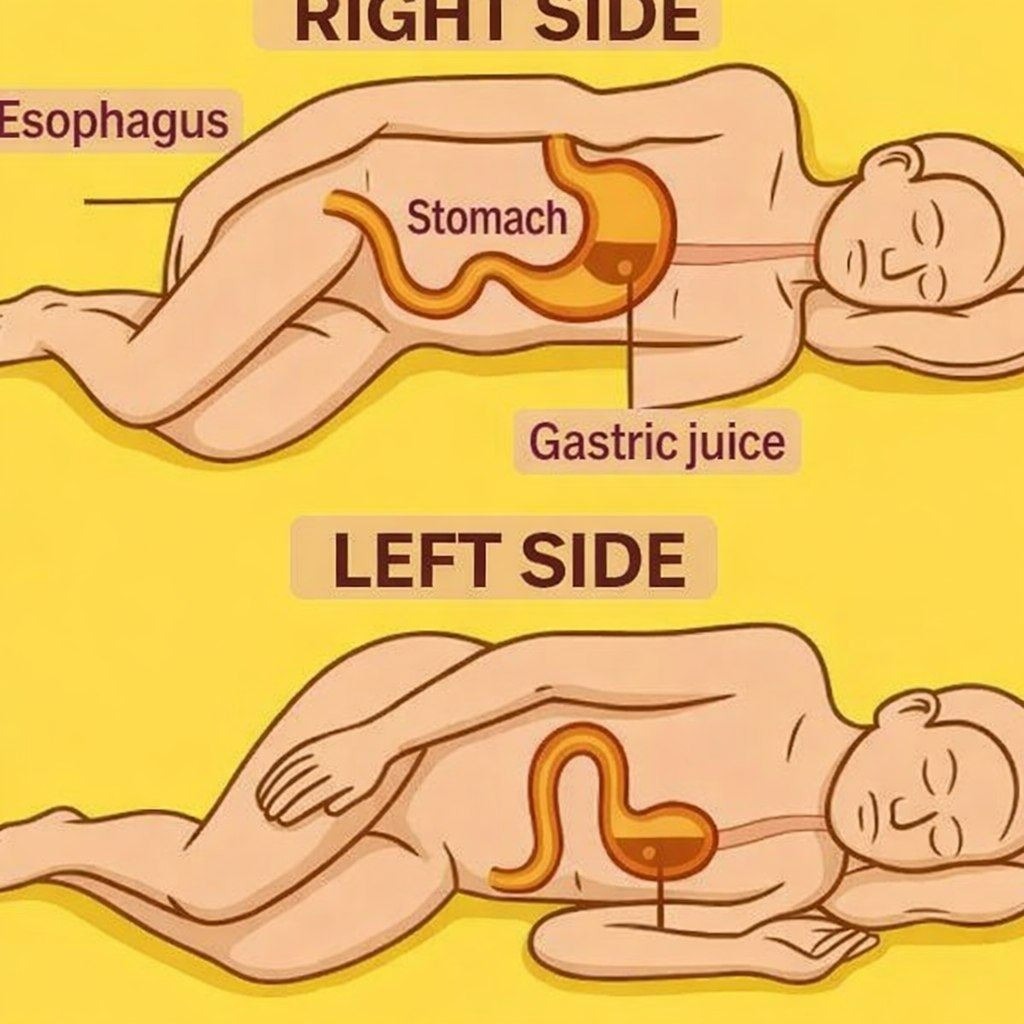
Your digestive system works continuously, even during sleep. Side sleeping—particularly on the left side—may help promote smoother digestion and reduce nighttime discomfort.
Sleeping on the left side can also aid in preventing acid reflux, as gravity helps keep stomach acids from flowing back into the esophagus.
4. May Improve Circulation
Side sleeping reduces pressure on certain blood vessels and encourages healthy circulation throughout the body.
This can be particularly helpful for people who experience numbness or tingling in their limbs during sleep or who have circulatory concerns such as varicose veins or mild edema.
5. Supports Brain Health
Studies show that side sleeping may aid in the brain’s glymphatic system, which clears waste products and toxins from the brain during sleep. Efficient waste removal is linked to a lower risk of neurodegenerative diseases over time.
Tips for Sleeping Comfortably on Your Side
To make the most of side sleeping, consider these simple adjustments:
- Use a pillow that supports your neck and keeps your spine aligned.
- Place a small pillow between your knees to reduce hip and lower back strain.
- Avoid curling up too tightly; keep your body relaxed and extended.
- Rotate sides periodically to prevent muscle stiffness and uneven pressure.
- Ensure your mattress provides enough support without sagging, particularly around the hips and shoulders.
When Side Sleeping May Not Be Ideal
While side sleeping is generally beneficial, some people may need alternative positions:
- Those with shoulder injuries may feel discomfort on the side they sleep.
- People with certain heart conditions may need to follow medical guidance regarding side sleeping.
- Pregnant women are often recommended to sleep on their left side to maximize blood flow to the fetus.
Additional Tips for Better Sleep
In addition to adjusting your position, consider these practices for optimal sleep quality:
- Keep a consistent bedtime and wake time.
- Limit screen time before bed to reduce blue light exposure.
- Maintain a cool, dark, and quiet sleep environment.
- Practice relaxation techniques, such as deep breathing or gentle stretching, before sleep.
Conclusion
Making a small change in sleeping position, like switching to side sleeping, can significantly enhance comfort, digestion, circulation, and overall health. While back or stomach sleeping may be comfortable for some, side sleeping offers numerous advantages that support both body and brain during rest.
Next time you climb into bed, consider giving your body this simple adjustment. With the right pillow, mattress, and a little awareness, you may notice better sleep, less discomfort, and more energy in the morning—all from one small, natural change in your nightly routine.