A Nutrition Guide for Healthier Nails starts with a simple idea: your nails need the same basic nutritional support as the rest of your body. Protein, iron, zinc, B vitamins, and other nutrients help support normal tissue growth and maintenance. However, nail changes do not automatically mean that you have a vitamin or mineral deficiency.
Brittleness, peeling, ridges, discoloration, or slow growth can develop for many reasons. Frequent water exposure, harsh cleaning products, nail trauma, aging, infections, skin conditions, and some medical problems can all affect nail appearance. The American Academy of Dermatology also notes that certain nail changes can accompany conditions such as anemia, kidney disease, lung disease, psoriasis, or infection, although a nail change alone cannot diagnose any of them.
That distinction matters. Good nutrition can support healthy nail growth, especially when you correct a genuine deficiency, but supplements cannot fix every nail problem.
For several months, I dealt with nails that seemed to split as soon as they grew beyond my fingertips. I bought strengthening polishes and kept trimming the damaged edges, yet the problem continued. Eventually, I started paying more attention to my meals and routine instead of relying only on products. I ate more protein-rich foods, added iron-containing foods, protected my hands from repeated soaking, and stopped treating every nail change as a cosmetic problem. The improvement came gradually rather than overnight. That experience taught me that healthy nails depend on both everyday nutrition and gentle care, not on one miracle supplement.
A Nutrition Guide for Healthier Nails Starts With Protein and Balanced Meals
Why Protein Matters for Nail Structure
Your nails contain keratin, a tough structural protein. Therefore, eating enough protein gives your body the amino acids it needs to maintain protein-containing tissues.
You do not need a special “nail diet.” Instead, aim for regular meals that include reliable protein sources.
Eggs, poultry, fish, dairy products, beans, lentils, tofu, nuts, and seeds can all contribute protein. People who follow vegetarian or vegan diets can still meet their needs by combining a variety of plant-based protein sources throughout the day.
A balanced breakfast might include eggs with whole-grain toast and fruit. Alternatively, you could choose Greek yogurt with nuts and berries or oatmeal topped with nut butter and seeds.
Lunch could include beans, lentils, chicken, tuna, tofu, or another protein-rich food.
Dinner can follow the same basic pattern: a protein source, vegetables, and a whole-grain or other nutrient-dense carbohydrate.
This approach supports much more than nails. It also provides the nutrients your muscles, skin, immune system, and other tissues require.
Meanwhile, severe calorie restriction or highly restrictive diets can make it harder to obtain adequate protein and micronutrients. The American Academy of Dermatology notes that inadequate protein and iron intake can contribute to hair problems, which illustrates how nutritional shortfalls can affect rapidly growing tissues.
Therefore, A Nutrition Guide for Healthier Nails should focus on consistency rather than extremes.
Eat enough food. Include protein regularly. Add vegetables, fruit, whole grains, and healthy fats. Then, let time do its work.
Nails grow slowly, so visible improvement usually requires patience.
Why Hydration and Healthy Fats Also Help Support Normal Nails
Water does not act like a nail-growth supplement, but adequate hydration supports normal body function.
However, drinking excessive water will not automatically cure brittle nails.
In fact, external water exposure can sometimes create a different problem. Repeated cycles of soaking and drying may make nails more prone to splitting or peeling in some people. Therefore, people who frequently wash dishes, clean, or work with water may benefit from protective gloves.
Dietary fat also supports overall nutrition.
Foods such as avocado, olive oil, nuts, seeds, and fatty fish provide unsaturated fats along with other useful nutrients. These foods can fit naturally into a balanced eating pattern.
For example, add walnuts to oatmeal, avocado to whole-grain toast, olive oil to vegetables, or salmon to a dinner plate.
The goal is not to consume huge amounts of fat for stronger nails. Instead, include a reasonable variety of nutrient-dense foods so your body receives adequate energy and essential nutrients.
Likewise, avoid assuming that every brittle nail needs a supplement.
Environmental damage often contributes. Frequent use of polish remover, repeated manicures, acrylic removal, exposure to cleaning chemicals, or using nails as tools can weaken them.
Consequently, A Nutrition Guide for Healthier Nails works best alongside gentle nail care.
Wear gloves when cleaning. Moisturize hands and cuticles after washing. File rough edges instead of peeling them. Avoid biting or picking at the nail plate.
Nutrition provides the building blocks, while everyday habits help protect the nail that has already grown.
Iron, Zinc, and B Vitamins Deserve Special Attention
Iron Deficiency Can Affect Nail Appearance
Iron receives significant attention in A Nutrition Guide for Healthier Nails because inadequate iron can affect many tissues throughout the body.
Iron helps your body produce hemoglobin, which carries oxygen in red blood cells. When iron deficiency becomes significant enough to cause anemia, people may develop fatigue, weakness, shortness of breath, headaches, or pallor.
Certain nail changes can also occur.
The American Academy of Dermatology lists pale nails as one possible sign associated with anemia, while Mayo Clinic notes that spoon-shaped nails, called koilonychia, can occur with iron-deficiency anemia among other causes.
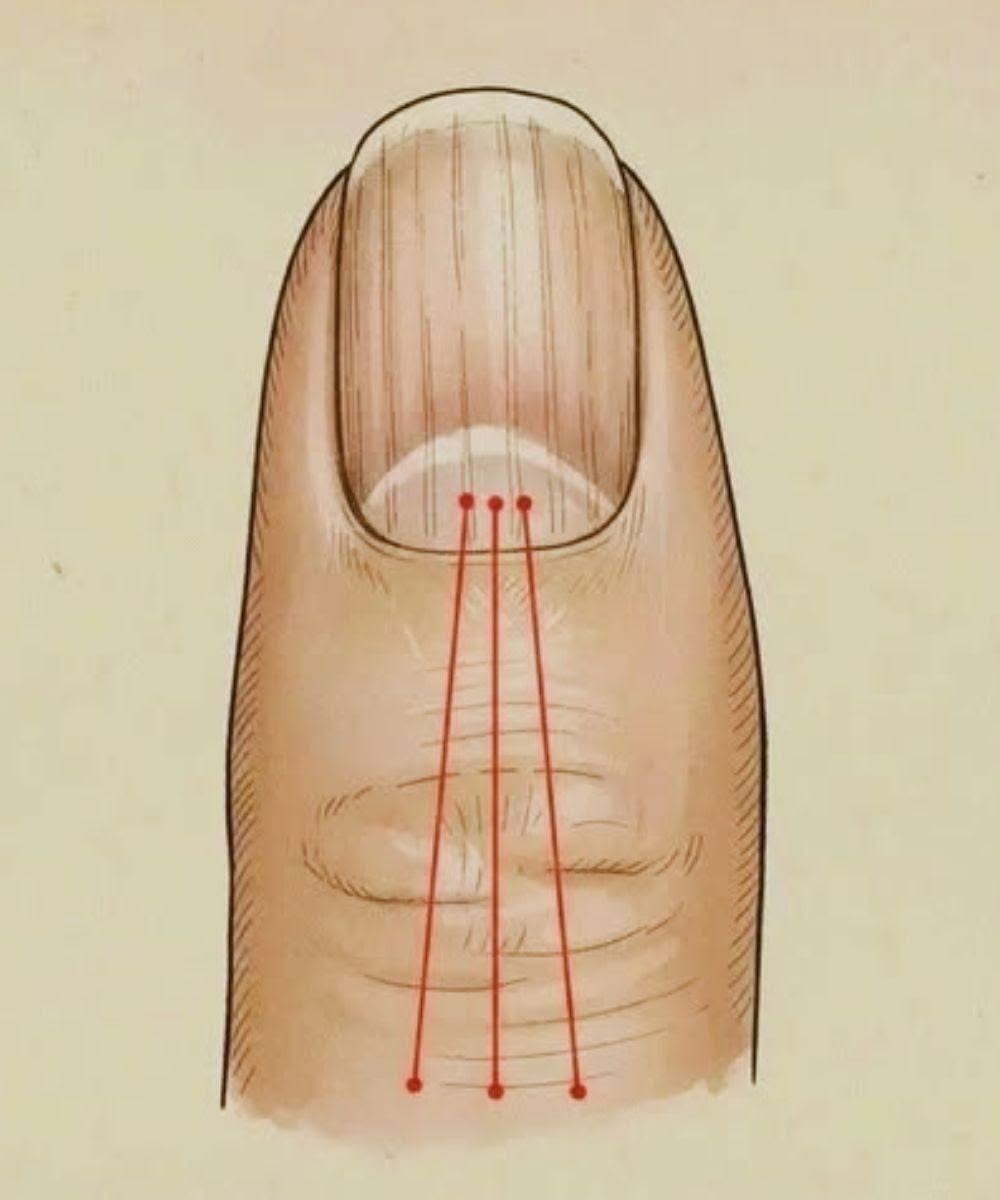
However, vertical ridges alone do not prove iron deficiency.
That point deserves emphasis because many online guides turn common nail features into diagnostic tests. Nails cannot replace bloodwork.
Good food sources of iron include beef, poultry, seafood, beans, lentils, fortified cereals, spinach, and other leafy greens.
Your body generally absorbs iron from animal sources more readily than iron from plants. However, eating plant-based iron sources with vitamin C-rich foods can support absorption.
For example, combine lentils with tomatoes, beans with bell peppers, fortified cereal with strawberries, or spinach with citrus fruit.
Do not start high-dose iron supplements simply because your nails feel brittle.
Too much iron can cause harm, and iron supplements can also cause digestive side effects or interact with certain medications. If symptoms or medical history suggest deficiency, a healthcare professional can order appropriate blood tests before recommending treatment.
Therefore, A Nutrition Guide for Healthier Nails should treat iron as important but not automatic.
Food first works well for many people. Supplements make the most sense when a clinician identifies a need.
Zinc, Vitamin B12, and Other B Vitamins Support Normal Body Functions
Zinc contributes to numerous processes involving cell growth, immune function, protein production, and wound healing. Meanwhile, vitamin B12 supports healthy blood and nerve cells.
Deficiency in these nutrients can affect the body in multiple ways, so eating a varied diet remains important.
Foods containing zinc include meat, shellfish, poultry, dairy products, beans, nuts, seeds, and fortified cereals.
Vitamin B12 naturally occurs primarily in animal-derived foods such as fish, meat, poultry, eggs, and dairy. Fortified foods and supplements can help people who eat little or no animal food meet their needs.
People following vegan diets, older adults with reduced B12 absorption, and individuals with certain gastrointestinal conditions may need particular attention to vitamin B12 intake.
Still, a nail change alone cannot tell you whether your B12 or zinc level is low.
The American Academy of Dermatology warns more broadly that nutrient deficiencies can affect hair and skin, and it identifies iron and zinc among nutrients that matter when intake becomes inadequate.
Therefore, avoid buying a large stack of supplements just because a social media post links every nail ridge with a particular nutrient.
Instead, examine your overall diet.
Do you eat protein regularly? Do you include vegetables and fruit? Do you consume iron-rich foods? Do you have reliable sources of B12? Do you regularly eat nuts, seeds, beans, whole grains, seafood, dairy, or other zinc-containing foods?
If your diet excludes entire food groups, then professional guidance can help identify nutrients that need extra attention.
That measured approach keeps A Nutrition Guide for Healthier Nails useful without turning ordinary nail variations into medical diagnoses.
Biotin for Nails: What the Evidence Actually Shows
Biotin Can Help in Deficiency, but It Is Not a Miracle Supplement
Biotin may be the most heavily marketed nutrient for hair and nails.
However, A Nutrition Guide for Healthier Nails needs to separate marketing claims from what research actually shows.
Biotin, also called vitamin B7, helps enzymes involved in the metabolism of fats, carbohydrates, and amino acids. Your body needs it, but true biotin deficiency remains uncommon in people who eat a varied diet.
Foods containing biotin include eggs, nuts, seeds, fish, meat, sweet potatoes, spinach, and some other vegetables.
Supplement manufacturers often claim that very high doses of biotin create stronger or faster-growing nails.
The evidence looks much less dramatic.
The National Institutes of Health Office of Dietary Supplements states that only a few small studies have found harder nails in some people with thin or brittle nails who took high-dose biotin. It also emphasizes that scientific evidence supporting widespread hair, skin, and nail claims remains limited.
Mayo Clinic similarly notes that people generally obtain biotin through food and that supplements primarily serve to prevent or treat deficiency.
Therefore, claims that everyone needs several milligrams of biotin every day for beautiful nails go beyond the available evidence.
A person with brittle nails may have normal biotin status.
Meanwhile, excessive reliance on supplements can distract from more likely problems such as repeated water exposure, trauma, harsh nail products, infection, or other medical conditions.
A Nutrition Guide for Healthier Nails should consequently prioritize food and proper evaluation rather than assuming that biotin solves everything.
High-Dose Biotin Can Also Interfere With Laboratory Testing
Biotin supplements deserve additional caution for another reason.
High doses can interfere with certain laboratory tests and potentially produce misleading results.
That concern becomes important because many beauty supplements contain biotin at amounts far above ordinary dietary intake.
Therefore, tell your healthcare professional about any biotin supplement you take, especially before blood testing.
Mayo Clinic also cautions against taking vitamins simply for unproven promises of thicker hair or stronger nails when you do not actually need those nutrients. More is not automatically better.
This principle applies beyond biotin.
Iron, zinc, selenium, vitamin A, and other nutrients all play useful roles in the body, yet excessive intake can cause problems.
Supplements work best when they fill a genuine dietary or medical need.
Food, by contrast, provides nutrients in a broader nutritional package.
An egg offers protein, B vitamins, and minerals. Salmon provides protein and beneficial fats. Lentils offer protein, iron, fiber, and other micronutrients. Almonds provide protein, fats, minerals, and additional plant compounds.
Therefore, instead of searching for one “nail vitamin,” build meals with variety.
A Nutrition Guide for Healthier Nails becomes far more practical when it encourages adequate overall nutrition rather than dependence on one heavily marketed ingredient.
Build a Simple Nail-Supportive Eating Routine
Foods to Include Throughout the Week
You do not need a complicated menu to follow A Nutrition Guide for Healthier Nails.
Start with breakfast.
Eggs make a convenient protein source. Pair them with whole-grain toast and fruit. Alternatively, choose oatmeal with almonds, pumpkin seeds, berries, and yogurt.
For lunch, combine leafy greens with beans, chicken, tuna, tofu, or another protein. Add bell peppers, tomatoes, or citrus fruit when your meal contains plant-based iron.
For dinner, rotate foods such as salmon, lean beef, chicken, lentils, beans, tofu, or eggs. Add colorful vegetables and a whole grain such as brown rice, quinoa, or whole-grain bread.
Snacks can also contribute useful nutrients.
Try plain yogurt, nuts, fruit with peanut butter, roasted chickpeas, cheese, or seeds.
This pattern naturally supplies a mixture of protein, iron, zinc, B vitamins, healthy fats, and other nutrients.
However, no particular food guarantees stronger nails.
Your overall pattern matters more than one serving of eggs, salmon, almonds, or spinach.
Furthermore, nutritional correction takes time.
The visible nail plate consists of cells that have already hardened. Therefore, dietary improvements affect new nail growth rather than instantly repairing the existing tip.
As your nail grows, you may gradually notice changes near the base moving outward.
Patience helps.
Rather than examining your nails every morning, follow a balanced eating pattern consistently and protect them from unnecessary damage.
If a deficiency caused the problem, improvement may follow appropriate treatment. If another cause exists, nutrition alone may not solve it.
Know When a Nail Change Needs Medical Attention
A Nutrition Guide for Healthier Nails should never encourage people to explain every nail abnormality with food.
Some changes deserve professional evaluation.
The American Academy of Dermatology recommends medical attention for significant or persistent changes such as unexplained color changes, nail lifting, deep grooves, spoon-shaped nails, swelling around the nail, or other concerning abnormalities. It notes that nail changes can sometimes reflect infections, psoriasis, anemia, kidney disease, lung disease, and other conditions.
Mayo Clinic also identifies thickening, discoloration, brittleness, crumbling, and misshapen nails among signs that can occur with fungal nail infection.
Therefore, seek professional advice if nail changes persist, worsen, become painful, affect several nails suddenly, or occur with other symptoms.
You should also consider medical evaluation if you experience unusual fatigue, shortness of breath, unexplained weight changes, significant hair loss, skin changes, or other systemic symptoms.
A clinician may recommend bloodwork based on your history and symptoms.
That approach works better than guessing.
Correcting proven iron or B12 deficiency can be important for your health. However, taking supplements without knowing whether you need them may waste money or create unnecessary risk.
Healthy nails often reflect a combination of adequate nutrition, gentle care, genetics, age, and overall health.
Therefore, think of your nails as one piece of information rather than a complete medical report.
Frequently Asked Questions
What should I eat every day for stronger nails?
Focus on a balanced eating pattern that includes protein-rich foods, vegetables, fruit, whole grains, nuts, seeds, and healthy fats. Eggs, fish, meat, dairy, beans, lentils, tofu, nuts, seeds, leafy greens, and fortified foods can contribute nutrients involved in normal tissue growth. No single food guarantees stronger nails.
Does biotin really make nails grow faster?
Evidence remains limited. The NIH Office of Dietary Supplements notes that a few small studies found harder nails in some people with brittle nails who used high-dose biotin, but strong evidence supporting routine supplementation for everyone does not exist.
Can iron deficiency cause weak or unusual nails?
Yes, significant iron deficiency can affect nail appearance in some people. Pale or spoon-shaped nails may occur with iron-deficiency anemia, although these signs can have other causes. Blood testing provides a much more reliable way to identify iron deficiency.
Do white spots on nails mean I need more calcium?
Usually, you should not assume that. Small white spots commonly result from minor trauma to the nail matrix, while other causes also exist. Nail appearance alone cannot reliably identify a calcium deficiency. Persistent or widespread nail changes deserve professional evaluation rather than self-diagnosis.
How long does nutrition take to improve nails?
Nails grow gradually, so nutritional changes affect new growth rather than repairing existing damaged nail instantly. If a documented deficiency contributed to poor nail quality, improvement usually becomes noticeable only as healthier nail grows outward. The exact timing varies between individuals.
Conclusion
A Nutrition Guide for Healthier Nails works best when it focuses on overall nourishment instead of miracle products.
Protein supplies amino acids needed for structural tissues. Iron supports normal oxygen transport. Zinc contributes to cell growth and protein production. B vitamins support essential metabolic functions. Meanwhile, a varied diet supplies these nutrients together rather than in isolation.
Biotin deserves a more measured reputation than many supplement advertisements give it. The NIH reports only limited evidence that high-dose biotin helps some people with brittle nails, while widespread benefits in people without deficiency remain unproven.
Therefore, begin with food.
Eat enough protein. Include iron-rich foods. Add nuts, seeds, beans, vegetables, fruit, whole grains, dairy or fortified alternatives, and seafood or other nutrient-dense foods according to your preferences.
Then protect your nails externally.
Wear gloves for wet household work, minimize harsh chemical exposure, moisturize your hands and cuticles, and avoid repeatedly peeling or scraping the nail plate.
Finally, pay attention to persistent changes.
Nails can sometimes reflect broader health problems, but they cannot diagnose deficiencies by themselves. The American Academy of Dermatology advises seeking evaluation for concerning or unexplained changes because conditions ranging from anemia to infection can affect nail appearance.
A Nutrition Guide for Healthier Nails does not need to revolve around expensive powders or beauty supplements.
Consistent meals, adequate nutrients, sensible nail care, and appropriate medical evaluation provide a much stronger foundation for nails that look and feel healthy.