
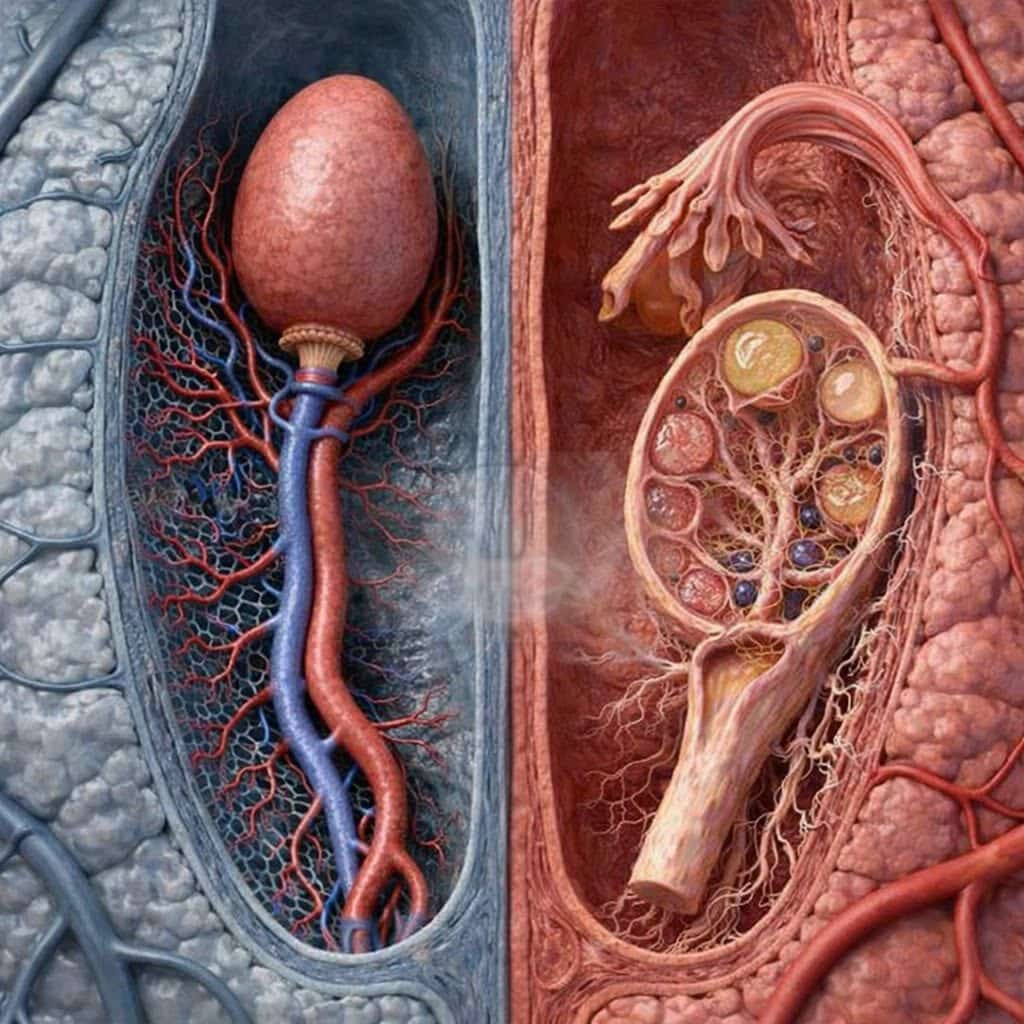
The kidneys are among the hardest-working organs in the human body, yet they often receive little attention until a health problem develops. Every day, these two bean-shaped organs filter waste from the blood, regulate fluid levels, balance important minerals, help control blood pressure, support red blood cell production, and activate vitamin D to maintain healthy bones.
One of the greatest challenges with kidney disease is that it frequently develops without noticeable symptoms during its early stages. Many people feel completely well while gradual damage occurs over months or even years. Learning how the kidneys function, understanding common risk factors, and recognizing potential warning signs can help protect these vital organs and support lifelong health.
Understanding How the Kidneys Work
The kidneys perform several essential tasks that keep the body’s internal systems in balance.
Tiny Filters With an Important Job
Each kidney contains approximately one million microscopic filtering units known as nephrons.
These tiny structures continuously:
- Filter waste products from the bloodstream.
- Remove excess fluid.
- Return important nutrients and proteins to the blood.
- Help regulate electrolyte levels.
- Maintain the body’s fluid balance.
Healthy kidneys also produce hormones that help regulate blood pressure, stimulate red blood cell production, and activate vitamin D for strong bones.
When kidney function begins to decline, these important processes become less efficient. As a result, waste products can build up in the bloodstream, and the body’s normal balance may gradually become disrupted.
Why Kidney Disease Often Goes Unnoticed
Chronic kidney disease is often called a “silent condition” because it may progress for years without causing obvious symptoms.
The kidneys have an impressive ability to compensate for damage. Even when part of their filtering capacity has been lost, the remaining healthy tissue continues to perform many of the kidneys’ essential functions.
Because of this, symptoms often do not appear until kidney function has declined significantly.
For individuals with known risk factors, routine medical checkups and simple blood and urine tests can detect changes in kidney function long before noticeable symptoms develop.
Common Risk Factors for Kidney Disease
Several health conditions and lifestyle factors increase the likelihood of developing chronic kidney disease.
High Blood Pressure and Diabetes
High blood pressure is one of the leading causes of kidney damage worldwide.
Persistently elevated blood pressure places extra strain on the small blood vessels inside the kidneys, gradually reducing their ability to filter blood efficiently.
Diabetes is another major risk factor.
High blood sugar levels can damage the kidneys’ delicate filtering units over time, making it more difficult for them to remove waste effectively.
Managing these conditions through healthy lifestyle choices and prescribed medications, when needed, is one of the most effective ways to protect kidney function.
Obesity and Smoking
Excess body weight increases the risk of developing conditions such as high blood pressure and type 2 diabetes, both of which place additional stress on the kidneys.
Smoking can also harm kidney health by reducing blood flow to the kidneys and damaging blood vessels throughout the body. In people with existing kidney disease, smoking may accelerate disease progression.
Maintaining a healthy weight, staying physically active, and avoiding tobacco products provide important benefits not only for the kidneys but also for overall cardiovascular and metabolic health.
Everyday Habits That Support Healthy Kidneys
While some risk factors for kidney disease cannot be changed, many daily habits can help support healthy kidney function and reduce the likelihood of long-term damage.
Healthy Lifestyle Choices
Small, consistent lifestyle changes can have a significant impact on kidney health.
Some of the most beneficial habits include:
Stay Hydrated
Drinking enough water helps the kidneys remove waste products through urine.
Hydration needs vary depending on age, activity level, climate, and individual medical conditions. For most healthy adults, drinking water consistently throughout the day is more beneficial than waiting until thirst becomes intense.
Eat a Balanced Diet
A nutritious eating pattern supports both kidney health and overall wellness.
A balanced diet should include:
- Vegetables
- Fruits
- Whole grains
- Lean proteins
- Legumes
- Healthy fats
Limiting heavily processed foods may also help reduce sodium intake, which supports healthy blood pressure.
Exercise Regularly
Regular physical activity offers numerous benefits, including:
- Improved circulation
- Better blood pressure control
- Healthier blood sugar levels
- Weight management
Activities such as brisk walking, cycling, swimming, or other moderate exercise performed several times each week can make a meaningful difference.
Get Enough Sleep
Quality sleep supports cardiovascular, metabolic, and immune health—all of which contribute to healthy kidney function.
Most adults benefit from seven to nine hours of sleep each night.
Medications, Warning Signs, and When to Seek Medical Care
Protecting kidney health also involves using medications responsibly and recognizing symptoms that deserve medical attention.
Medications and Kidney Function
Certain medications can affect kidney function, particularly when taken frequently or in large amounts.
Nonsteroidal anti-inflammatory drugs (NSAIDs), commonly used to relieve pain and inflammation, may increase the risk of kidney injury in some individuals, especially those who are dehydrated or already have kidney disease.
To help protect your kidneys:
- Take medications only as directed.
- Avoid exceeding recommended dosages.
- Discuss long-term medication use with your healthcare professional.
- Stay well hydrated unless otherwise advised by your healthcare provider.
Possible Warning Signs
Early kidney disease often produces no symptoms, but more advanced disease may be associated with:
- Swelling of the feet, ankles, or legs
- Persistent fatigue
- Changes in urination frequency or appearance
- Difficulty concentrating
- Muscle cramps
- Persistent itching
- Poor appetite
- Nausea
These symptoms are not specific to kidney disease and may occur with many different medical conditions. However, anyone experiencing persistent or concerning symptoms should seek medical evaluation rather than attempting self-diagnosis.
People who have diabetes, high blood pressure, cardiovascular disease, obesity, a family history of kidney disease, or older age should discuss routine kidney screening with their healthcare provider. Early detection allows treatment to begin before significant kidney damage occurs.
Frequently Asked Questions
Can kidney disease be reversed?
Some forms of acute kidney injury may improve when the underlying cause is treated. However, chronic kidney disease is generally managed by slowing its progression rather than reversing existing damage. Early detection and appropriate medical care are important for preserving kidney function.
Is drinking more water always better for the kidneys?
Not necessarily. Staying adequately hydrated supports healthy kidney function, but excessive water intake is not beneficial for everyone. People with certain medical conditions, including some forms of kidney or heart disease, may need individualized fluid recommendations from their healthcare provider.
Does kidney disease always cause pain?
No. Chronic kidney disease often develops without pain or noticeable symptoms, especially during its early stages. This is why routine health screenings are valuable for people with risk factors such as diabetes or high blood pressure.
Who should have their kidney function checked?
Regular kidney screening is especially important for individuals who have:
- Diabetes
- High blood pressure
- Cardiovascular disease
- Obesity
- A family history of kidney disease
- Older age
Simple blood and urine tests can often detect kidney problems before symptoms become apparent.
What lifestyle habits best support kidney health?
Healthy daily habits include:
- Drinking enough water
- Eating a balanced diet
- Exercising regularly
- Maintaining a healthy weight
- Avoiding tobacco products
- Managing blood pressure and blood sugar
- Taking medications only as directed
- Attending routine medical checkups when appropriate
Together, these habits help protect kidney function and support overall health.
Conclusion
The kidneys work continuously to filter waste, regulate fluids, balance essential minerals, and perform many other vital functions that keep the body healthy. Because kidney disease often develops gradually and without obvious symptoms, prevention and early detection are among the most effective ways to protect these essential organs.
Many of the most significant risk factors—including high blood pressure, diabetes, obesity, and smoking—can be managed through healthy lifestyle choices and appropriate medical care. Drinking enough water, eating a balanced diet, staying physically active, maintaining a healthy weight, and using medications responsibly all contribute to long-term kidney health.
Routine medical checkups are equally important, particularly for individuals with known risk factors. Simple blood and urine tests can identify changes in kidney function before symptoms appear, allowing treatment to begin as early as possible.
While no single habit can guarantee perfect kidney health, consistent healthy choices made over time provide the strongest foundation for protecting kidney function throughout life. By understanding how the kidneys work and responding to potential warning signs promptly, individuals can take meaningful steps toward preserving these remarkable organs and supporting their overall well-being.