
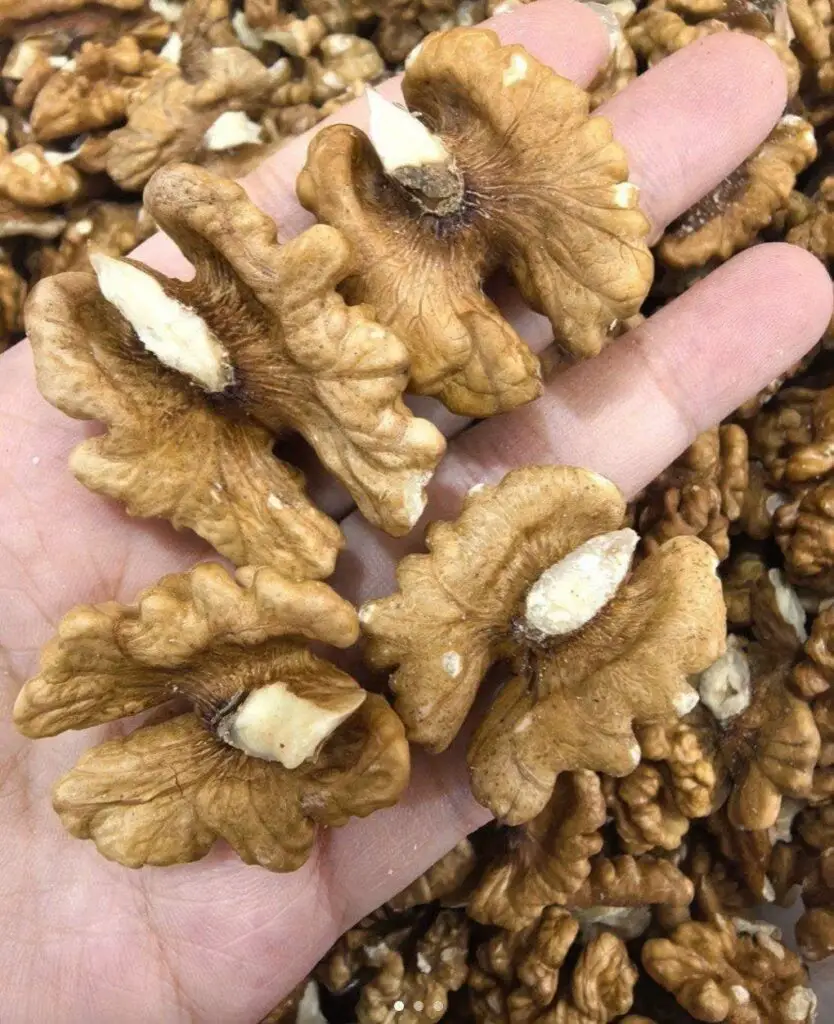
Walnuts have been enjoyed for thousands of years, prized for their rich flavor, satisfying crunch, and impressive nutritional value. Interestingly, their unique shape has long attracted attention because it closely resembles the human brain, complete with two rounded halves and intricate folds.
Centuries ago, some traditional healing practices embraced the idea that foods resembling certain organs could support the health of those organs. While this historical belief—sometimes called the “Doctrine of Signatures”—is not considered scientific evidence, modern nutrition research has revealed something fascinating: walnuts truly do contain nutrients that benefit brain health.
Of course, their advantages don’t stop there.
Research suggests that regularly including moderate amounts of walnuts in a balanced diet may also support heart health, reduce inflammation, and contribute to overall wellness.
Let’s explore why this simple tree nut has earned such an impressive reputation among nutrition experts.
A Nutritional Powerhouse in a Small Package
Despite their modest size, walnuts provide an impressive combination of nutrients.
A one-ounce serving (about seven walnut halves or 28 grams) contains:
- Healthy unsaturated fats
- Plant-based protein
- Dietary fiber
- Vitamin E
- Magnesium
- Copper
- Manganese
- Polyphenol antioxidants
- Plant-based omega-3 fatty acids
Together, these nutrients support many different systems throughout the body.
Why Walnuts Are Especially Good for Brain Health
One reason walnuts receive so much attention is their unique nutritional profile.
Among commonly consumed nuts, walnuts provide the highest amount of alpha-linolenic acid (ALA), a plant-based omega-3 fatty acid.
Omega-3 fats play an important role in maintaining healthy brain cells and supporting communication between neurons.
Although ALA differs from the omega-3s found in fatty fish, it remains an essential nutrient that contributes to overall health.
A single serving of walnuts provides approximately 2.5 grams of ALA, making them one of the richest plant-based sources available.
Rich in Protective Antioxidants
Our bodies naturally produce unstable molecules called free radicals during normal metabolism.
When too many free radicals accumulate, they contribute to oxidative stress, which has been linked to aging and various chronic diseases.
Walnuts contain numerous antioxidant compounds, including:
- Polyphenols
- Vitamin E
- Melatonin
- Plant flavonoids
These substances help protect cells by reducing oxidative damage.
Compared with many other commonly eaten nuts, walnuts consistently rank among the highest in antioxidant activity.
Supporting the Gut-Brain Connection
Scientists continue learning more about the fascinating relationship between the digestive system and the brain.
Often referred to as the gut-brain axis, this communication network allows the digestive tract and nervous system to influence one another.
Walnuts contain both fiber and plant compounds that nourish beneficial gut bacteria.
A healthier gut microbiome has been associated with:
- Improved digestion
- Better immune function
- Reduced inflammation
- Potential benefits for mood and cognitive function
Although research is still developing, maintaining a diverse gut microbiome appears to benefit overall health in many ways.
What Studies Suggest About Memory and Thinking
Several observational studies have examined the relationship between walnut consumption and cognitive performance.
While walnuts cannot prevent or cure memory disorders, research suggests that people who regularly consume nuts as part of a healthy dietary pattern often perform better on certain measures of cognitive function.
Some studies have associated regular walnut intake with improvements in:
- Memory
- Learning
- Processing speed
- Attention
- Executive function
Scientists believe these effects likely result from the combined action of healthy fats, antioxidants, vitamins, and minerals rather than any single nutrient.
However, walnuts work best as one part of an overall healthy lifestyle that includes balanced nutrition, physical activity, quality sleep, and mental stimulation.
Benefits Beyond the Brain
The nutritional value of walnuts extends far beyond cognitive health.
Research has linked regular walnut consumption with several additional health benefits.
Supporting Heart Health
Walnuts contain unsaturated fats that may help improve cholesterol levels when they replace saturated fats in the diet.
Several studies suggest they may contribute to:
- Lower LDL (“bad”) cholesterol
- Improved blood vessel function
- Better overall cardiovascular health
These benefits are especially important because heart and brain health are closely connected.
Helping Reduce Inflammation
Chronic, low-grade inflammation has been associated with many long-term health conditions.
Walnuts contain compounds that may help reduce certain inflammatory markers, particularly when included in an overall healthy dietary pattern rich in fruits, vegetables, whole grains, and other nutrient-dense foods.
Supporting Healthy Blood Sugar
Although walnuts contain fat, they are relatively low in carbohydrates.
Their combination of healthy fats, fiber, and protein may help promote steady blood sugar levels when eaten as part of balanced meals.
Some research also suggests that diets including nuts may improve insulin sensitivity in certain individuals.
A Food Associated With Healthy Aging
Large population studies consistently find that people who regularly consume nuts tend to experience lower rates of certain chronic diseases.
While these studies cannot prove cause and effect, they suggest that including walnuts in an overall nutritious diet may support healthy aging and long-term wellness.
Easy Ways to Add Walnuts to Your Diet
One of the best things about walnuts is how easy they are to incorporate into everyday meals. They require no special preparation and pair well with both sweet and savory foods.
Here are some simple ideas:
Add Them to Breakfast
Sprinkle chopped walnuts over:
- Oatmeal
- Yogurt
- Overnight oats
- Whole-grain cereal
- Smoothie bowls
They add crunch, healthy fats, and satisfying protein that can help keep you feeling full longer.
Mix Them Into Salads
Walnuts provide excellent texture in fresh salads.
They pair particularly well with:
- Spinach
- Arugula
- Apples
- Pears
- Cranberries
- Goat cheese
- Blue cheese
A small handful can transform a simple salad into a more filling meal.
Blend Into Smoothies
Walnuts can be blended into fruit smoothies for added creaminess without dairy.
Try combining them with:
- Banana
- Berries
- Greek yogurt
- Oats
- Cinnamon
- Unsweetened milk
This creates a nutritious breakfast or post-workout snack.
Bake With Them
Walnuts are a classic ingredient in homemade baked goods.
Consider adding them to:
- Banana bread
- Muffins
- Whole-grain pancakes
- Energy bites
- Homemade granola
Their rich flavor complements many recipes naturally.
Enjoy Them as a Snack
Sometimes the simplest option is the best.
A small handful of plain walnuts makes an excellent snack between meals, especially when paired with fresh fruit.
Should Walnuts Be Raw or Toasted?
Both options can be healthy.
Raw walnuts preserve all of their naturally occurring nutrients.
Lightly toasted walnuts develop a richer flavor and crisp texture.
If you toast them at home, use moderate temperatures rather than high heat to help preserve their healthy fats.
Avoid heavily salted or sugar-coated varieties if your goal is overall wellness.
How Much Should You Eat?
Like all nuts, walnuts are nutrient-dense and relatively high in calories.
Most nutrition experts recommend about:
One ounce (28 grams)
or approximately
Seven walnut halves per day.
This serving provides plenty of healthy fats and nutrients without excessive calories.
Eating larger quantities occasionally isn’t harmful for most people, but moderation is generally recommended as part of a balanced diet.
Storing Walnuts Properly
Because walnuts contain a high amount of healthy oils, they can become rancid if stored improperly.
For maximum freshness:
- Keep them in an airtight container.
- Store them in the refrigerator for several months.
- Freeze them for longer storage.
Keeping walnuts cool helps preserve both flavor and nutritional quality.
Who Should Avoid Walnuts?
Although walnuts are highly nutritious for most people, they are not appropriate for everyone.
People with tree nut allergies should avoid walnuts completely unless advised otherwise by an allergy specialist.
Additionally, individuals following medically prescribed diets should consult their healthcare provider before making significant dietary changes.
Frequently Asked Questions
Are walnuts better than other nuts?
Each type of nut offers unique nutritional benefits.
Walnuts stand out because they provide significantly more plant-based omega-3 fatty acids than most other commonly eaten nuts.
Almonds, pistachios, pecans, and hazelnuts are also nutritious choices.
Eating a variety of nuts is often encouraged.
Can walnuts improve memory?
No single food can dramatically improve memory on its own.
However, walnuts contain nutrients that support overall brain health and may contribute to healthy cognitive aging when combined with a balanced diet and healthy lifestyle.
Are walnuts good for the heart?
Yes.
Research suggests that regular walnut consumption may help support healthy cholesterol levels and cardiovascular health as part of an overall heart-healthy eating pattern.
Can walnuts help reduce inflammation?
Studies indicate that walnuts contain several compounds with anti-inflammatory properties.
While they are not a treatment for inflammatory diseases, including them in a balanced diet may contribute to lower overall inflammation.
Is it okay to eat walnuts every day?
For most healthy adults, yes.
A moderate daily serving can be a nutritious addition to an overall balanced eating plan.
Final Thoughts
Walnuts may be small, but they deliver an impressive combination of nutrients that support health in many ways. Rich in plant-based omega-3 fatty acids, antioxidants, fiber, vitamins, and minerals, they have earned a reputation as one of the most nutritious nuts available.
Although their resemblance to the human brain has fascinated people for centuries, their benefits are supported by modern nutrition research rather than appearance alone. Regularly including walnuts in a healthy diet may help support brain function, heart health, healthy aging, and overall wellness.
The best part is that enjoying their benefits doesn’t require dramatic dietary changes. A small handful each day—added to breakfast, salads, baked goods, or enjoyed as a simple snack—is enough to make walnuts an easy and delicious part of a balanced lifestyle.
Rather than looking for a single “superfood,” remember that lasting health comes from consistent, nutritious choices. Walnuts can be one valuable piece of that bigger picture, offering both great taste and impressive nutritional value with every serving.