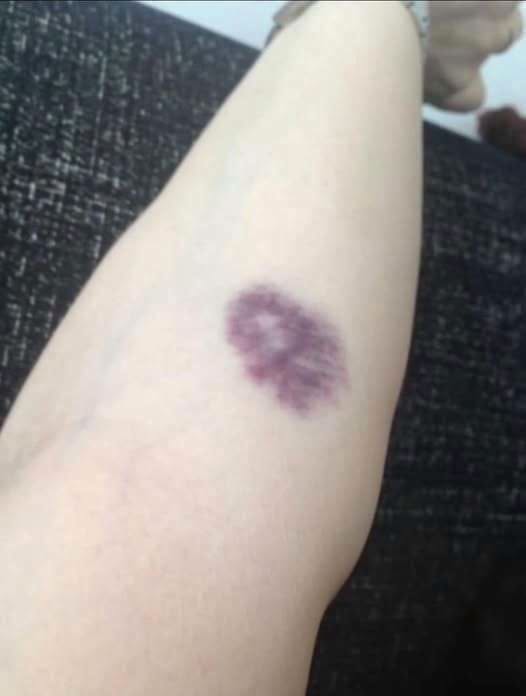
Bruises are something almost everyone experiences from time to time. You bump into the corner of a table, carry a heavy box against your leg, or accidentally hit your arm on a doorframe. A few hours later, a blue or purple mark appears, reminding you of the impact.
Most bruises are completely harmless and disappear on their own within a couple of weeks. However, there are times when bruising deserves closer attention. If bruises begin appearing without any obvious injury, occur frequently, are unusually large, or are accompanied by other symptoms, they may indicate an underlying medical condition that should be evaluated by a healthcare professional.
While many people immediately worry about serious illnesses such as cancer, the reality is that unexplained bruising has many possible causes. Some are relatively minor, while others require prompt medical attention. Understanding the differences can help you recognize when it is appropriate to seek medical advice.
What Is a Bruise?
A bruise, also called a contusion, occurs when tiny blood vessels beneath the skin break after an injury.
Instead of blood leaving the body, it becomes trapped beneath the skin, creating the familiar discoloration.
Bruises typically change color as they heal:
- Red or pink shortly after injury
- Blue or purple within the first few days
- Green as healing progresses
- Yellow or brown before disappearing completely
Most bruises heal naturally without treatment.
Why Some People Bruise More Easily
Not everyone bruises at the same rate.
Several normal factors can increase bruising, including:
Aging
As people grow older, skin becomes thinner and loses some of its protective fat layer.
Blood vessels also become more fragile, making bruises easier to develop.
Fair Skin
Bruises may simply be more visible on lighter skin tones.
Physical Activity
Sports and exercise naturally increase the likelihood of small impacts.
Genetics
Some individuals inherit more delicate blood vessels than others.
These situations are generally not cause for concern.
Common Medical Causes of Unexplained Bruising
When bruises appear without injury, healthcare providers often consider several possible explanations.
Vitamin Deficiencies
Certain nutrients help maintain healthy blood vessels and normal blood clotting.
Deficiencies in:
- Vitamin C
- Vitamin K
- Vitamin B12
- Folate
may contribute to easier bruising in some individuals.
A balanced diet often helps support healthy skin and circulation.
Certain Medications
Several medications can increase bruising, including:
- Blood thinners
- Aspirin
- Some anti-inflammatory medications
- Corticosteroids
These medicines may reduce the blood’s ability to clot or make blood vessels more fragile.
Never stop prescribed medication without consulting your healthcare provider.
Liver Disease
The liver produces many proteins involved in blood clotting.
When liver function becomes impaired, bruising may occur more easily.
Other symptoms may include:
- Fatigue
- Yellowing of the skin or eyes
- Abdominal swelling
- Dark urine
Blood Disorders
Certain blood disorders affect platelets or clotting factors.
Platelets help stop bleeding after injuries.
When platelet numbers become too low or clotting proteins do not function properly, bruising may occur more frequently.
Can Bruising Be a Sign of Cancer?
Although unusual bruising can sometimes occur with certain blood cancers such as leukemia, it is not a reliable indicator of cancer by itself.
Blood cancers can interfere with normal blood cell production, including platelets that help control bleeding.
When platelet counts become very low, individuals may develop:
- Frequent bruising
- Tiny red or purple spots on the skin (petechiae)
- Frequent nosebleeds
- Bleeding gums
However, these symptoms are usually accompanied by other signs such as:
- Persistent fatigue
- Frequent infections
- Fever
- Night sweats
- Unexplained weight loss
- Swollen lymph nodes
Because many non-cancerous conditions can also cause bruising, only a medical evaluation can determine the underlying cause.
Warning Signs That Should Not Be Ignored
While occasional bruises are normal, certain situations deserve prompt medical attention.
Contact a healthcare professional if you experience:
- Bruises that appear without injury
- Multiple bruises developing repeatedly
- Very large bruises after minor bumps
- Bruising together with unusual bleeding
- Blood in urine or stool
- Frequent nosebleeds
- Bleeding gums
- Persistent fatigue
- Unexplained fever
- Significant weight loss
These symptoms do not necessarily indicate a serious illness, but they should be evaluated.
When Bruises May Be an Emergency
Seek immediate medical care if bruising occurs after:
- A serious fall
- Head injury
- Major accident
- Severe abdominal trauma
Emergency evaluation is also appropriate if bruising is accompanied by:
- Difficulty breathing
- Severe headache
- Confusion
- Loss of consciousness
- Heavy uncontrolled bleeding
How Doctors Evaluate Unexplained Bruising
A healthcare provider will usually begin by asking questions about:
- Recent injuries
- Current medications
- Family history
- Diet
- Previous bleeding problems
- Other symptoms
Depending on the situation, tests may include:
- Complete blood count (CBC)
- Platelet count
- Blood clotting tests
- Liver function tests
- Vitamin level assessments
Additional testing may be recommended if an underlying disorder is suspected.
Can Lifestyle Affect Bruising?
Yes.
Several lifestyle factors influence bruising.
Poor Nutrition
Eating too few fruits, vegetables, and protein-rich foods may contribute to nutrient deficiencies.
Excessive Alcohol
Heavy alcohol consumption may affect liver function and nutrition.
Smoking
Smoking can weaken blood vessels and slow healing.
Lack of Physical Activity
Regular exercise supports circulation and overall health.
Supporting Healthy Blood Vessels
Although bruises cannot always be prevented, healthy habits help support normal blood vessel function.
These include:
- Eating a balanced diet
- Staying hydrated
- Getting adequate vitamin C from fruits and vegetables
- Including leafy greens for vitamin K
- Exercising regularly
- Avoiding smoking
- Limiting excessive alcohol
These habits support overall health, even if they cannot prevent every bruise.
Frequently Asked Questions
Are unexplained bruises always serious?
No. Many cases result from medications, aging, minor injuries that went unnoticed, or nutritional deficiencies. However, persistent or unusual bruising should be evaluated.
How long should a normal bruise last?
Most bruises improve within one to two weeks, although larger bruises may take longer.
Should I worry if bruises appear often?
Frequent unexplained bruises deserve discussion with a healthcare provider, especially if accompanied by other symptoms.
Can stress cause bruises?
Stress itself is not generally considered a direct cause of bruising, although certain medical conditions associated with stress or medications may contribute indirectly.
Final Thoughts
Bruises are a normal part of life, and in most cases they result from minor injuries that heal without treatment. However, unexplained, frequent, or unusually severe bruising should not be ignored. While some causes are relatively harmless, others may require medical evaluation and treatment.
It’s important to remember that bruising alone does not mean someone has cancer. Many different conditions—including vitamin deficiencies, medications, liver disease, and blood disorders—can produce similar symptoms. If bruising occurs alongside persistent fatigue, unusual bleeding, recurrent infections, unexplained weight loss, or other concerning changes, seeking medical advice is the safest course of action.
Paying attention to your body’s signals and consulting a qualified healthcare professional when something seems unusual can help identify problems early and provide peace of mind.