
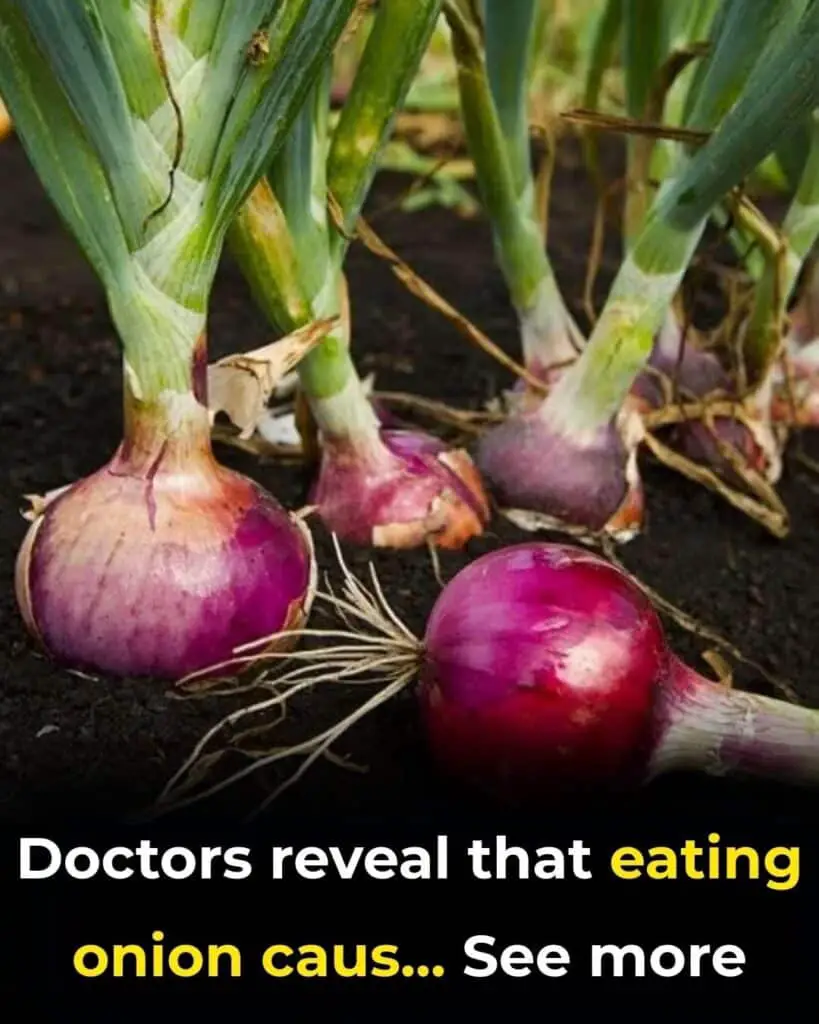
Walk into almost any kitchen in the world, and you’re likely to find onions nearby. Whether they’re sizzling in a pan, simmering in a soup, or adding crunch to a fresh salad, onions have been a staple ingredient in human diets for thousands of years.
Yet despite their popularity, onions are often surrounded by conflicting claims. One day they’re praised as a powerful superfood. The next day, alarming headlines suggest they cause digestive problems, bad breath, inflammation, or even serious disease.
So what is the truth?
What actually happens inside your body when you eat onions?
According to nutrition experts, gastroenterologists, and cardiovascular researchers, onions are among the most nutrient-dense vegetables commonly consumed around the world. For most people, eating onions regularly provides significant health benefits that support the heart, digestive system, immune function, and overall wellness.
However, like many foods, onions are not perfect for everyone. Certain individuals may experience digestive discomfort, acid reflux, or food sensitivities that make onions less enjoyable.
The key is understanding the difference between evidence-based science and internet myths.
Let’s take a closer look at what doctors and researchers really say happens when you eat onions.
The Remarkable Nutritional Profile of Onions
At first glance, onions may seem simple.
They contain relatively few calories and are composed primarily of water and carbohydrates. Yet beneath that humble exterior lies an impressive collection of beneficial compounds.
A typical onion contains:
- Vitamin C
- Vitamin B6
- Folate
- Potassium
- Manganese
- Fiber
- Sulfur compounds
- Flavonoids
- Antioxidants
Perhaps most importantly, onions are rich in quercetin, one of the most extensively studied plant antioxidants.
Quercetin has attracted scientific interest because of its potential anti-inflammatory, antioxidant, and cardiovascular benefits.
Unlike many expensive supplements marketed as miracle solutions, onions naturally provide these compounds in a form humans have consumed safely for centuries.
What Happens to Your Heart When You Eat Onions?
One of the most exciting areas of onion research involves cardiovascular health.
Heart disease remains one of the leading causes of death worldwide, prompting scientists to investigate dietary factors that may help reduce risk.
Several compounds found in onions appear to support heart health in multiple ways.
Reduced Inflammation
Chronic inflammation contributes to the development of many cardiovascular diseases.
The quercetin found in onions may help reduce inflammatory activity throughout the body.
Lower inflammation is associated with healthier blood vessels and improved cardiovascular function.
Better Blood Pressure Control
Research suggests that flavonoids and sulfur compounds in onions may support healthy blood pressure levels.
These compounds appear to help blood vessels relax and function more efficiently.
Improved Cholesterol Balance
Some studies indicate that onion consumption may contribute to healthier cholesterol profiles by helping reduce levels of LDL cholesterol while supporting overall cardiovascular health.
Although onions are not a substitute for medical treatment, they can be a valuable component of a heart-friendly diet.
Your Gut Microbiome Loves Onions
One of the most fascinating discoveries in modern nutrition involves the gut microbiome.
Trillions of microorganisms live within the digestive tract.
These bacteria influence:
- Digestion
- Immunity
- Metabolism
- Mood
- Inflammation
- Nutrient absorption
To thrive, beneficial gut bacteria require specific forms of dietary fiber.
Fortunately, onions contain large amounts of prebiotic fibers, particularly inulin and fructooligosaccharides.
Unlike ordinary carbohydrates, these fibers pass through the digestive system relatively unchanged until they reach the colon.
There, beneficial bacteria use them as food.
As these microbes flourish, they produce compounds that support digestive and immune health.
For many individuals, regular onion consumption contributes to a healthier and more diverse gut microbiome.
Onions and Blood Sugar Regulation
Blood sugar control has become an increasingly important health concern.
Millions of people struggle with insulin resistance, prediabetes, or type 2 diabetes.
Interestingly, onions contain compounds that may support healthier glucose metabolism.
Researchers have identified sulfur-containing compounds that appear to influence insulin sensitivity and glucose regulation.
While onions are not a treatment for diabetes, they can fit well within dietary patterns designed to support stable blood sugar levels.
Because onions are low in calories and contain fiber, they also help add flavor and volume to meals without significantly increasing carbohydrate intake.
Powerful Antioxidant Protection
Every day, the body produces unstable molecules called free radicals.
These molecules can damage cells through a process known as oxidative stress.
Over time, oxidative stress has been linked to:
- Aging
- Heart disease
- Certain cancers
- Neurodegenerative disorders
- Chronic inflammation
Antioxidants help neutralize free radicals before they cause significant damage.
Onions provide a wide variety of antioxidants, including:
- Quercetin
- Anthocyanins (especially in red onions)
- Sulfur compounds
- Flavonoids
These compounds work together to help protect cells from oxidative damage.
This protective effect is one reason vegetables like onions are consistently associated with better long-term health outcomes.
Can Onions Support the Immune System?
Many people associate immune health with vitamin C.
While onions are not as rich in vitamin C as citrus fruits, they still contribute meaningful amounts.
More importantly, onions support immune function through multiple mechanisms.
Their antioxidants help reduce oxidative stress.
Their prebiotic fibers nourish beneficial gut bacteria.
Their sulfur compounds possess antimicrobial properties.
Since much of the immune system is closely connected to the digestive tract, maintaining a healthy microbiome indirectly supports immune resilience.
This may help explain why onions have been valued in traditional healing systems for centuries.
Why Some People Experience Digestive Discomfort
Despite their many benefits, onions do not agree with everyone.
One of the most common complaints involves bloating, gas, and digestive discomfort.
The reason lies in their high FODMAP content.
FODMAPs are fermentable carbohydrates that can be difficult for some people to digest.
When these carbohydrates reach the colon, gut bacteria rapidly ferment them.
This fermentation process produces gas.
For many people, this causes no issues whatsoever.
However, individuals with irritable bowel syndrome (IBS) may experience:
- Bloating
- Cramping
- Gas
- Abdominal discomfort
- Changes in bowel habits
In these cases, reducing onion intake may improve symptoms.
Onions and Acid Reflux
Another group that sometimes struggles with onions includes people who suffer from gastroesophageal reflux disease (GERD).
The lower esophageal sphincter acts as a valve separating the stomach from the esophagus.
Certain foods can relax this valve.
For some individuals, onions may contribute to acid reflux symptoms such as:
- Heartburn
- Chest discomfort
- Sour taste in the mouth
- Regurgitation
Raw onions are often more problematic than cooked onions.
Cooking alters many compounds responsible for irritation.
Many people with mild reflux find they tolerate sautéed or roasted onions much better than raw slices.
The Real Reason Onions Cause Bad Breath
Few foods have a stronger reputation for causing bad breath.
The explanation is surprisingly interesting.
When onions are digested, sulfur-containing compounds enter the bloodstream.
These compounds eventually reach the lungs.
As you exhale, sulfur molecules leave the body through your breath.
This process can continue for hours after eating onions.
Unlike food particles trapped in the mouth, this odor originates internally.
Brushing your teeth helps, but it may not eliminate the smell completely.
Many people find relief through:
- Drinking water
- Eating apples
- Consuming parsley
- Drinking milk
Fortunately, the effect is temporary.
Why Onions Make You Cry
Almost everyone has experienced tears while cutting onions.
This reaction results from a sophisticated defense mechanism developed by the plant.
When onion cells are damaged, enzymes mix with sulfur-containing compounds.
This reaction produces a gas called syn-propanethial-S-oxide.
When the gas reaches the eyes, it reacts with moisture and forms a mild irritant.
The eyes respond by producing tears to wash away the substance.
Although annoying, the reaction is harmless.
Simple tricks can reduce tearing:
- Chill onions before cutting
- Use a sharp knife
- Cut under ventilation
- Wear protective eyewear
Debunking Popular Onion Myths
Despite extensive research, numerous myths about onions continue circulating online.
Myth #1: Onions Cause Cancer
There is no evidence that normal onion consumption causes cancer.
In fact, many studies suggest the opposite.
Diets rich in vegetables, including onions, are often associated with lower cancer risk.
Myth #2: Cut Onions Become Toxic Overnight
This myth has persisted for decades.
The reality is simple.
Cut onions may lose freshness, flavor, and texture over time, but they do not become poisonous when stored properly in the refrigerator.
Myth #3: Onions Absorb Viruses From the Air
There is no scientific evidence supporting this claim.
Onions do not function as airborne virus magnets.
Myth #4: Everyone Should Avoid Onions
Most healthy individuals can safely consume onions as part of a balanced diet.
Only those with specific sensitivities need to exercise caution.
Which Type of Onion Is Healthiest?
Different onion varieties offer slightly different nutritional profiles.
Yellow Onions
The most commonly used variety.
Excellent all-purpose choice.
Rich in antioxidants.
Red Onions
Contain anthocyanins responsible for their deep color.
These compounds provide additional antioxidant benefits.
White Onions
Slightly milder flavor.
Popular in many fresh dishes.
Sweet Onions
Lower sulfur content.
Often easier to eat raw.
All varieties provide valuable nutrients and can contribute to a healthy diet.
How Much Onion Should You Eat?
There is no universally recommended amount.
Most research examines diets that include onions regularly rather than specific daily targets.
For most people, consuming onions several times per week is both safe and beneficial.
Moderation remains important.
Like any food, onions work best as part of a diverse dietary pattern rich in vegetables, fruits, whole grains, lean proteins, and healthy fats.
The Medical Consensus
After reviewing decades of nutritional research, the medical community largely agrees on one conclusion:
For the vast majority of people, onions are a highly nutritious food associated with numerous health benefits.
They support:
- Heart health
- Digestive health
- Immune function
- Blood sugar regulation
- Antioxidant protection
Although certain individuals may experience digestive sensitivity or acid reflux symptoms, these situations represent exceptions rather than the rule.
Most people can enjoy onions without concern.
Final Thoughts
Doctors reveal that eating onions causes many things—but not the frightening outcomes often promoted by sensational headlines.
For most individuals, onions contribute to better health rather than harm.
They nourish beneficial gut bacteria, provide powerful antioxidants, support cardiovascular health, and add flavor to meals without excessive calories.
Like all foods, onions are not perfect for everyone. Some people may experience bloating, reflux, or food sensitivities that require adjustments.
However, for the majority of healthy adults, onions remain one of the most valuable and versatile vegetables available.
The next time you see a headline warning you to stop eating onions, remember this: science tells a very different story.
Far from being dangerous, onions have earned their place in kitchens around the world through centuries of safe use and a growing body of evidence supporting their impressive health benefits.
Sometimes the simplest foods turn out to be the most remarkable.