Have you ever looked down at your feet and wondered if they reveal something deeper about who you are?
It may sound unusual, but foot shape personality tests have captivated millions of people across social media platforms, blogs, and online quizzes. These fascinating theories suggest that the length and arrangement of your toes may reveal hidden insights about your character, emotions, relationships, and even your future success.
From the artistic Egyptian foot to the energetic Greek foot, these classifications have become a favorite topic among people seeking fun ways to learn more about themselves.
But is there any truth behind these claims?
Can the shape of your foot really reveal your personality, or is it simply another entertaining internet trend?
Let’s take a deep dive into the world of foot shape personality theories, explore what each foot type supposedly says about you, examine the science behind these claims, and discover what your feet can actually tell you about your health and ancestry.
Why Foot Shape Personality Tests Have Become So Popular
Humans have always been fascinated by personality assessments.
From astrology and zodiac signs to handwriting analysis and personality quizzes, people naturally seek ways to understand themselves better.
Foot shape personality tests combine curiosity, simplicity, and visual appeal. Unlike lengthy psychological assessments, these tests require only a quick glance at your toes.
Within seconds, you can supposedly uncover secrets about your strengths, weaknesses, relationships, and life path.
The simplicity is part of their charm.
Social media has amplified their popularity because they’re easy to share and discuss. Friends compare foot shapes, families debate their results, and people enjoy discovering whether the descriptions feel accurate.
The real question, however, is whether these claims have any scientific basis.
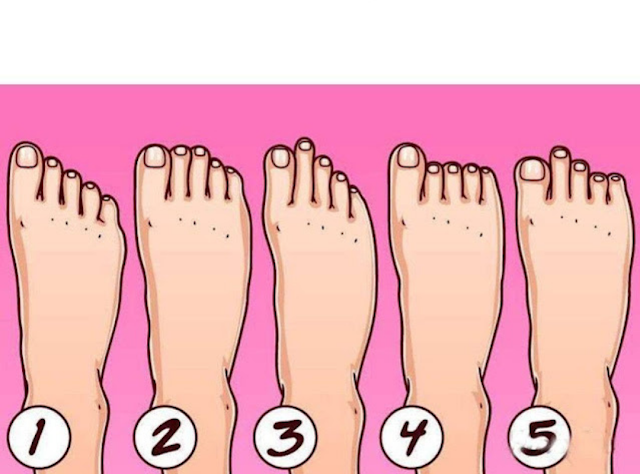
Before we answer that, let’s explore the five most commonly discussed foot shapes.
The Egyptian Foot: The Dreamer and Visionary
The Egyptian foot is the most common foot shape worldwide.
It is characterized by a long big toe, with each subsequent toe gradually decreasing in length.
The toes form a smooth diagonal line, creating an elegant appearance that many consider aesthetically pleasing.
Personality Traits Associated with Egyptian Feet
According to popular personality theories, people with Egyptian feet tend to be:
- Creative
- Imaginative
- Idealistic
- Thoughtful
- Independent
- Private
Many descriptions portray Egyptian-footed individuals as dreamers who spend a great deal of time reflecting on life.
They are often said to possess strong artistic abilities and a rich inner world filled with ideas and inspiration.
Relationships and Social Life
Personality tests frequently claim that Egyptian-footed people value deep emotional connections.
Rather than maintaining large social circles, they prefer a small group of trusted friends.
They are described as loyal, compassionate, and emotionally intelligent individuals who seek meaningful relationships rather than superficial interactions.
Career Strengths
According to these theories, Egyptian-footed individuals often thrive in creative fields such as:
- Writing
- Art
- Music
- Design
- Photography
- Entrepreneurship
Their ability to think differently supposedly helps them innovate and inspire others.
The Greek Foot: The Energetic Innovator
The Greek foot, also known medically as Morton’s Toe, features a second toe that extends beyond the big toe.
This distinctive shape has been admired throughout history and appears frequently in classical Greek sculptures.
Personality Traits Associated with Greek Feet
Popular descriptions suggest these individuals are:
- Energetic
- Charismatic
- Creative
- Passionate
- Enthusiastic
- Adventurous
People with Greek feet are often portrayed as natural leaders who thrive on excitement and new experiences.
They enjoy challenges and are rarely content with routine.
Leadership Abilities
Many personality theories suggest Greek-footed individuals possess strong leadership qualities.
They are thought to be:
- Motivated
- Confident
- Persuasive
- Ambitious
These qualities supposedly make them successful in business, sports, and leadership positions.
Emotional Characteristics
Greek-footed people are often described as deeply passionate.
They invest significant energy into their goals, relationships, and interests.
This passion can be both a strength and a challenge, as they may sometimes become impatient when things don’t move as quickly as they would like.
The Roman Foot: The Natural Leader
The Roman foot features the first three toes at approximately the same length, while the remaining two toes become progressively shorter.
This shape creates a balanced and symmetrical appearance.
Personality Traits Associated with Roman Feet
According to popular interpretations, Roman-footed individuals are:
- Confident
- Sociable
- Responsible
- Outgoing
- Reliable
- Charismatic
Many descriptions portray them as natural leaders who feel comfortable in social situations.
Social Strengths
People with Roman feet are often said to enjoy meeting new people.
They are believed to possess strong communication skills and can easily adapt to different social environments.
Because of this, they frequently become the center of attention without actively seeking it.
Professional Characteristics
Roman-footed individuals are commonly associated with:
- Business leadership
- Public speaking
- Sales
- Management
- Politics
Their confidence and decisiveness supposedly help them excel in careers that require interpersonal skills.
The Square Foot: The Practical Thinker
The Square Foot, also known as the Peasant Foot, is characterized by toes that are nearly identical in length.
The front of the foot appears relatively flat or square-shaped.
Personality Traits Associated with Square Feet
According to popular beliefs, people with Square Feet are:
- Practical
- Honest
- Dependable
- Logical
- Analytical
- Grounded
These individuals are often portrayed as problem-solvers who prefer facts over emotions.
Decision-Making Style
Square-footed people are believed to approach decisions carefully.
Rather than acting impulsively, they analyze situations thoroughly before choosing a course of action.
This makes them valuable advisors and trustworthy friends.
Work Ethic
Personality tests frequently describe them as hardworking and responsible.
They value stability and often excel in careers requiring attention to detail and consistent performance.
The Celtic Foot: The Adventurous Spirit
The Celtic Foot does not fit neatly into the previous categories.
It often features a combination of toe lengths, with a long second toe, varying middle toes, and a unique overall appearance.
Personality Traits Associated with Celtic Feet
People with Celtic Feet are often described as:
- Energetic
- Adventurous
- Creative
- Independent
- Spontaneous
- Curious
Love of New Experiences
These individuals supposedly thrive on variety and change.
Routine can feel restrictive to them, so they constantly seek new challenges, destinations, and opportunities.
Adaptability
One of the most common traits attributed to Celtic-footed individuals is adaptability.
They are believed to handle unexpected situations well and often find creative solutions to problems.
The Science Behind Foot Shape
Now for the important question:
Is there any scientific evidence connecting foot shape to personality?
The answer is simple.
No.
There is currently no scientific research proving that foot shape influences personality traits.
No reputable psychological studies have established a connection between toe length and characteristics such as creativity, leadership, intelligence, or emotional behavior.
What Actually Determines Foot Shape?
Foot shape is primarily influenced by:
- Genetics
- Bone structure
- Ethnicity
- Developmental factors
- Family inheritance
Your personality develops through a complex interaction of:
- Genetics
- Environment
- Experiences
- Education
- Relationships
- Life events
The shape of your toes does not determine whether you are outgoing, shy, creative, or ambitious.
Why Do These Tests Feel So Accurate?
Despite lacking scientific support, many people feel these descriptions fit them remarkably well.
Psychologists explain this through a phenomenon called the Barnum Effect.
Understanding the Barnum Effect
The Barnum Effect occurs when people accept vague, general descriptions as uniquely personal.
Statements such as:
- “You care deeply about others.”
- “You sometimes doubt yourself.”
- “You have untapped potential.”
apply to most people.
Because the descriptions feel positive and relatable, we interpret them as highly accurate.
Foot shape personality tests use this psychological principle effectively.
What Your Foot Shape Can Actually Reveal
Although foot shape cannot determine personality, it can provide useful information about your physical health.
Shoe Selection
Different foot shapes require different shoe designs.
For example:
- Greek feet may need extra room in the toe box.
- Square feet often fit comfortably in wider footwear.
- High arches may require specialized support.
Athletic Performance
Foot structure can influence:
- Running mechanics
- Balance
- Stability
- Pressure distribution
Athletes often work with specialists to understand how their foot shape affects performance.
Potential Health Issues
Certain foot structures may increase the likelihood of:
- Bunions
- Calluses
- Plantar fasciitis
- Metatarsalgia
- Toe crowding
Understanding your foot shape can help prevent discomfort and injury.
Foot Shape and Ancestry
Anthropologists have observed that some foot shapes appear more frequently in certain populations.
For example:
- Egyptian feet are common throughout many regions of Europe and North Africa.
- Greek feet appear frequently in Mediterranean populations.
- Roman feet can be found across various European groups.
However, these are broad patterns rather than strict rules.
Human genetic diversity means enormous variation exists within every population.
Why People Continue to Love Personality Quizzes
Even when we know these quizzes aren’t scientifically accurate, they remain enjoyable.
Why?
Because they satisfy several deeply human desires:
Self-Discovery
People naturally want to understand themselves better.
Connection
Sharing quiz results creates conversation and bonding opportunities.
Entertainment
They’re fun and harmless.
Reflection
Even inaccurate personality descriptions can encourage meaningful self-reflection.
Sometimes the value isn’t whether the test is true, but whether it inspires thoughtful consideration about who we are.
The Real Secret to Personality
The truth is far more interesting than any foot shape theory.
Your personality is shaped by:
- Your experiences
- Your values
- Your relationships
- Your choices
- Your goals
- Your resilience
No measurement of your toes can fully capture your complexity.
You are constantly growing, learning, and evolving.
That journey is far richer than any personality label.
Final Thoughts
Foot shape personality tests are entertaining, fascinating, and fun to share with friends.
Whether you have Egyptian, Greek, Roman, Square, or Celtic feet, these classifications can spark enjoyable conversations and moments of self-reflection.
However, it’s important to remember that they are not supported by scientific evidence.
Your foot shape is determined by genetics and anatomy, not by your character, intelligence, or destiny.
What truly defines you are your actions, your decisions, your kindness, your courage, and the way you navigate the world each day.
So take a look at your feet, enjoy the quiz, and have fun comparing results with friends.
Just remember that your toes may carry you through life—but they do not determine who you are.
And that is what makes every person wonderfully unique.