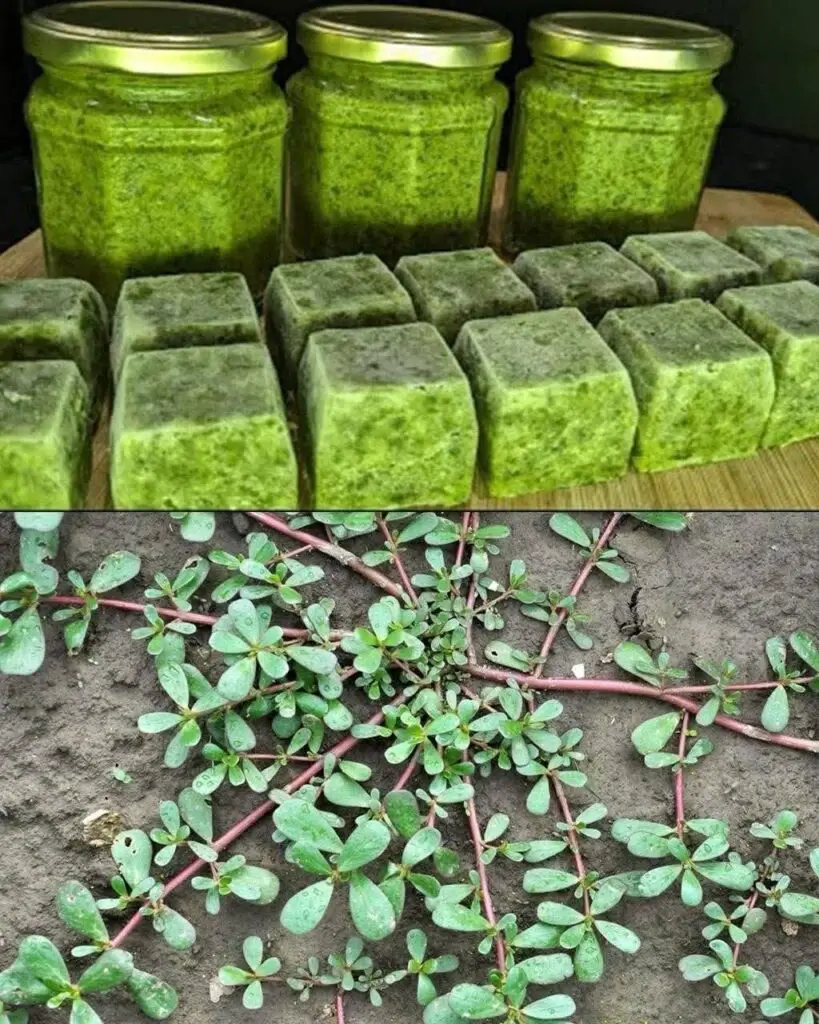
Purslane (Portulaca oleracea) is one of the most overlooked edible plants in the world. Often dismissed as a common garden weed, this succulent leafy plant has been consumed for centuries in many cultures and is valued for its impressive nutritional profile.
With its crisp texture, slightly lemony flavor, and abundance of vitamins, minerals, and plant compounds, purslane has earned a reputation as a nutrient-dense food that may support healthy aging.
While it is not a miracle cure, adding purslane to a balanced diet can contribute valuable nutrients that support overall health.
What Is Purslane?
Purslane is a low-growing succulent plant recognized by:
- Smooth reddish stems
- Thick, fleshy green leaves
- Small yellow flowers
- A slightly tangy, citrus-like flavor
It grows naturally in many parts of the world and has long been used in traditional culinary and herbal practices.
Why It Stands Out Nutritionally
Purslane contains:
- Vitamin A
- Vitamin C
- Vitamin E
- Magnesium
- Potassium
- Calcium
- Iron
- Plant antioxidants
- Alpha-linolenic acid (ALA), a plant-based omega-3 fatty acid
Among leafy vegetables, purslane is notable for containing relatively high amounts of ALA omega-3s.
Potential Benefits of Eating Purslane Regularly
1. Supports Heart Health
One reason purslane attracts scientific interest is its omega-3 content.
ALA omega-3 fatty acids are associated with:
- Cardiovascular health
- Healthy cholesterol balance
- Reduced inflammation
- Blood vessel support
Purslane also provides potassium and magnesium, two minerals that contribute to normal heart and muscle function.
While purslane alone cannot prevent heart disease, it can be part of a heart-healthy diet.
2. Provides Powerful Antioxidants
As we age, oxidative stress gradually affects cells throughout the body.
Purslane contains several antioxidant compounds, including:
- Beta-carotene
- Vitamin C
- Vitamin E
- Flavonoids
- Betalains
These compounds help neutralize free radicals and support cellular health.
A diet rich in antioxidant-containing foods is generally associated with healthy aging.
3. May Support Joint and Inflammatory Health
Chronic low-grade inflammation becomes more common with age.
The combination of antioxidants and omega-3 fatty acids found in purslane may help support the body’s normal inflammatory balance.
However, it’s important to understand that purslane is a food—not a treatment for arthritis or inflammatory diseases.
Its benefits are most likely to occur as part of an overall healthy dietary pattern.
4. Supports Digestive Health
Purslane contains:
- Water
- Fiber
- Mucilage (a gel-like plant compound)
These components may support digestive comfort and regular bowel function.
Many traditional cultures have used purslane as a food that is gentle on digestion.
Including fiber-rich vegetables such as purslane can contribute to overall gastrointestinal health.
5. Provides Nutrients Important for Healthy Skin
Healthy skin depends on adequate nutrition.
Purslane provides nutrients involved in skin maintenance, including:
- Vitamin A
- Vitamin C
- Vitamin E
These nutrients contribute to:
- Normal collagen production
- Skin repair
- Protection against oxidative damage
Although no single food can prevent skin aging, nutrient-rich vegetables can support healthy skin from within.
6. May Contribute to Healthy Brain Function
The brain relies on a continuous supply of nutrients throughout life.
Purslane contributes:
- Antioxidants
- Minerals
- Plant omega-3 fatty acids
Research suggests that diets rich in fruits, vegetables, and omega-3-containing foods may support long-term cognitive health.
However, claims that purslane directly prevents dementia or reverses memory loss are not supported by current evidence.
7. May Help Promote Better Sleep
Purslane contains naturally occurring melatonin, a hormone involved in regulating sleep-wake cycles.
Researchers have identified melatonin in numerous fruits and vegetables, including purslane.
While the amount varies and is generally much lower than supplemental melatonin, consuming melatonin-containing foods may contribute to overall dietary intake.
More research is needed to determine the practical effects of dietary melatonin on sleep quality.
Easy Ways to Eat Purslane
Purslane’s mild flavor makes it easy to incorporate into meals.
Raw
Add fresh leaves and stems to:
- Salads
- Sandwiches
- Wraps
- Grain bowls
Cooked
Purslane can be:
- Sautéed with garlic
- Added to soups
- Stirred into stews
- Mixed into omelets
Smoothies
Its mild flavor blends well with:
- Spinach
- Cucumber
- Apple
- Lemon
Pickled
In some cultures, purslane is pickled and served as a tangy side dish.
Safety Considerations
Although purslane is generally considered safe as a food, there are a few things to keep in mind.
Oxalates
Purslane contains oxalates, naturally occurring compounds found in many vegetables.
Individuals with a history of calcium oxalate kidney stones may wish to discuss intake with their healthcare provider.
Harvest Carefully
If foraging:
- Avoid roadsides with heavy traffic
- Avoid pesticide-treated areas
- Avoid locations frequented by pets
Correct identification is essential because some plants can resemble purslane.
Start Gradually
If you have never eaten purslane before, begin with small amounts and monitor how your body responds.
Final Thoughts
Purslane is an unusually nutrient-rich edible plant that offers vitamins, minerals, antioxidants, fiber, and plant-based omega-3 fatty acids. While it is sometimes dismissed as a weed, it has a long history as both a food and a traditional medicinal plant.
For adults over 60, incorporating nutrient-dense foods like purslane may help support overall health as part of a balanced diet rich in fruits, vegetables, legumes, whole grains, and healthy fats.
The greatest value of purslane is not that it performs miracles, but that it provides meaningful nutrition in a simple, affordable, and natural package.
Sometimes the healthiest foods are the ones growing quietly right in front of us.