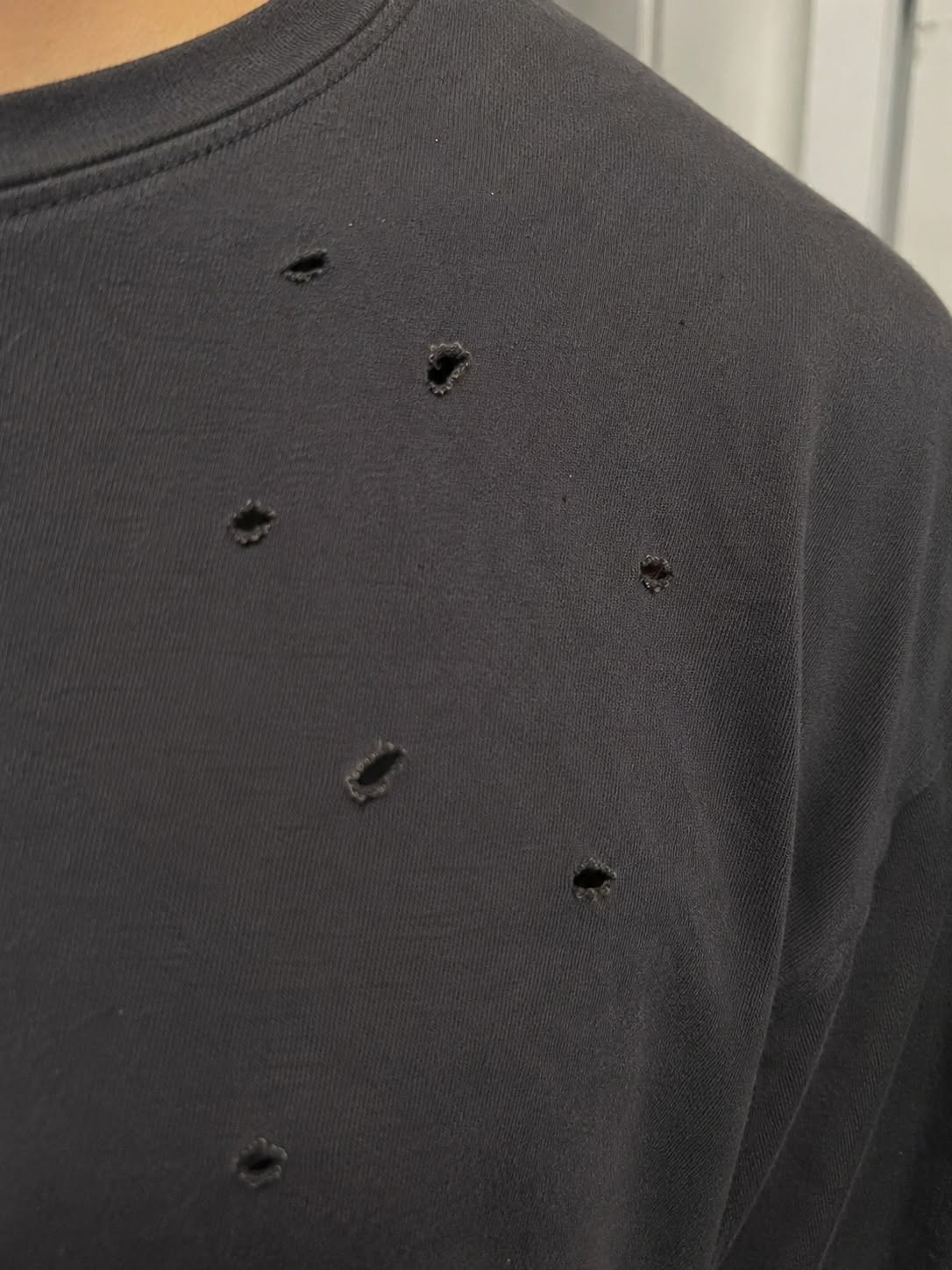
Few things are more frustrating than pulling a favorite T-shirt out of the laundry only to discover a mysterious hole.
At first, it might seem like bad luck. Maybe you blame poor-quality fabric, an aging washing machine, or even moths. But if the same types of clothing keep developing holes in similar locations, there’s usually a specific cause.
The good news is that most clothing damage isn’t random—and once you identify the culprit, it’s often easy to prevent.
Here’s a closer look at the most common reasons clothes develop holes and what you can do to keep your wardrobe looking its best.
1. Your Washing Machine Could Be Damaging Fabric
One of the biggest causes of unexplained holes is the washing machine itself.
Agitator Problems
In traditional top-loading washers, the center agitator constantly twists and moves clothing during the wash cycle.
Over time, rough edges, cracks, loose screws, or worn plastic can snag delicate fabrics.
Signs this may be the problem:
- Holes appear near hems or seams
- Damage occurs mostly on lightweight cotton shirts
- Multiple garments show similar wear patterns
What to Do
- Inspect the agitator for rough spots
- Tighten loose components
- Replace damaged parts
- Consider using mesh laundry bags for delicate items
Modern front-load washers and impeller-style top-loaders tend to be gentler on clothing.
2. The Dryer May Be Weakening Your Clothes
Dryers don’t usually create holes overnight.
Instead, they slowly weaken fibers through heat and friction.
Why It Happens
High temperatures make fabric fibers brittle over time. As clothes tumble together, zippers, buttons, and heavy fabrics rub against softer materials.
Eventually, weakened areas develop thin spots and small holes.
Prevention Tips
- Use lower heat settings
- Remove clothing promptly
- Air-dry delicate items
- Fasten zippers before drying
- Separate heavy garments from lightweight fabrics
3. Belt Buckles, Rivets, and Zippers
Many people are surprised to learn that clothing hardware is often responsible for holes.
When shirts repeatedly rub against:
- Belt buckles
- Jean rivets
- Metal buttons
- Zippers
the fabric gradually wears down.
Common Clue
If holes consistently appear near the lower front portion of shirts, friction from pants hardware may be the cause.
Solutions
- Tuck shirts in when possible
- Wear an undershirt
- Replace damaged hardware
- Avoid rough metal accessories
4. Furniture and Countertops
Sometimes the culprit isn’t in the laundry room at all.
Rough edges on:
- Kitchen counters
- Office desks
- Workbenches
- Tables
can repeatedly snag clothing when you lean against them.
Warning Sign
Holes consistently appear at the same height on multiple garments.
Fix
Inspect frequently used surfaces and smooth any rough spots or sharp edges.
5. Moths and Carpet Beetles
The classic explanation still applies in some cases.
Moths
Moth larvae feed on natural fibers such as:
- Wool
- Cashmere
- Silk
Carpet Beetles
Carpet beetle larvae can also damage fabrics, especially those stored for long periods.
Signs of Insect Damage
- Irregular holes
- Multiple holes clustered together
- Damage in stored clothing
- Evidence of larvae or shed skins
Prevention
- Vacuum closets regularly
- Store seasonal clothing properly
- Wash garments before storage
- Use airtight containers for delicate fabrics
6. Hidden Damage from Bra Underwires
This cause often goes unnoticed.
When an underwire breaks through the fabric casing of a bra, the exposed metal can puncture shirts from underneath.
Typical Pattern
Small holes appear near chest level in multiple shirts.
Solution
Replace damaged bras promptly and inspect underwires regularly.
7. Jewelry Can Snag Fabric
Rings, bracelets, necklaces, and watchbands may catch delicate fabrics during everyday wear.
Common trouble spots include:
- Necklines
- Cuffs
- Waistbands
Removing jewelry while changing clothes can help prevent accidental tears.
8. Pets and Their Claws
Anyone who shares a home with cats or dogs knows how quickly claws can damage fabric.
Even a playful jump onto your lap can leave:
- Tiny punctures
- Snags
- Runs in lightweight fabrics
Keeping nails trimmed significantly reduces the risk.
9. Hidden Problems Inside the Washer Drum
Even machines without agitators can damage clothing.
Small imperfections inside the drum may catch fabric during wash cycles.
Check For
- Rough metal spots
- Rust damage
- Cracks
- Sharp edges
Run your hand carefully around the interior surface to identify potential trouble areas.
Simple Ways to Prevent Holes
A few small changes can dramatically extend the life of your clothing.
During Washing
- Turn garments inside out
- Use mesh laundry bags
- Wash delicate fabrics separately
- Avoid overloading the machine
- Choose gentle cycles when appropriate
- Wash with cold or warm water
During Drying
- Use lower heat settings
- Remove clothing promptly
- Air-dry delicate garments
Daily Habits
- Trim pet claws regularly
- Remove jewelry when changing
- Watch for rough furniture edges
- Inspect clothing hardware
When Should You Repair a Hole?
Small holes can often be repaired successfully.
Consider repairing when:
- The garment has sentimental value
- The fabric is otherwise in good condition
- The hole is small
Replacement may make more sense when:
- Multiple holes are present
- The fabric is badly worn
- Repairs have already been attempted several times
Frequently Asked Questions
Why do my shirts always get holes in the same place?
Repeated damage in the same location usually points to a specific cause such as belt buckles, counters, bra underwires, or washing machine components.
Are front-load washers gentler on clothes?
Generally, yes. They don’t use a central agitator and typically create less mechanical stress on fabrics.
Does hot water damage clothes?
Hot water can weaken fibers over time, especially in delicate fabrics, making them more susceptible to wear.
Are expensive clothes less likely to get holes?
Not necessarily. Higher-quality fabrics may last longer, but they can still be damaged by friction, heat, sharp objects, and improper care.
Final Thoughts
Mysterious holes rarely happen without a reason.
Whether the cause is laundry equipment, clothing hardware, insects, furniture, jewelry, or everyday friction, identifying the source is the first step toward preventing future damage.
A few simple adjustments—using mesh bags, lowering dryer heat, inspecting washing machines, and eliminating rough surfaces—can significantly extend the life of your wardrobe.
Instead of replacing favorite shirts every few months, you may discover that the solution is much simpler than you thought.
Small habits can make a big difference, and protecting your clothes often starts with paying attention to the details.
More Blog
- A Persistent Mystery at Home: How to Track Down Strange Odors Before They Become Bigger Problems
- Son’s Living Liver Donation Followed by Serious Health Complications Highlights the Risks and Courage of Organ Donation
- My Daughter’s Innocent Question on Father’s Day Changed Everything (And Taught Me the True Meaning of Presence)
- Caught Red-Handed: A Shopping Trip Turns Into a Public Scandal That Sparked Debate