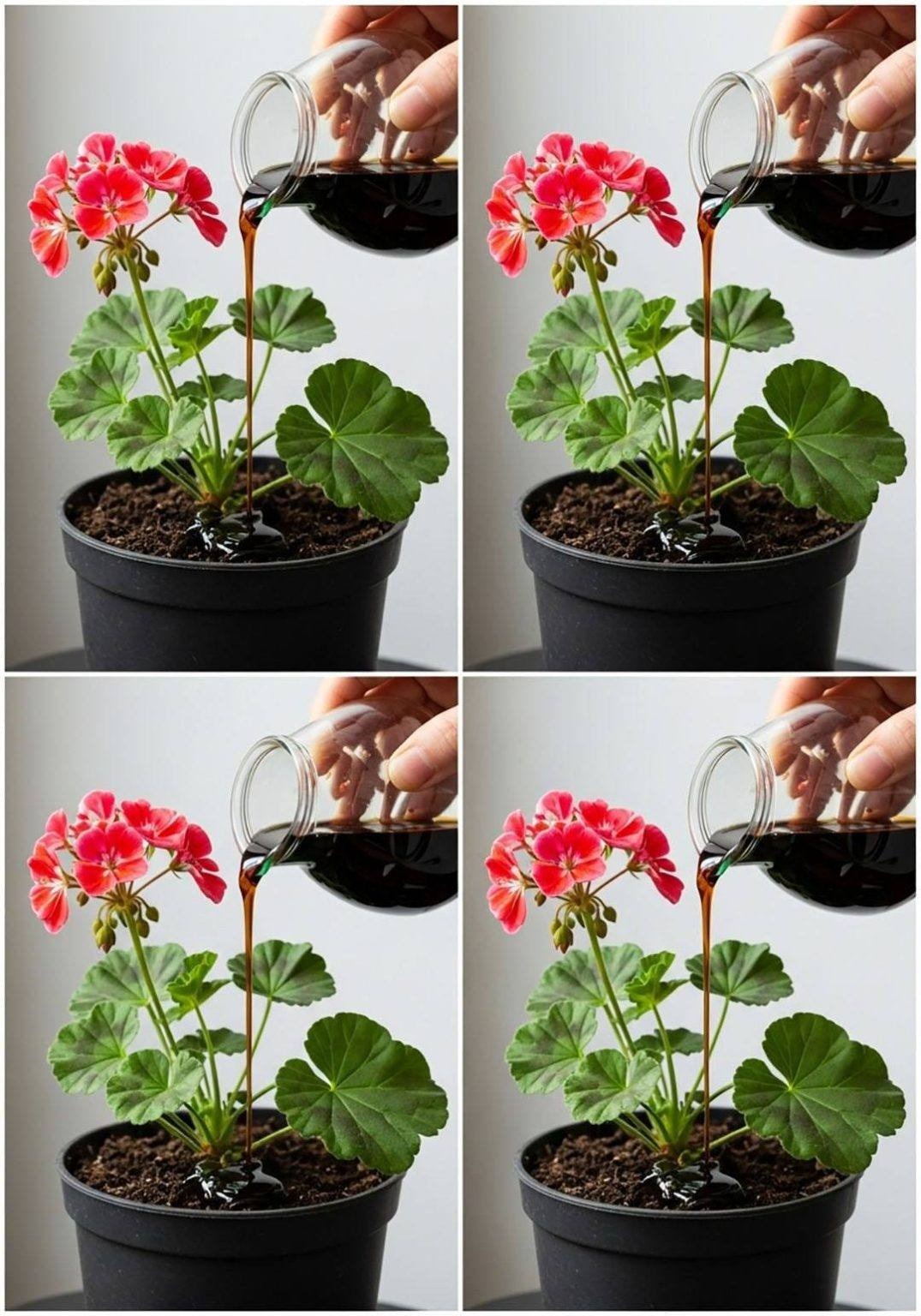
Few flowering plants deliver as much color for as little effort as geraniums. Known botanically as pelargoniums, these cheerful bloomers can transform balconies, patios, porches, and garden beds into vibrant displays that last for months.
Yet many gardeners find that their geraniums bloom beautifully for a few weeks before slowing down, becoming leggy, or producing more leaves than flowers.
The good news is that keeping geraniums blooming isn’t complicated. It comes down to understanding what these sun-loving plants need and providing consistent care throughout the growing season.
With proper light, watering, feeding, and maintenance, you can enjoy spectacular blooms from spring through fall—and in some climates, even longer.
Why Geraniums Stop Blooming
Before discussing how to maximize flowering, it’s helpful to understand why blooms sometimes disappear.
Common reasons include:
- Insufficient sunlight
- Overwatering
- Poor drainage
- Excess nitrogen fertilizer
- Root-bound containers
- Failure to remove spent flowers
Fortunately, all of these problems are easy to correct.
Give Them Plenty of Sunshine
If there is one secret to abundant geranium blooms, it is sunlight.
Geraniums thrive in bright conditions and need at least six hours of direct sunlight each day.
More sun generally means:
- More flower buds
- Stronger stems
- Richer colors
- Compact growth
Plants grown in too much shade often develop:
- Long, weak stems
- Sparse flowering
- Pale foliage
For container-grown geraniums, south-facing or west-facing locations usually provide ideal conditions.
Signs Your Geranium Needs More Light
Watch for:
- Stretched stems
- Large gaps between leaves
- Few flower clusters
- Plants leaning toward the sun
These are classic indicators that additional sunlight is needed.
Water Wisely, Not Constantly
Many gardeners unintentionally harm geraniums through excessive watering.
Unlike some flowering plants, geraniums prefer slightly dry conditions between waterings.
A simple rule works well:
Water when the top inch of soil feels dry.
Avoid:
- Constantly wet soil
- Standing water in saucers
- Containers without drainage holes
Too much moisture can lead to root rot, yellow leaves, and reduced flowering.
The Best Containers
Terracotta pots are particularly helpful because they allow excess moisture to evaporate through the sides.
Good drainage encourages healthier roots and stronger blooming.
Choose the Right Soil
Healthy roots create healthy flowers.
Geraniums perform best in light, well-draining potting mixes specifically formulated for flowering plants.
Avoid using heavy garden soil in containers because it tends to:
- Compact easily
- Hold too much moisture
- Restrict oxygen around roots
A quality potting mix allows roots to breathe while maintaining consistent moisture levels.
Repot When Necessary
As geraniums grow, roots eventually fill the container.
When roots begin circling the pot or emerging from drainage holes, flowering may decline.
Repotting each spring gives roots additional space and encourages vigorous growth.
The Aspirin Garden Trick
Many gardeners swear by a diluted aspirin solution as a supplemental plant tonic.
The theory comes from the fact that aspirin contains acetylsalicylic acid, which is related to salicylic acid, a naturally occurring plant compound involved in stress responses.
Some gardeners believe occasional aspirin treatments may:
- Improve plant vigor
- Support root development
- Enhance disease resistance
- Encourage stronger growth
How It’s Commonly Used
A typical homemade solution consists of:
- One uncoated 325 mg aspirin tablet
- One gallon of water
Applied once monthly during active growth, some gardeners report healthier foliage and increased flowering.
What Science Says
Research has shown that salicylic acid plays important roles in plant physiology.
However, results vary depending on plant species, growing conditions, and concentration levels.
While some gardeners see positive results, aspirin should be viewed as a supplemental treatment rather than a substitute for proper care.
The Iodine Gardening Method
Another traditional gardening tip involves highly diluted iodine solutions.
Supporters claim trace amounts may assist nutrient utilization and plant health.
Common Application
Gardeners who use this method typically mix:
- One drop of iodine tincture
- One quart (approximately one liter) of water
The solution is applied sparingly around the base of the plant every few weeks during the growing season.
Important Caution
More is definitely not better.
Excess iodine can damage roots and negatively affect plant health.
If experimenting with iodine, use extremely diluted solutions and discontinue use if plants show signs of stress.
Deadhead for Continuous Blooms
One of the simplest ways to keep geraniums flowering is also one of the most effective.
Remove spent flowers regularly.
This process, known as deadheading, prevents the plant from directing energy into seed production.
Instead, that energy is redirected toward producing new buds.
How to Deadhead Correctly
Rather than removing only the faded petals:
- Follow the flower stem down to its base.
- Pinch or cut the entire stem away.
This encourages faster replacement blooms.
A few minutes of deadheading each week can dramatically increase flowering throughout the season.
Prune Leggy Growth
Even healthy geraniums occasionally become stretched or overgrown.
Midseason pruning helps maintain compact, bushy plants.
When to Prune
If stems become:
- Long
- Sparse
- Weak
trim them back by approximately one-third.
This stimulates:
- New branching
- Fresh foliage
- Additional flower clusters
Within a few weeks, plants often return fuller and more colorful than before.
Feed for Flowers
Geraniums are relatively heavy feeders when actively blooming.
Without adequate nutrition, flowering eventually slows.
Balanced Fertilizers
A balanced fertilizer such as:
- 10-10-10
can be applied every two weeks during active growth.
Bloom Boosters
Some gardeners prefer bloom-focused fertilizers such as:
- 15-30-15
These formulas contain higher phosphorus levels, which support flower production.
Always follow package directions to avoid overfertilization.
Overwintering Geraniums
In warm climates, geraniums may continue blooming throughout much of the year.
In colder regions, they can survive winter indoors.
Bringing Geraniums Inside
Before the first frost:
- Inspect plants for pests.
- Trim damaged growth.
- Move containers indoors.
- Place near a sunny window.
Indoor plants require:
- Less water
- Good air circulation
- Plenty of light
With proper care, many geraniums survive winter and resume vigorous flowering the following spring.
Common Mistakes That Reduce Blooms
Avoid these frequent problems:
Overwatering
The most common killer of container geraniums.
Excess Nitrogen
Too much nitrogen encourages leafy growth at the expense of flowers.
Ignoring Dead Flowers
Seed production steals energy from new blooms.
Crowded Roots
Plants that remain root-bound too long often flower less.
Insufficient Sunlight
Even excellent care cannot compensate for inadequate light.
Final Thoughts
Geraniums have earned their popularity for good reason. They are colorful, adaptable, relatively low-maintenance, and capable of producing months of continuous blooms when their basic needs are met.
The real secret isn’t a miracle ingredient or complicated gardening formula. It’s a combination of sunlight, proper watering, good drainage, regular feeding, and consistent maintenance.
Whether you choose to experiment with traditional gardening tricks like diluted aspirin or iodine solutions, the foundation of success remains the same: healthy roots, plenty of sunshine, and attentive care.
Give your geraniums those essentials, and they’ll reward you with a dazzling display of flowers that can brighten your garden from spring well into the cooler months.
Sometimes the most spectacular blooms come from the simplest habits practiced consistently.
More Home Remedies
- California Mom Issues Urgent Fireworks Warning After Teen Suffers Devastating Hand Injuries
- This Is the Silent Disease That Can Strike Without Warning
- The Midnight Ache: Understanding Nighttime Leg Cramps and How to Find Relief
- My 8-Year-Old Has Been Experiencing This for Two Months—Understanding Hives in Children