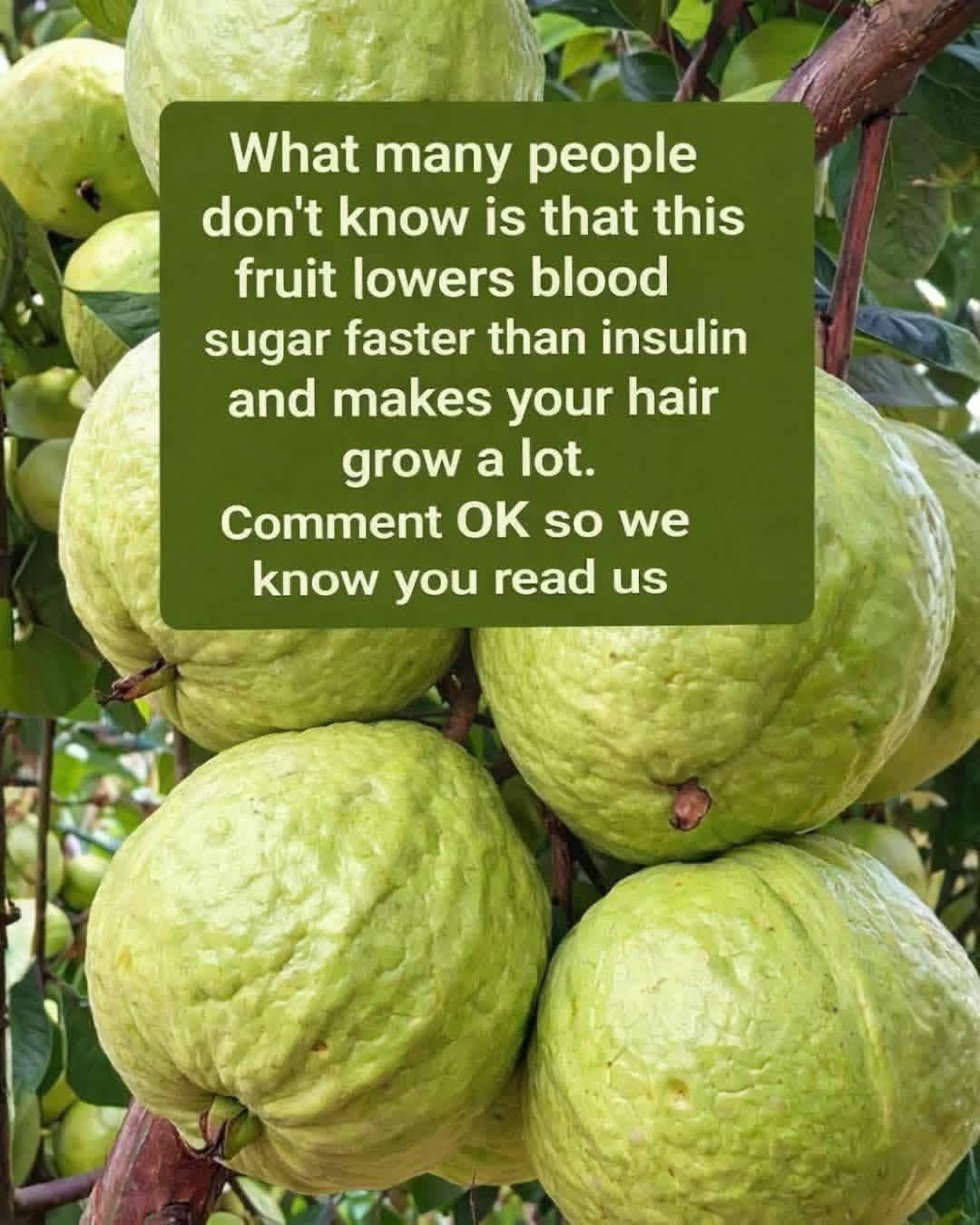
Guava is one of the most nutritious tropical fruits and has become increasingly popular online because of claims about its powerful health benefits. Social media posts often describe guava as a miracle fruit capable of lowering blood sugar instantly, boosting hair growth dramatically, and replacing medical treatments. Although guava provides many genuine nutritional advantages, some online claims are exaggerated or medically inaccurate.
Understanding the real benefits of guava helps people enjoy the fruit safely while avoiding misinformation. This article explores what science actually says about guava, including its effects on blood sugar, hair health, digestion, immunity, and overall wellness.
A few years ago, I started eating guava regularly during the warmer months because fresh guavas were available at a local market. At first, I only enjoyed the sweet tropical flavor and crunchy seeds. However, after learning more about its vitamins and fiber, I realized why so many cultures value guava as part of a healthy diet. While some online posts make unrealistic promises, guava still stands out as a genuinely nutritious fruit that can support overall wellness when included in a balanced lifestyle.
Why Guava Is Considered a Superfruit
Nutritional Value of Guava
Guava contains an impressive amount of nutrients despite being relatively low in calories. One fresh guava provides fiber, vitamin C, potassium, antioxidants, and several beneficial plant compounds.
Vitamin C remains one of guava’s most notable nutrients. In fact, guava often contains more vitamin C than oranges. Because vitamin C supports the immune system and collagen production, many people include guava in wellness-focused diets.
Guava also contains antioxidants such as lycopene and flavonoids. These compounds help protect cells from oxidative stress and may support long-term health.
Additionally, the fruit provides dietary fiber, which supports digestion and helps create a feeling of fullness after eating.
Why Guava Has Become Popular Online
Social media frequently promotes foods labeled as “superfoods,” and guava often appears in health-related posts. Because the fruit offers real nutritional benefits, exaggerated claims sometimes spread quickly online.
Many posts describe guava as capable of rapidly lowering blood sugar, reversing illness, or dramatically improving appearance. However, scientific evidence does not support many of these extreme claims.
Still, guava remains a healthy fruit choice when viewed realistically rather than as a miracle cure.
Blood Sugar Claims: What Science Actually Says
Can Guava Lower Blood Sugar?
Some social media posts claim guava lowers blood sugar faster than insulin. This statement is false and potentially dangerous.
Insulin is a hormone and medical treatment that directly regulates glucose levels in the bloodstream. No fruit, herb, or natural food can replace insulin for individuals who require it medically.
However, guava may still support healthy blood sugar management as part of a balanced diet. Because guava contains fiber and has a relatively low glycemic index, it may help slow sugar absorption and reduce sudden glucose spikes after meals.
As a result, guava can fit into many healthy eating plans, including some diabetes-friendly diets.
Why Medical Advice Still Matters
Although guava provides nutritional value, it should never replace prescribed medications or professional medical treatment.
People with diabetes or blood sugar conditions should always follow healthcare guidance regarding insulin, medications, and dietary choices. Relying solely on viral social media advice instead of medical treatment can create serious health risks.
Therefore, guava works best as part of an overall healthy diet rather than a substitute for medical care.
Guava and Hair Growth
Does Guava Make Hair Grow Faster?
Another common online claim says guava causes dramatic hair growth. While guava supports overall health, it does not instantly or magically increase hair growth.
The fruit does contain nutrients important for healthy hair. Vitamin C helps support collagen production, while antioxidants may assist in protecting hair follicles from oxidative stress.
In addition, vitamin C improves iron absorption, which can indirectly support healthier hair for some individuals.
However, hair growth depends on many factors including genetics, hormones, nutrition, stress levels, and overall health. No single fruit alone can transform hair growth dramatically.
Real Ways Guava Supports Hair Health
Although guava does not create overnight results, its nutrients may contribute to healthier hair over time as part of a balanced diet.
Potential hair-supporting nutrients in guava include:
- Vitamin C
- Antioxidants
- Potassium
- Folate
- Fiber
Healthy eating patterns generally support better skin, hair, and energy levels overall. Therefore, guava can certainly contribute positively to wellness without making unrealistic promises.
Real Health Benefits of Guava
Immune System Support
One of guava’s strongest benefits involves immune support. Because it contains large amounts of vitamin C, the fruit helps support normal immune function.
Vitamin C also assists with tissue repair and antioxidant protection throughout the body. Consequently, many people include vitamin C-rich fruits like guava in healthy diets during cold and flu seasons.
Digestive and Heart Health Benefits
Guava contains fiber that supports healthy digestion and regular bowel movements. Fiber also helps promote fullness, which may assist with appetite control.
Additionally, guava provides potassium and antioxidants that may support heart health and healthy blood pressure levels.
Pink guava varieties contain lycopene, an antioxidant associated with cellular protection and cardiovascular wellness.
While these benefits are encouraging, they work best alongside balanced nutrition, exercise, hydration, and proper healthcare.
Common Myths About “Miracle Foods”
Why Viral Health Claims Spread Quickly
Social media posts often use dramatic language because sensational claims attract attention rapidly. Statements promising instant cures or life-changing results can spread widely even without scientific evidence.
Foods such as guava, lemon, ginger, garlic, and turmeric frequently appear in exaggerated wellness claims online. Although these foods contain valuable nutrients, they are not miracle treatments.
Understanding the difference between nutritional support and medical treatment helps people make safer health decisions.
How to Evaluate Health Information Online
When reading health claims online, it helps to ask several important questions:
- Is scientific evidence provided?
- Are medical professionals referenced?
- Does the claim sound exaggerated?
- Does it encourage replacing medical care?
- Is the language designed to create fear or urgency?
Reliable health information usually avoids dramatic promises and encourages professional medical guidance when needed.
FAQ
Is guava healthy for people with diabetes?
Guava may fit into many balanced diets because it contains fiber and has a relatively low glycemic index. However, people with diabetes should follow medical guidance regarding diet and treatment.
Does guava replace insulin?
No. Guava cannot replace insulin or diabetes medications.
Can guava improve hair health?
Guava contains nutrients that support overall wellness, including vitamin C, which may help support healthy hair as part of a balanced diet.
Is guava high in vitamin C?
Yes. Guava is extremely rich in vitamin C and often contains more than oranges.
What are the main benefits of guava?
Guava may support digestion, immune health, antioxidant protection, and overall wellness due to its fiber and nutrient content.
Conclusion
Guava remains one of the most nutritious tropical fruits available thanks to its impressive vitamin C content, fiber, antioxidants, and refreshing flavor. Although online claims sometimes exaggerate its abilities, guava still offers many genuine health benefits when included in a balanced diet.
The fruit may support digestion, immune function, and overall wellness, but it cannot replace insulin or medical treatment. Understanding the difference between evidence-based nutrition and misleading viral claims helps people make healthier and safer decisions.
When enjoyed responsibly as part of a healthy lifestyle, guava truly deserves its reputation as a nutritious and refreshing superfruit.
More Home Remedies
- California Mom Issues Urgent Fireworks Warning After Teen Suffers Devastating Hand Injuries
- This Is the Silent Disease That Can Strike Without Warning
- The Midnight Ache: Understanding Nighttime Leg Cramps and How to Find Relief
- My 8-Year-Old Has Been Experiencing This for Two Months—Understanding Hives in Children