
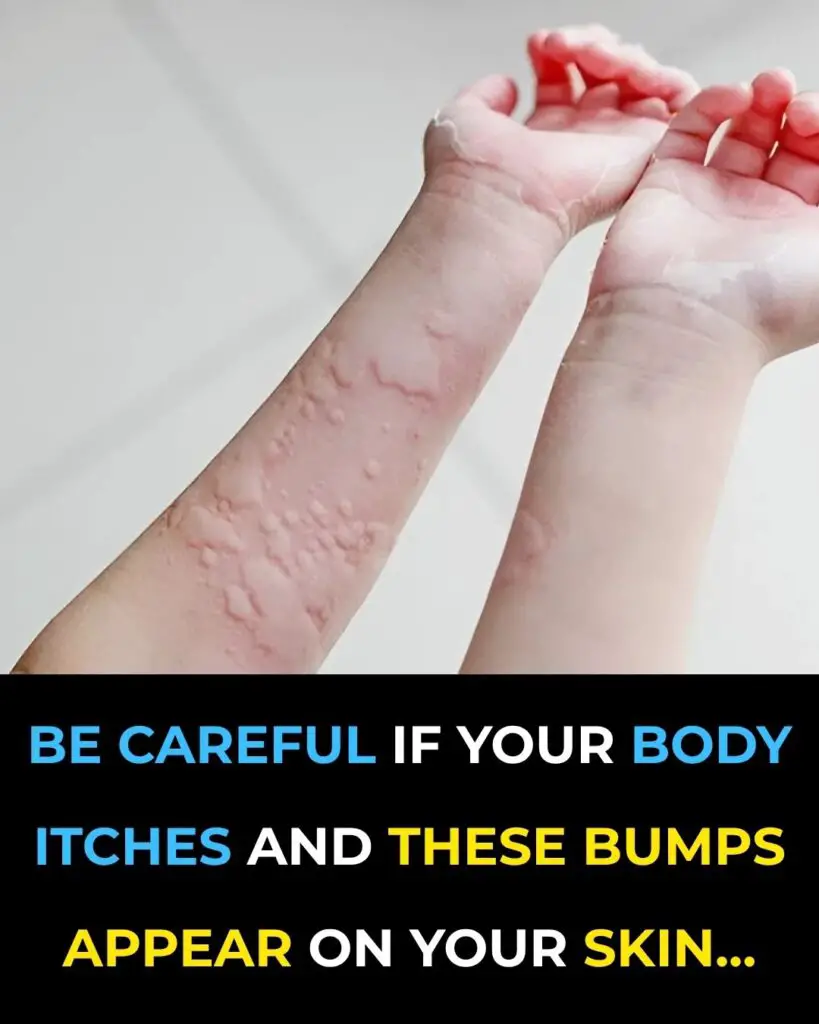
Hives, also known as urticaria, can appear suddenly and feel incredibly frustrating. These itchy, red, raised welts often seem to come out of nowhere, leaving many people wondering what triggered them. While most people immediately blame food allergies or insect bites, the truth is far more complex. In fact, many cases of hives stem from unexpected causes that often go unnoticed.
Even more surprising, nearly half of chronic hives cases have no clearly identifiable cause. This condition, known as chronic idiopathic urticaria, can leave people searching for answers without clear direction. However, understanding lesser-known triggers can help you better manage symptoms and possibly prevent future outbreaks.
Below, you will find some of the most overlooked causes of hives and practical ways to handle them.
Temperature Extremes and Physical Triggers
Cold, Heat, and Sudden Changes
Temperature plays a much bigger role in skin reactions than most people realize. Cold urticaria occurs when the skin reacts to cold air, icy drinks, or even swimming in cold water. In these cases, hives may appear within minutes of exposure and can sometimes become severe.
On the other hand, heat-induced hives, also known as cholinergic urticaria, develop when the body temperature rises. Activities like exercising, taking hot showers, or eating spicy foods can trigger these small, itchy bumps. The reaction usually happens quickly and fades once the body cools down.
Sudden shifts in temperature can also confuse your body’s response system. Moving from a warm environment into cold air, or vice versa, can trigger flare-ups even if each temperature alone does not.
Pressure and Friction on the Skin
Physical pressure is another overlooked cause of hives. Tight clothing, heavy bags, or even sitting for extended periods can lead to pressure urticaria. The skin reacts slowly, often showing swelling hours after the pressure occurs.
Simple daily habits can contribute to this type of reaction. For example, wearing tight waistbands or carrying a backpack for long periods may lead to localized hives. Even leaning on your elbows at a desk for too long can trigger symptoms.
To reduce these reactions, wearing loose clothing and minimizing prolonged pressure on specific areas can make a significant difference.
Stress and Emotional Factors
How Stress Affects the Skin
Stress does not just affect your mood—it directly impacts your body, including your skin. When you experience emotional stress, your body releases chemicals like histamine. These substances can trigger inflammation and lead to hives, even if you are not dealing with a traditional allergy.
Many people notice flare-ups during high-pressure situations such as exams, work deadlines, or personal challenges. The connection between stress and skin reactions often goes unnoticed because the trigger is not physical.
Managing Emotional Triggers
Reducing stress can significantly improve symptoms. Simple techniques like deep breathing, meditation, or light exercise can calm your nervous system and reduce flare-ups.
Creating a daily routine that includes relaxation can help your body maintain balance. Even small changes, such as taking short breaks during the day or practicing mindfulness, can lower your risk of stress-related hives.
Medications You Might Not Expect
Common Pain Relievers
Certain medications can trigger hives, even if you have taken them for years without any issues. Nonsteroidal anti-inflammatory drugs (NSAIDs) such as aspirin, ibuprofen, and naproxen are known to cause reactions in some individuals.
These medications can increase histamine levels in the body, leading to itching and swelling. What makes this tricky is that reactions can develop suddenly, even after long-term use.
Prescription Medications
Some prescription drugs, particularly those used for blood pressure, can also contribute to skin reactions. ACE inhibitors, for example, may cause angioedema, which involves deeper swelling beneath the skin. This can occur alongside hives or independently.
If you suspect medication is causing your symptoms, it is important to consult a healthcare provider before making any changes. Switching to alternative options may help reduce reactions while still addressing your medical needs.
Skincare Products and Hidden Irritants
Fragrances and Natural Ingredients
Many people assume that “natural” skincare products are always safe. However, essential oils, botanical extracts, and fragrances can trigger skin reactions in sensitive individuals.
Ingredients like lavender oil, tea tree oil, and citrus extracts may seem gentle, but they can irritate the skin and lead to hives. Fragrance, whether synthetic or natural, remains one of the most common causes of skin sensitivity.
Even products labeled as hypoallergenic can contain ingredients that trigger reactions. Therefore, reading labels carefully becomes essential.
Everyday Products That May Surprise You
It is not just lotions and creams that can cause problems. Laundry detergents, fabric softeners, and even soaps can leave residues that irritate your skin.
Switching to fragrance-free and dye-free products can help reduce exposure to potential triggers. Additionally, patch-testing new products before regular use can prevent unexpected reactions.
Infections and Underlying Health Conditions
Viral and Bacterial Infections
Infections often go unnoticed as a cause of hives. Viral illnesses such as the common cold or flu can trigger immune responses that result in skin reactions. In some cases, hives may appear even after the infection has resolved.
Bacterial infections, including sinus or urinary tract infections, can also lead to outbreaks. The immune system becomes more reactive during illness, making the skin more sensitive.
Chronic Conditions and Immune Response
Certain long-term health conditions can contribute to recurring hives. Autoimmune disorders, thyroid issues, and other immune-related conditions may cause the body to attack itself, leading to persistent symptoms.
In these cases, managing the underlying condition becomes key to controlling hives. Regular medical check-ups and proper diagnosis can make a significant difference in long-term outcomes.
Food Sensitivities Beyond Allergies
Delayed Reactions
Not all food-related hives are immediate allergies. Some reactions occur hours after eating, making it difficult to identify the cause. These delayed sensitivities often involve foods like dairy, gluten, or food additives.
Because symptoms do not appear right away, many people fail to connect their diet with their skin reactions. Keeping a food diary can help identify patterns over time.
Additives and Preservatives
Artificial ingredients in processed foods can also trigger hives. Preservatives, colorings, and flavor enhancers may cause reactions in sensitive individuals.
Common culprits include sulfites, artificial dyes, and monosodium glutamate (MSG). Reducing processed food intake and focusing on whole foods can help minimize exposure.
Environmental Factors You Might Overlook
Pollen, Dust, and Pollution
Environmental triggers extend beyond obvious allergens. Pollen, dust mites, and air pollution can all irritate the skin and lead to hives. Even if you do not have seasonal allergies, these factors can still affect your skin.
Indoor environments also play a role. Poor ventilation, mold, and dust buildup can contribute to ongoing irritation.
Water and Sun Exposure
Water itself can sometimes trigger hives, a rare condition known as aquagenic urticaria. Similarly, prolonged sun exposure can cause solar urticaria, leading to redness and itching shortly after being outdoors.
Protecting your skin with appropriate clothing and limiting exposure can help manage these reactions.
Hormonal Changes and Body Fluctuations
Hormones and Skin Sensitivity
Hormonal changes can significantly affect your skin. Many people notice increased sensitivity during certain times, such as menstruation, pregnancy, or menopause.
These fluctuations can influence how your body reacts to triggers, making hives more likely during these periods.
Balancing Your Body
Maintaining a healthy lifestyle can help regulate hormonal changes. Proper sleep, balanced nutrition, and regular physical activity all contribute to overall stability.
If hormonal imbalances seem to trigger your symptoms, discussing options with a healthcare provider can provide additional guidance.
FAQ
What are the most common causes of hives?
Common causes include allergies, medications, infections, stress, and environmental factors. However, many cases have no clear cause.
Can stress alone cause hives?
Yes, stress can trigger the release of histamine in the body, leading to hives even without an allergic reaction.
How long do hives usually last?
Acute hives often resolve within a few hours to a few days, while chronic hives can persist for weeks or longer.
Should I stop taking medication if I get hives?
No, you should always consult a healthcare provider before stopping any medication.
When should I see a doctor?
Seek medical attention if hives last more than a few days, worsen, or are accompanied by swelling of the face or difficulty breathing.
Conclusion
Hives can feel unpredictable and overwhelming, especially when the cause is not obvious. While allergies remain a common trigger, many lesser-known factors can also lead to outbreaks. Temperature changes, stress, medications, skincare products, infections, and environmental influences all play a role in how your skin reacts.
Understanding these hidden triggers gives you more control over your condition. By identifying patterns and making small lifestyle adjustments, you can reduce flare-ups and improve your overall comfort.
If symptoms persist or worsen, seeking professional guidance remains essential. With the right approach, managing hives becomes far more achievable, allowing you to focus on feeling your best every day.