
Slow Cooker Amish Porcupine Meatballs are the definition of simple comfort food done right. This classic dish combines ground beef, rice, and a rich, savory sauce into tender meatballs that cook slowly to perfection. As the rice expands inside the meat, it creates the signature “porcupine” texture while soaking up every bit of flavor from the sauce.
6
Because this recipe uses just a handful of ingredients, it makes dinner easy without sacrificing taste. Even better, the slow cooker does most of the work, allowing you to enjoy a hearty, home-cooked meal with minimal effort.
I remember the first time I made these on a busy weekday. I mixed everything in one bowl, rolled the meatballs, and let the slow cooker handle the rest. Hours later, the kitchen smelled incredible, and the meatballs turned out tender and flavorful. Everyone at the table asked for seconds, and it quickly became a recipe I rely on whenever I need something comforting and stress-free.
Ingredients
Equipment
Method
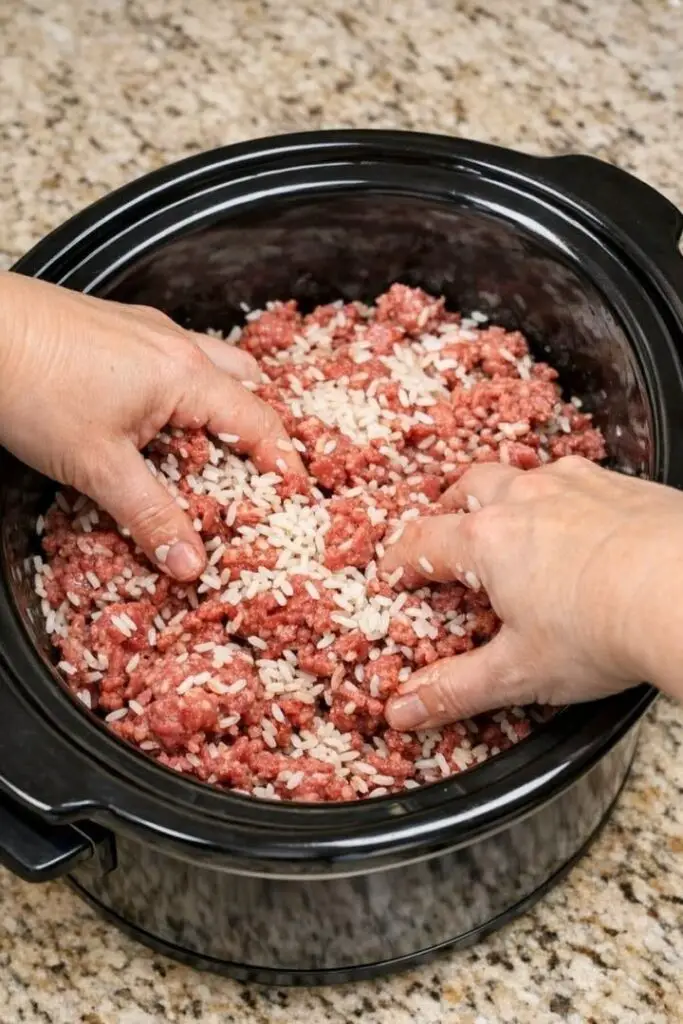
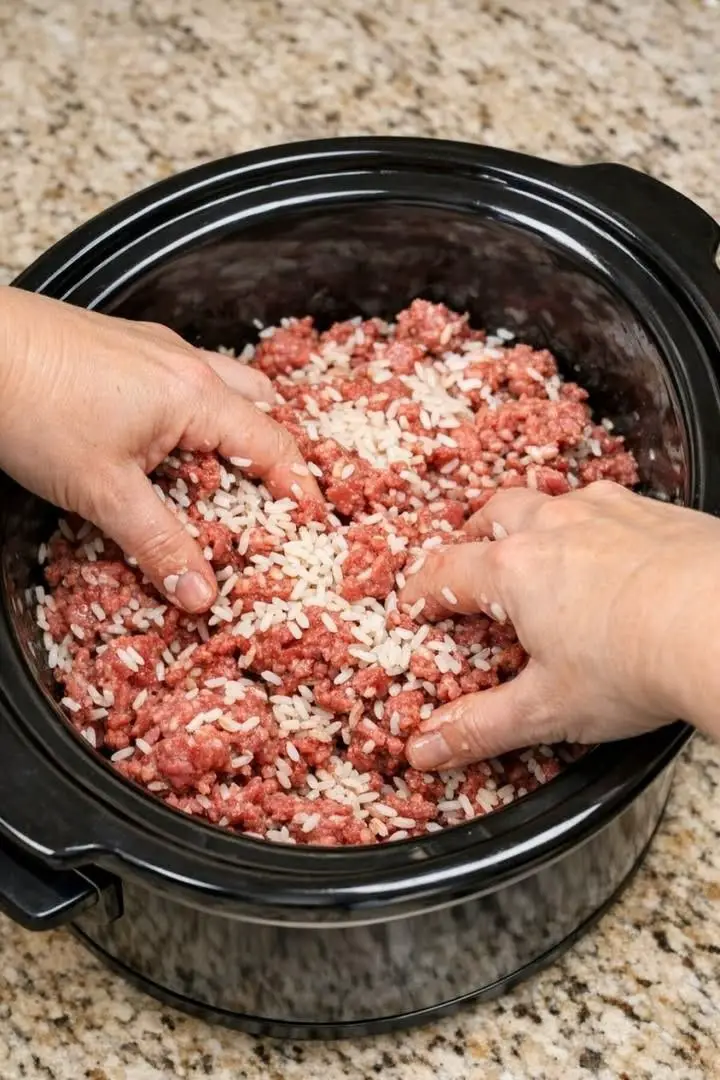
- Mix ground beef, uncooked rice, and onion soup mix in a bowl.
- Form mixture into evenly sized meatballs.
- Place meatballs in slow cooker.
- Mix cream soup and broth, then pour over meatballs.
- Cook on low for 6–8 hours or high for 3–4 hours.
- Serve warm with sauce.
Notes
Why These Porcupine Meatballs Work So Well
A Clever Use of Pantry Staples
This recipe stands out because it transforms basic ingredients into something truly satisfying. Ground beef provides richness, while uncooked rice stretches the mixture and adds texture.
As the meatballs cook, the rice absorbs moisture and expands. This creates the classic “porcupine” look and ensures every bite feels hearty. Meanwhile, the onion soup mix adds seasoning without needing extra spices.
Because everything cooks together, the flavors blend seamlessly. As a result, you get a dish that tastes like it took hours of effort, even though it requires very little prep.
Set-It-and-Forget-It Convenience
The slow cooker makes this recipe incredibly easy. After shaping the meatballs, you simply place them into the cooker with the sauce ingredients.
From there, the slow cooker does the work. It gently cooks the meatballs, allowing them to become tender while the sauce thickens into a rich gravy.
This method also frees up your time. You can prepare the meal in the morning and come home to a fully cooked dinner. Because of this, it’s perfect for busy families or anyone looking for a low-effort meal.
Ingredients That Build Comforting Flavor
The Essential Five Ingredients
This recipe keeps things simple with just five main ingredients. Ground beef forms the base, while uncooked rice adds texture and helps stretch the dish.
Onion soup mix provides seasoning and depth. Cream soup creates a creamy, comforting sauce, and broth helps everything cook evenly.
Because each ingredient serves a purpose, the result feels balanced and satisfying. Even with minimal components, the dish delivers big flavor.
Optional Additions for Extra Flavor
Although the classic version uses only five ingredients, you can customize it easily. For example, adding garlic powder or black pepper enhances the seasoning.
You can also mix in chopped onions or herbs for extra depth. If you prefer a tomato-based version, swap the cream soup for tomato soup or sauce.
These small changes allow you to adapt the recipe while still keeping its simple, comforting nature intact.
Step-by-Step Cooking Instructions
Preparing the Meatballs
Start by combining ground beef, uncooked rice, and onion soup mix in a large bowl. Mix gently until everything is evenly combined.
Next, form the mixture into evenly sized meatballs. Try to keep them uniform so they cook evenly.
Because the rice is uncooked, it will absorb moisture during cooking. Therefore, make sure the mixture is well combined to help the meatballs hold their shape.
Slow Cooking to Perfection
Place the meatballs into the slow cooker in a single layer if possible. Then, mix the cream soup and broth in a separate bowl and pour it over the meatballs.
Cover and cook on low for 6–8 hours or on high for 3–4 hours. As the meatballs cook, the rice softens and expands while the sauce thickens into a rich gravy.
Once done, gently stir to coat the meatballs in the sauce. Serve warm for the best flavor and texture.
Tips, Variations, and Serving Ideas
Making the Best Porcupine Meatballs
Use lean ground beef to prevent excess grease. If needed, you can lightly skim the sauce before serving.
Avoid overmixing the meat mixture, as this can make the meatballs dense. Instead, mix just until combined.
If the sauce becomes too thick, add a small amount of broth to loosen it. This keeps the dish smooth and flavorful.
Serving Suggestions for a Complete Meal
Serve these meatballs over mashed potatoes, noodles, or rice for a filling meal. The rich gravy pairs beautifully with these sides.
You can also serve them with a simple vegetable side like green beans or roasted carrots. This adds balance and freshness to the dish.
For a lighter option, enjoy the meatballs on their own with a side salad. Because they are hearty, they still feel satisfying without extra sides.
Frequently Asked Questions
Why are they called porcupine meatballs?
The rice expands during cooking and sticks out of the meatballs, resembling porcupine quills.
Can I use brown rice instead of white rice?
Yes, but brown rice may require a longer cooking time to soften fully.
Do I need to cook the rice beforehand?
No, the rice cooks inside the meatballs during the slow cooking process.
Can I freeze these meatballs?
Yes, they freeze well. Store in an airtight container and reheat gently.
Can I make this without a slow cooker?
Yes, you can bake or simmer them on the stovetop, though the texture may vary slightly.
Conclusion
Slow Cooker Amish Porcupine Meatballs offer a perfect balance of simplicity and comfort. With just a few ingredients and minimal effort, you can create a hearty meal that feels homemade and satisfying.
Because the slow cooker handles most of the work, this recipe fits easily into any schedule. Whether you serve it for a family dinner or prepare it ahead of time, it consistently delivers rich flavor and comforting texture.
Once you try it, this dish will likely become one of those dependable recipes you return to again and again.