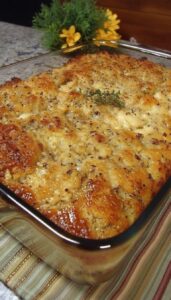
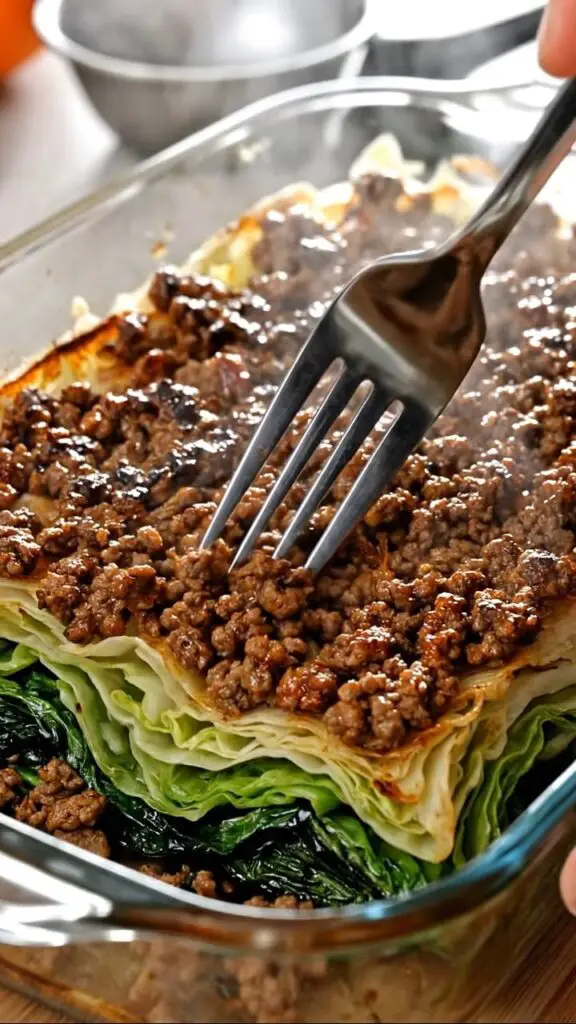
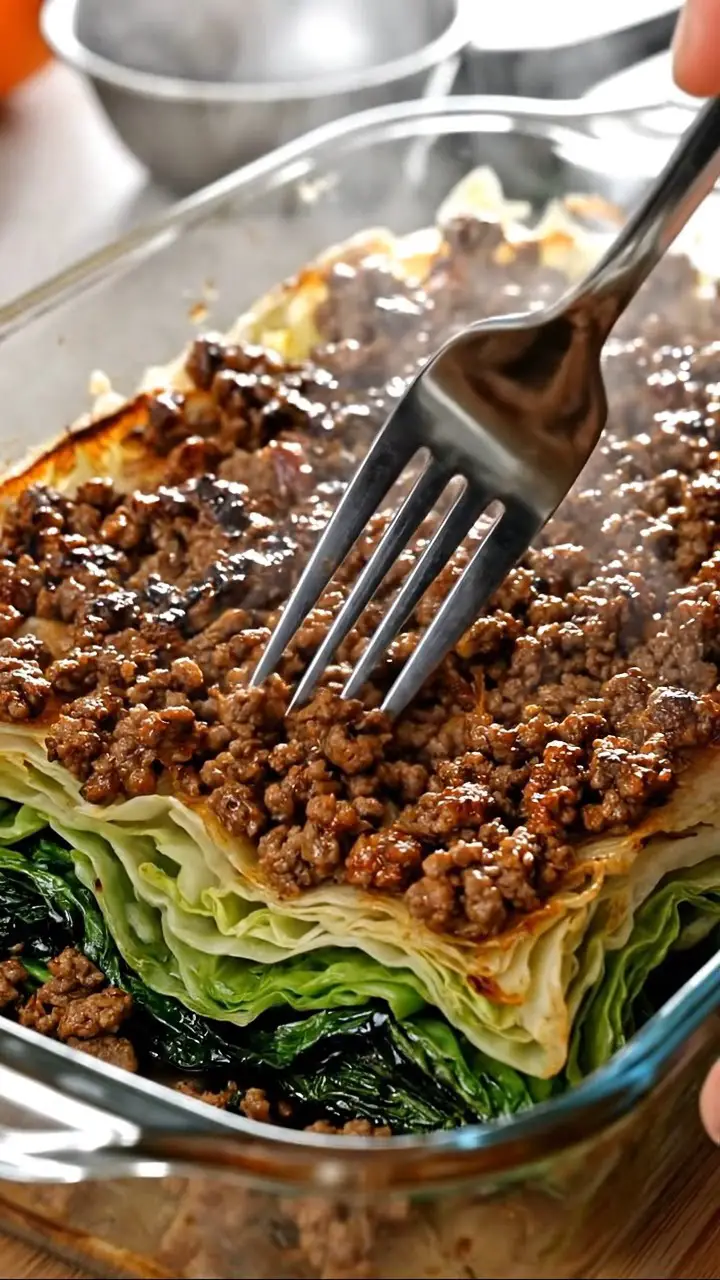
This Oven-Baked 6-Ingredient Beef and Cabbage Casserole brings together simple pantry staples into a warm, hearty dish that feels like home. From the first bite, the combination of tender cabbage, seasoned beef, and melted cheese creates a comforting meal that works perfectly for busy weeknights. Because everything bakes in one dish, cleanup stays minimal while flavor builds naturally in the oven.
What makes this casserole especially appealing is how effortlessly it comes together. You do not need complicated steps or special tools. Instead, you layer, season, and bake. As it cooks, the cabbage softens into a savory base while the beef infuses everything with richness. Meanwhile, the tomato sauce and broth create a light, flavorful gravy that ties the entire dish together.
Although it tastes indulgent, this meal relies on everyday ingredients you likely already have at home. That balance of simplicity and comfort makes it a dependable recipe when time is short but you still want something filling and homemade.
I still remember the first time I made this casserole on a cold evening when I had very little energy to cook. I opened the fridge, saw a head of cabbage and some ground beef, and decided to improvise. I didn’t expect much, but as it baked, the kitchen filled with a warm, savory aroma that felt instantly comforting. When I finally served it, the simple layers had transformed into something surprisingly rich and satisfying. My family went quiet at the table, then immediately asked for seconds, which told me everything I needed to know. Since then, it has become one of those dependable meals I return to whenever I want something easy but deeply comforting.
Ingredients
Equipment
Method
- Preheat oven to 375°F (190°C) and grease a 9×13-inch casserole dish.
- Slice cabbage thinly and spread evenly in the prepared dish.
- Season ground beef with salt, pepper, garlic powder, and onion powder.
- Sprinkle raw seasoned beef over cabbage evenly.
- Mix tomato sauce and beef broth, then pour over casserole.
- Cover and bake for 35 minutes.
- Uncover, add cheese, and bake 10–15 minutes more until bubbly.
- Rest 5–10 minutes before serving.
Notes
Ingredients & Preparation Essentials
Choosing the Best Cabbage and Beef
The foundation of this dish starts with selecting fresh cabbage and quality ground beef. A small head of green cabbage works best because it softens evenly while still holding a pleasant texture after baking. When sliced thinly, it acts like a natural bed for the beef and sauce, absorbing flavor without becoming mushy.
For the beef, an 80–90% lean blend offers the best balance. It provides enough fat to keep the casserole moist while avoiding excess grease. As it cooks, the beef releases savory juices that drip into the cabbage, seasoning it from the inside out. This natural blending of flavors is what makes the dish so satisfying without needing complicated seasoning blends.
Prep Work for Even Baking
Preparation is straightforward, but it plays a big role in the final texture. Start by removing any tough outer cabbage leaves, then slice the head into thin, even shreds. Consistency matters because it ensures everything cooks at the same rate.
After that, lightly grease a glass casserole dish so the cabbage does not stick during baking. This step also helps the bottom layer caramelize slightly, adding depth to the final dish. Meanwhile, seasoning the beef before layering ensures every bite carries balanced flavor rather than uneven pockets of seasoning.
Because this recipe relies on layering rather than pre-cooking, preparation sets the stage for even heat distribution. Taking a few extra minutes here makes the baking process smoother and the final texture more cohesive.
Layering and Flavor Building
Building the Cabbage Base
The cabbage forms the base of this casserole, and it may look like too much at first. However, as it bakes, it reduces significantly in volume. Spreading it evenly across the dish allows it to cook uniformly while absorbing the juices from above.
As the heat works through the layers, the cabbage softens and takes on a mild sweetness. This transformation is what balances the richness of the beef and cheese. Instead of feeling heavy, the casserole develops a layered flavor profile that feels both hearty and fresh.
Because cabbage releases moisture as it cooks, it also helps create a natural steaming effect inside the dish. This keeps everything tender without needing additional oil or complicated cooking methods.
Seasoning and Beef Distribution
Once the cabbage is in place, the seasoned beef gets distributed over the top in small clumps. This method might look uneven at first, but it ensures the beef cooks gently and allows its juices to flow downward into the cabbage.
The seasoning blend of salt, pepper, garlic powder, and onion powder creates a simple but effective flavor base. As the casserole bakes, these spices bloom and deepen, infusing both meat and vegetables with savory warmth.
The tomato sauce and beef broth mixture poured over the top acts as a binding layer. It seeps through the beef and cabbage, creating a light, savory sauce that keeps everything moist. This step is essential for achieving a cohesive texture instead of separate layers.
Baking Process for Perfect Texture
Covered Baking for Tender Cabbage
Covering the casserole during the first stage of baking is crucial. It traps steam inside the dish, allowing the cabbage to soften fully while cooking the beef through gently. This controlled environment prevents dryness and ensures even cooking.
During this phase, the flavors begin to meld. The beef releases juices, the cabbage softens, and the broth mixture spreads throughout the dish. As a result, the casserole develops a rich base before any cheese is added.
Maintaining steady oven heat also helps prevent uneven cooking. Because everything cooks together, the dish becomes more cohesive rather than layered separately.
T=375∘FT = 375^\circ\mathrm{F}T=375∘F
Cheese Topping and Browning
After the initial bake, removing the cover allows moisture to reduce slightly and prepares the surface for cheese. Sprinkling shredded cheddar over the top adds richness and creates a creamy, slightly crisp finish once melted.
As the casserole returns to the oven, the cheese melts into the beef layer and forms a golden topping. If you prefer a deeper flavor, a brief broil at the end enhances browning and adds a subtle toasted note.
This final step brings everything together. The creamy cheese contrasts with the tender cabbage and savory beef, creating a balanced bite every time. Letting the casserole rest afterward helps the layers settle, making serving easier and cleaner.
Serving and Variations
Serving Suggestions for Weeknights
This casserole works beautifully as a complete meal, but it also pairs well with simple sides. A crisp green salad adds freshness, while steamed vegetables like green beans provide extra color and texture.
For a heartier option, serving it over mashed potatoes, rice, or egg noodles turns it into a more filling dinner. Warm bread or rolls also help soak up the savory juices left in the dish.
Because the flavors are mild yet rich, it adapts easily to different preferences at the table. A small spoon of sour cream or a dash of hot sauce can also brighten each serving without overpowering the dish.
Customizations and Storage Tips
One of the best parts of this recipe is its flexibility. You can swap cheddar for mozzarella, Monterey Jack, or a blend depending on your taste. Adding sliced onions or bell peppers introduces extra sweetness and depth.
For a lighter version, ground turkey works well in place of beef. Adjusting seasoning slightly helps maintain flavor balance. Adding red pepper flakes or paprika also introduces gentle heat if desired.
Leftovers store well in the refrigerator and reheat easily in the microwave or oven. In fact, the flavors often deepen overnight, making the next-day portion even more enjoyable. You can also repurpose leftovers into wraps, rice bowls, or stuffed baked potatoes for variety.
FAQ
1. Can I make this casserole ahead of time?
Yes, you can assemble it a day in advance and refrigerate it before baking.
2. Can I use red cabbage instead of green?
Yes, but it may result in a slightly stronger flavor and darker color.
3. Do I need to cook the beef before baking?
No, the beef cooks fully in the oven as it bakes with the cabbage.
4. Can I freeze this casserole?
Yes, it freezes well after baking and cooling completely.
5. How do I prevent the casserole from becoming watery?
Make sure to use the correct amount of broth and allow it to rest before serving.
Conclusion
This casserole delivers comfort without complication. With just a few basic ingredients, it transforms into a warm, filling meal that fits perfectly into busy schedules. The combination of tender cabbage, savory beef, and melted cheese creates a dish that feels both simple and satisfying.
Because it requires minimal effort and cleanup, it easily becomes a go-to option for weeknight dinners. Once you try it, it often earns a permanent place in regular meal rotation thanks to its reliability and comforting flavor.