
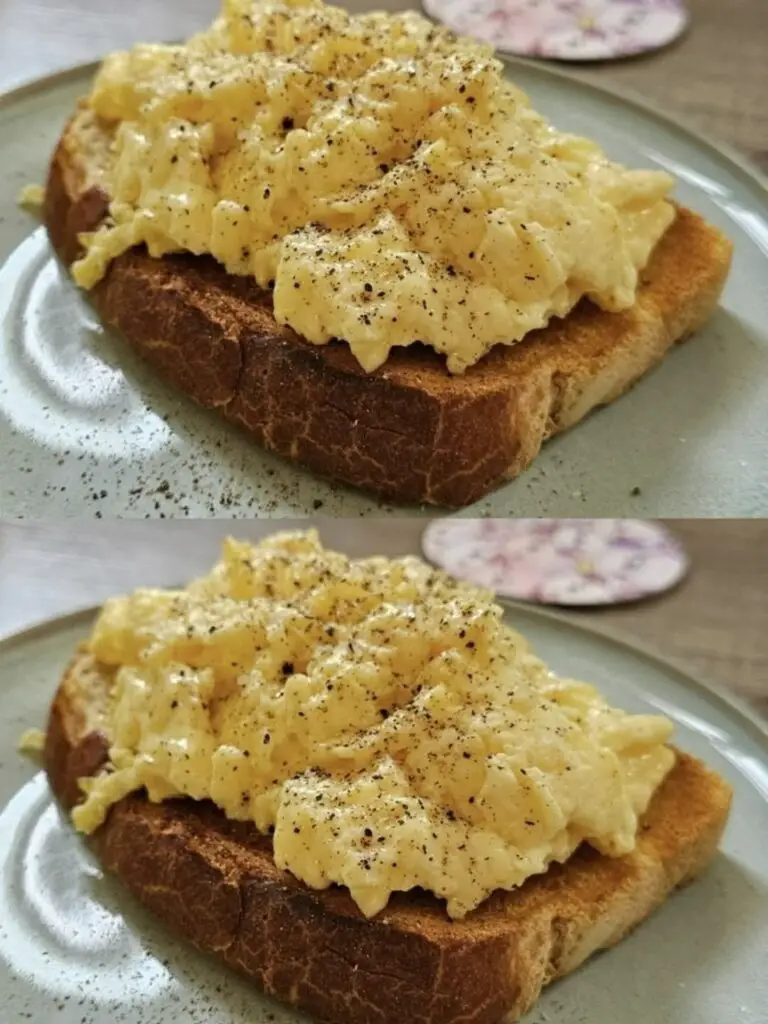
Scrambled eggs are one of the simplest dishes you can make, yet they often turn out dry or rubbery when cooked too quickly. Learning how to make perfect scrambled eggs every time can completely transform your breakfast routine. With just a few ingredients and the right technique, you can create soft, creamy, and delicious eggs that feel restaurant-quality right at home.
6
Although scrambled eggs seem basic, small adjustments in heat, timing, and stirring make a huge difference. Once you understand the process, you will never go back to overcooked eggs again.
One morning, I rushed through breakfast and ended up with dry, crumbly eggs that no one wanted to eat. That moment pushed me to slow down and actually learn the right way to cook them. After a few tries, I noticed how gentle heat and constant stirring changed everything. The eggs became soft, silky, and rich. Since then, this method has become a daily habit, and breakfast feels much more enjoyable.
Ingredients
Equipment
Method
- Crack eggs into a bowl and add milk or cream. Whisk until smooth.
- Heat a non-stick pan over low heat and melt the butter.
- Pour in the egg mixture and let it sit briefly before stirring gently.
- Stir continuously, scraping the pan, until soft curds form.
- Remove from heat while slightly undercooked and season with salt and pepper.
Notes
Understanding the Basics of Perfect Scrambled Eggs
Why Low Heat Matters
Many people cook eggs over high heat because they want quick results. However, high heat causes eggs to cook unevenly and become rubbery. Instead, low heat allows the proteins in the eggs to cook slowly. As a result, the eggs stay soft and creamy rather than firm and dry.
Additionally, cooking slowly gives you more control. You can adjust texture as you go, ensuring the eggs never overcook. This approach may take a few extra minutes, but the difference in quality is undeniable.
The Role of Stirring
Constant stirring is another essential step. While the eggs cook, gently move them around the pan using a spatula. This technique creates small, soft curds instead of large, dry chunks.
Moreover, stirring prevents the eggs from sticking or forming a crust. By keeping the eggs moving, you ensure even cooking throughout. The result is a smooth and velvety texture that feels rich in every bite.
Ingredients That Make a Difference
Choosing the Right Eggs and Dairy
Fresh eggs always produce the best results. Their flavor is richer, and their texture holds together better during cooking. For added creaminess, mix in whole milk or heavy cream before cooking.
While milk adds lightness, cream creates a richer and more indulgent texture. You can choose based on your preference. Either option enhances the softness of the eggs significantly.
Butter and Seasoning Tips
Butter plays a key role in both flavor and texture. It adds richness while also preventing the eggs from sticking to the pan. Always melt the butter over low heat before adding the eggs.
Seasoning is just as important. Salt and pepper should be added carefully. Some people prefer adding salt at the end to maintain tenderness, while others mix it in beforehand for even flavor. Both methods work, so you can experiment and decide what you like best.
Step-by-Step Cooking Method
Preparing the Egg Mixture
Start by cracking four large eggs into a bowl. Add two tablespoons of milk or cream, then whisk until fully combined. The mixture should look smooth and slightly frothy.
Whisking properly incorporates air, which helps create a lighter texture. Avoid over-whisking, though, as it can make the eggs too airy and less creamy.
6
Cooking the Eggs to Perfection
Place a non-stick pan over low heat and melt one tablespoon of butter. Once the butter is fully melted but not browned, pour in the egg mixture.
Let the eggs sit for a few seconds, then begin stirring gently with a spatula. Continue stirring slowly, making sure to scrape the bottom and sides of the pan.
As the eggs begin to thicken, remove the pan from heat briefly while continuing to stir. Then return it to the heat. This on-and-off method prevents overcooking and keeps the eggs soft.
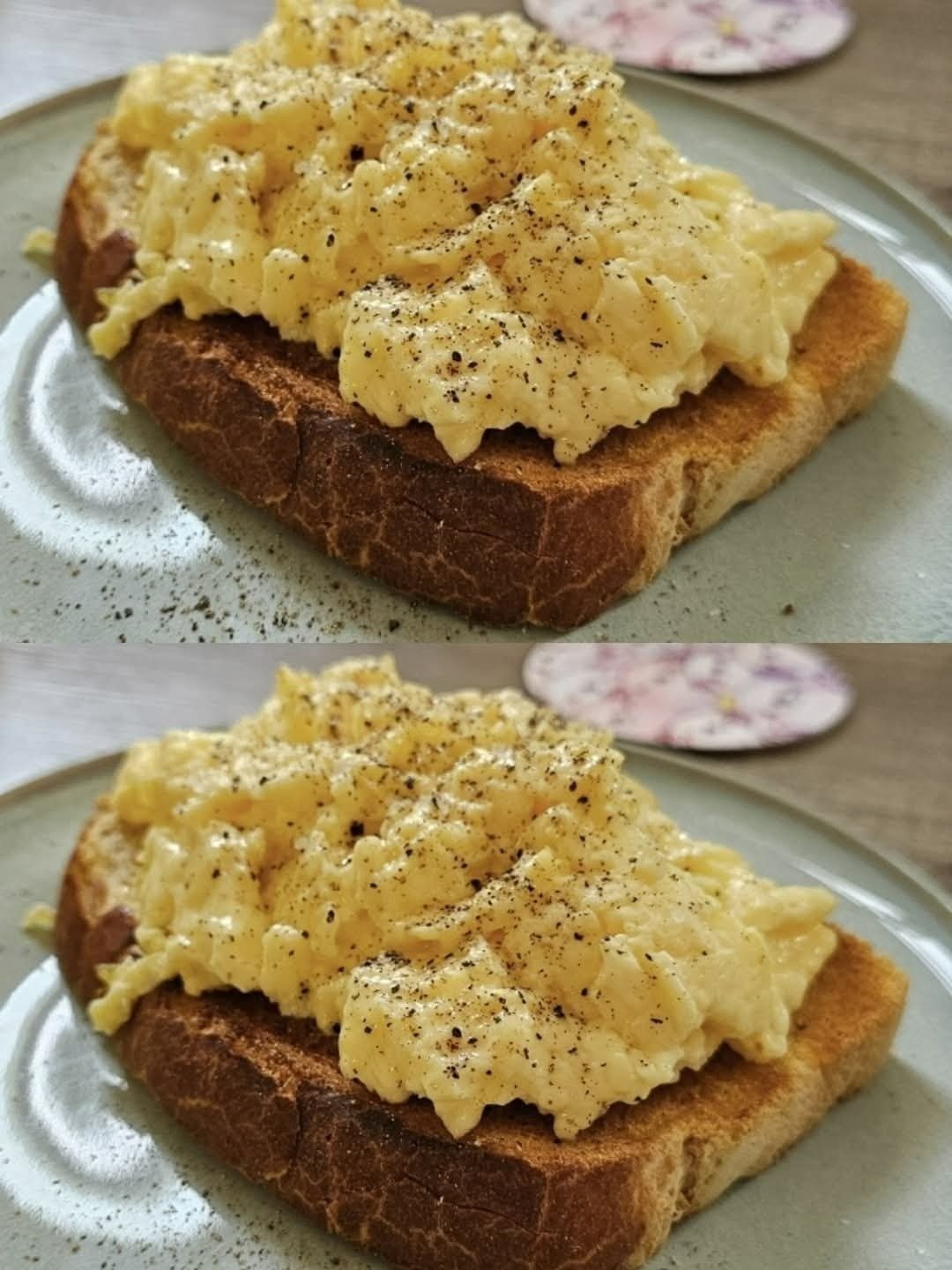
When the eggs look slightly underdone, remove them from the heat completely. They will continue to cook from residual heat, resulting in a perfect creamy consistency.
Flavor Variations and Serving Ideas
Adding Herbs, Cheese, and Extras
Once you master the basic method, you can easily customize your scrambled eggs. Fresh herbs like chives or parsley add brightness and color. Cheese, such as cheddar or mozzarella, brings extra richness and flavor.
You can also include sautéed vegetables like spinach, mushrooms, or tomatoes. These additions not only enhance flavor but also make the dish more nutritious.
6
Serving Suggestions for Any Meal
Scrambled eggs are incredibly versatile. Serve them with toast for a classic breakfast, or pair them with avocado for a healthy option. They also work well in wraps, sandwiches, or alongside roasted vegetables.
For a heartier meal, add bacon or sausage on the side. Meanwhile, for a lighter approach, combine them with fresh greens or fruit. No matter how you serve them, perfectly cooked scrambled eggs always deliver comfort and satisfaction.
Frequently Asked Questions
1. Why are my scrambled eggs dry?
Dry eggs usually result from cooking over high heat or leaving them on the stove too long. Always use low heat and remove them while slightly undercooked.
2. Should I add milk or cream?
Yes, adding milk or cream improves texture. Cream creates richer eggs, while milk keeps them lighter.
3. When should I add salt?
You can add salt before or after cooking. Adding it later may help keep the eggs more tender.
4. How do I know when eggs are done?
They should look soft and slightly glossy. Remove them from heat before they fully set.
5. Can I make scrambled eggs without butter?
Yes, but butter adds flavor and prevents sticking. You can substitute with oil if needed.
Conclusion
Learning how to make perfect scrambled eggs every time is a skill that pays off daily. By using low heat, stirring gently, and paying attention to timing, you can create eggs that are soft, creamy, and full of flavor.
Once you understand the technique, you can easily customize the dish with herbs, cheese, or vegetables. Whether you prepare them for a quick breakfast or a comforting meal, these scrambled eggs will always deliver satisfying results. With practice, this simple dish becomes something truly special.