
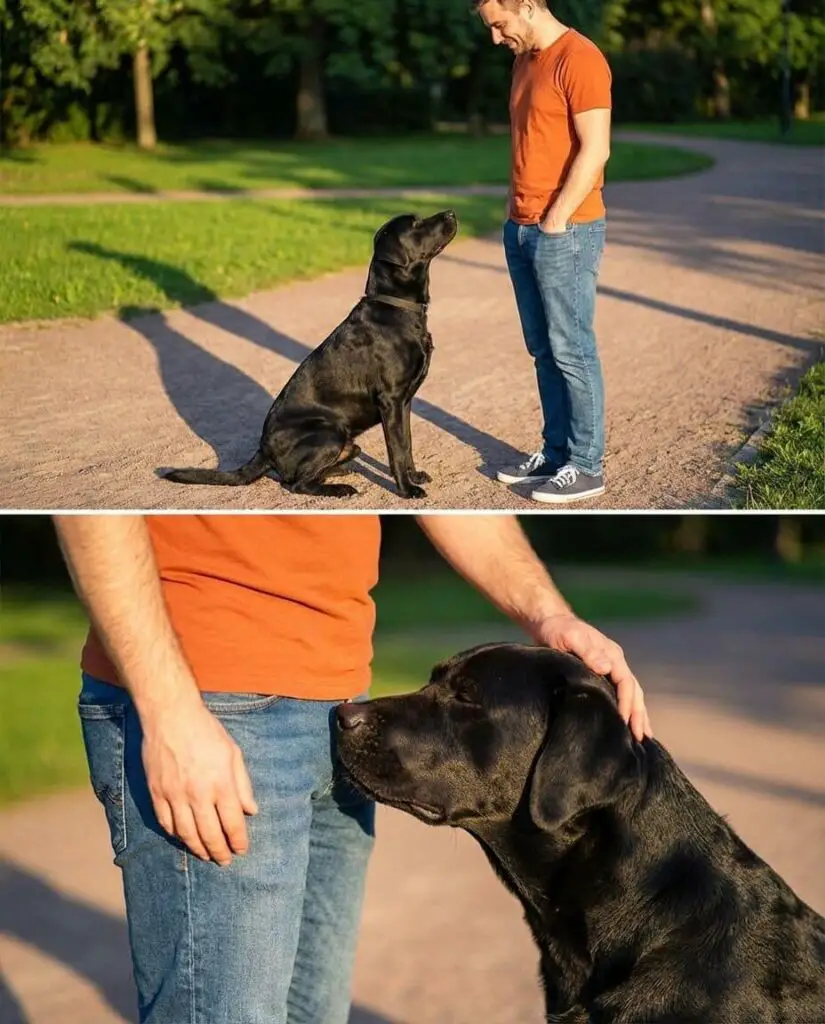
Why Dogs Sniff Certain Areas — The Surprising Reason Behind This Natural Behavior is something every dog owner has witnessed at least once. While it may feel awkward or even embarrassing in public, this behavior is completely natural and plays a vital role in how dogs communicate. What looks strange to humans is actually a highly sophisticated way for dogs to gather information and understand the world around them.
Dogs rely far more on scent than sight or sound. Their noses act like powerful tools that decode detailed information about other animals, environments, and even emotions. As a result, sniffing is not random—it is purposeful, meaningful, and essential to their daily interactions.
I remember taking my dog to a park for the first time and feeling slightly embarrassed when he immediately began sniffing every dog he met. However, as I learned more about canine behavior, I realized he was simply “introducing himself” in the most natural way possible. That moment changed how I viewed this behavior—from awkward to fascinating.
The Science Behind a Dog’s Sense of Smell
A Nose Built for Discovery
Dogs possess an extraordinary sense of smell that far surpasses human ability. In fact, their noses are estimated to be 10,000 to 100,000 times more sensitive than ours.
This incredible ability comes from the large number of scent receptors in their noses. While humans have about 5 million, dogs can have up to 300 million.
Because of this, dogs can detect subtle chemical signals that humans cannot even perceive. Their sense of smell allows them to gather complex information in seconds.
The Role of Pheromones
When dogs sniff certain areas, especially the rear of another dog, they are detecting pheromones. These are chemical signals produced by special glands.
Pheromones carry detailed information, including age, sex, health, and emotional state. In other words, a quick sniff can tell a dog almost everything it needs to know about another animal.
This process is similar to reading a detailed profile, but it happens instantly through scent.
Why Dogs Sniff Each Other
A Natural Form of Greeting
For dogs, sniffing is the equivalent of a handshake. When two dogs meet, they use scent to identify one another and establish familiarity.
This behavior helps them determine whether the other dog is friendly, anxious, or potentially threatening. As a result, sniffing plays a key role in social interaction.
Because it provides so much information, dogs rely on it more than visual cues.
Understanding Social Hierarchies
Sniffing also helps dogs understand social dynamics. By gathering scent information, they can assess status, confidence, and mood.
This allows them to adjust their behavior accordingly. For example, a dog may become more cautious if it senses dominance in another dog.
Therefore, what seems like a simple action is actually part of a complex communication system.
Why Dogs Sniff Humans Too
Gathering Information About You
Dogs do not limit this behavior to other animals—they also sniff humans. While it may feel uncomfortable, your dog is simply trying to learn more about you.
They can detect scents related to your diet, activities, and even emotional state. This helps them understand who you are and what you have been doing.
Because humans have scent glands in certain areas, dogs naturally gravitate toward those spots.
Emotional and Behavioral Insights
Interestingly, dogs can also pick up on emotional changes. They may detect stress, fear, or excitement through subtle chemical signals.
This ability explains why dogs often respond to human emotions so accurately. They are not just observing—they are sensing.
As a result, sniffing helps strengthen the bond between dogs and their owners.
When Sniffing Becomes Excessive
Normal vs. Problematic Behavior
In most cases, sniffing is completely normal and healthy. However, excessive or obsessive sniffing may indicate anxiety or overstimulation.
If a dog becomes fixated or ignores commands, it may be helpful to redirect their attention.
Training and consistent routines can help manage this behavior without suppressing natural instincts.
How to Handle Awkward Situations
Although sniffing is natural, it can sometimes feel awkward in social settings. In these cases, gentle redirection works best.
You can call your dog’s name, offer a command, or guide them away calmly. Avoid punishment, as this behavior is instinctive.
Instead, focus on teaching appropriate boundaries while respecting your dog’s natural communication style.
Frequently Asked Questions
1. Why do dogs sniff each other’s rear?
Because that area contains scent glands that release pheromones with detailed information.
2. Is it rude behavior in dogs?
No, it is a completely normal and polite way for dogs to greet each other.
3. Why does my dog sniff people?
They are gathering information about scent, health, and emotional state.
4. Can dogs really smell emotions?
Yes, they can detect chemical changes linked to emotions like stress or excitement.
5. Should I stop my dog from sniffing?
You can guide behavior in public, but you should not completely prevent it since it is natural.
Conclusion
Why Dogs Sniff Certain Areas — The Surprising Reason Behind This Natural Behavior highlights just how complex and fascinating canine communication truly is. What may seem awkward to humans is actually an essential part of how dogs interact, gather information, and build relationships.
By understanding this behavior, you can appreciate your dog’s natural instincts rather than feeling embarrassed by them. Sniffing is not just a habit—it is a powerful tool that helps dogs navigate their world.
In the end, this simple action reveals just how remarkable a dog’s senses are. Instead of seeing it as strange, you can recognize it as one of the many ways dogs connect with each other—and with us.