Colonoscopy: The Essential Question to Ask Your Doctor Before Your Screening is more than just a medical topic—it’s about understanding your health and taking control of your well-being. While many people feel anxious when they hear the word “colonoscopy,” the truth is that this procedure plays a vital role in preventing serious health issues. With the right mindset and preparation, it becomes far less intimidating and far more empowering.
Instead of focusing on fear, it helps to focus on clarity. When you understand why the procedure is recommended and what it involves, the experience becomes manageable and even reassuring. This guide breaks everything down into simple, practical steps so you can feel confident and informed.
I remember when a close family member had to schedule their first colonoscopy. They were nervous at first, mostly because of things they had heard from others. However, once they spoke openly with their doctor and understood the purpose behind it, their perspective completely changed. The fear faded, replaced by a sense of control and peace of mind. That experience showed me how powerful information can be.
Why This Question Matters Before Your Colonoscopy
Understanding Your Personal Health Needs
Before undergoing a colonoscopy, asking the right question can make all the difference. One of the most important questions you can ask your doctor is:
“Can you help me understand why this is right for me now?”
This simple question opens the door to a meaningful conversation. Instead of feeling like the procedure is being imposed on you, you become an active participant in your healthcare decisions.
Your doctor may explain that you’ve reached the recommended screening age, typically around 45. Alternatively, they may point to specific symptoms or family history that make the test especially important. Because of this, the procedure becomes personalized rather than routine.
Turning Fear Into Confidence
Fear often comes from uncertainty. When you don’t know what to expect, your mind fills in the gaps with worry. However, once you understand the purpose behind the colonoscopy, that fear begins to fade.
By asking questions and gaining clarity, you shift your perspective. Instead of seeing the procedure as something to avoid, you begin to see it as a proactive step toward protecting your health.
This mental shift is powerful. It transforms anxiety into confidence and helps you approach the experience with a calmer mindset.
What a Colonoscopy Really Involves
The Procedure Explained Simply
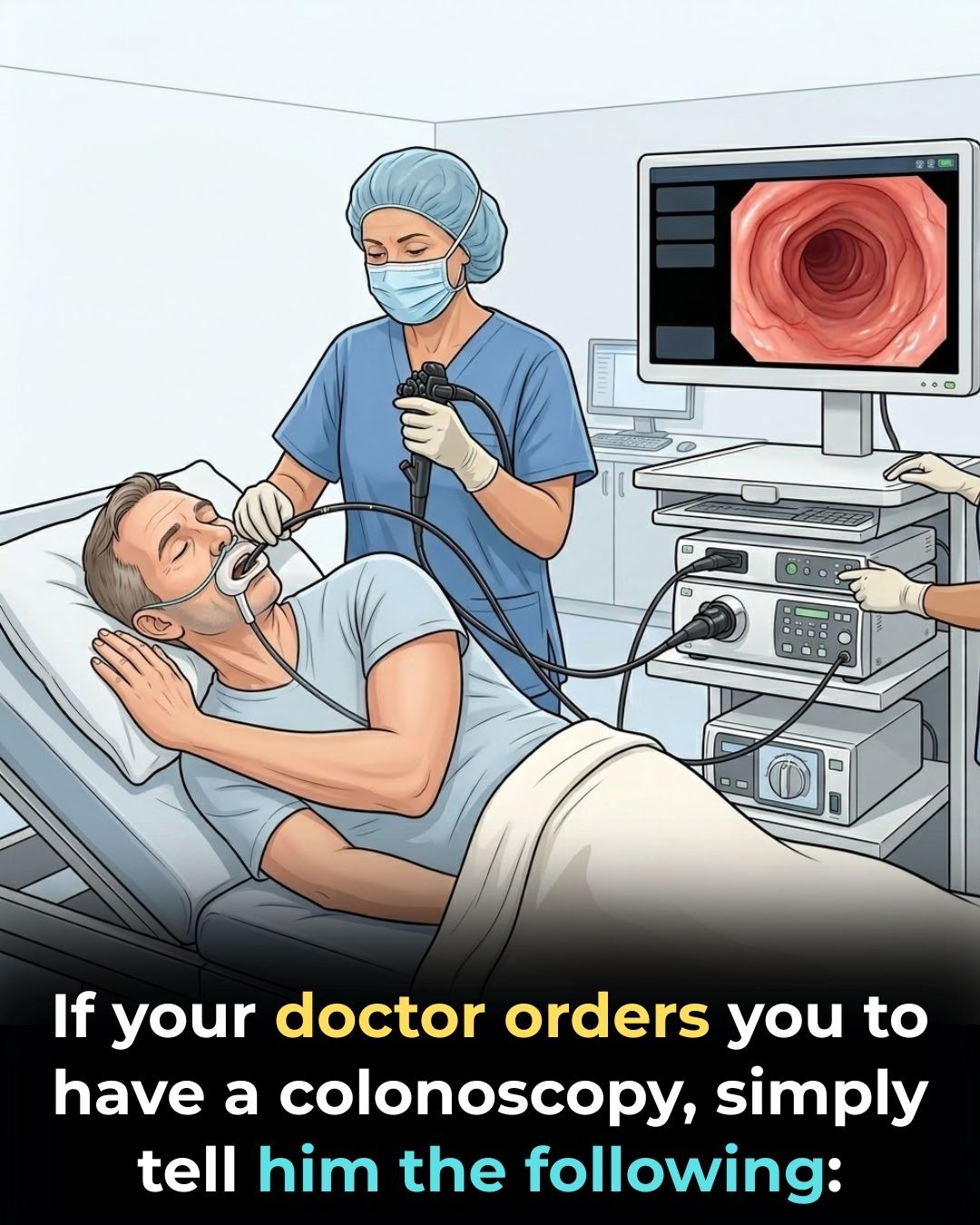
A colonoscopy is a medical procedure that allows doctors to examine the inside of your colon using a thin, flexible tube with a camera. While this may sound intimidating, the reality is much more comfortable than most people expect.
During the procedure, you receive sedation. As a result, most people sleep through it and remember little to nothing afterward. The entire process typically takes between 20 and 45 minutes.
Because of the advanced technology used, doctors can detect even very small abnormalities. This makes the procedure highly effective for early detection.
Why It’s So Important for Prevention
One of the biggest benefits of a colonoscopy is its ability to prevent serious illness. Doctors can identify and remove precancerous polyps during the procedure. This means potential problems can be addressed before they develop into something more serious.
Additionally, the procedure provides a clear and detailed view of the colon. This level of accuracy helps doctors make informed decisions about your health.
Because of these benefits, a colonoscopy is not just diagnostic—it is preventive. It plays a key role in maintaining long-term health.
Preparing for Your Colonoscopy
The Preparation Process
The preparation phase, often called “prep,” is usually the most talked-about part of a colonoscopy. While it may seem inconvenient, it is essential for ensuring accurate results.
Prep typically involves following a clear liquid diet and taking a prescribed solution that cleanses the colon. This allows doctors to see clearly during the procedure.
Although it requires planning, the process is temporary. Most people find that it is manageable when they follow instructions carefully.
Tips to Make Prep Easier
To make the preparation process smoother, start by planning ahead. Stock up on clear liquids such as broth, juice, and electrolyte drinks.
Additionally, stay near a restroom once you begin the cleansing process. This helps reduce stress and keeps you comfortable.
You can also chill the prep solution or use a straw to make it easier to drink. Small adjustments like these can make a big difference.
Managing Anxiety and Staying Calm
Understanding Where Fear Comes From
Many people feel anxious about colonoscopies due to embarrassment or fear of discomfort. However, these concerns are often based on misconceptions.
Medical professionals perform these procedures regularly. They approach their work with professionalism and care, focusing solely on your health.
Understanding this can help reduce feelings of embarrassment. You are not being judged—your health is simply being protected.
Practical Ways to Feel More Comfortable
There are several ways to ease anxiety before your appointment. First, talk openly with your doctor about any concerns. They can provide reassurance and answer your questions.
You can also practice relaxation techniques such as deep breathing or mindfulness. These methods help calm your mind and reduce stress.
Bringing a friend or family member for support can also make a big difference. Knowing someone is there for you adds comfort and confidence.
Frequently Asked Questions
Is a colonoscopy painful?
No, the procedure is not painful because you are sedated. Most people sleep through it comfortably.
How long does the procedure take?
It usually takes about 20 to 45 minutes, depending on individual factors.
What is the hardest part of the process?
The preparation is often considered the most challenging part, but it is temporary and manageable.
How often should I get a colonoscopy?
For most people, every 10 years starting at age 45 is recommended, but this can vary based on personal risk factors.
Can a colonoscopy prevent cancer?
Yes, it can help prevent cancer by detecting and removing precancerous polyps early.
Conclusion
Colonoscopy: The Essential Question to Ask Your Doctor Before Your Screening highlights the importance of understanding your health and making informed decisions. By asking the right questions and preparing properly, you can transform fear into confidence.
This procedure is not something to dread—it is a powerful tool for prevention and peace of mind. With knowledge and preparation, you can approach it with clarity and take an important step toward long-term health.
More Home Remedies
- California Mom Issues Urgent Fireworks Warning After Teen Suffers Devastating Hand Injuries
- This Is the Silent Disease That Can Strike Without Warning
- The Midnight Ache: Understanding Nighttime Leg Cramps and How to Find Relief
- My 8-Year-Old Has Been Experiencing This for Two Months—Understanding Hives in Children