
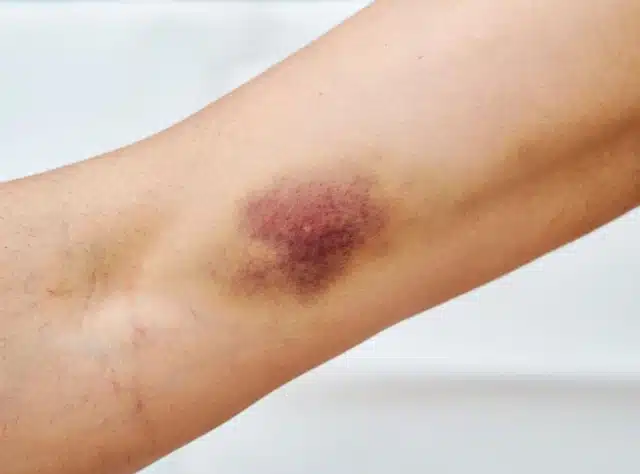
Most people have discovered a bruise at some point without remembering exactly how it happened. You glance at your arm or leg, notice a purple or blue mark, and immediately wonder where it came from. In many cases, the answer is surprisingly simple—a minor bump that barely registered at the time.
However, frequent or unusually large bruises can understandably raise concerns, especially after seeing alarming claims online that link unexplained bruising to serious illnesses. While certain medical conditions can make bruising more common, they are far less common than everyday causes such as aging, medications, or minor injuries.
Understanding how bruises develop and knowing when they deserve medical attention can help separate normal healing from situations that warrant a professional evaluation.
What Happens When You Get a Bruise?
A bruise, also called a contusion, develops when tiny blood vessels beneath the skin break after an injury. Blood leaks into the surrounding tissue, creating the familiar discoloration that gradually changes as the body heals.
The Healing Process Beneath the Skin
Even a small bump can damage delicate capillaries without breaking the skin.
Once bleeding stops, your body begins removing the trapped blood through a carefully coordinated healing process.
As this occurs, bruises typically change color:
- Days 1–2: Dark blue, purple, or black
- Days 3–6: Green as blood pigments begin breaking down
- Days 7–10: Yellow or light brown
- Days 11–14: Gradually fades until it disappears
These color changes are a normal part of healing and usually indicate that your body is repairing itself effectively.
Everyday Reasons You May Bruise Easily
Many unexplained bruises have simple explanations.
Common causes include:
- Minor bumps you don’t remember
- Everyday household accidents
- Carrying heavy bags
- Exercise-related muscle strain
- Small impacts that seemed insignificant at the time
Because bruises often take several hours to become visible, it’s common to forget the event that caused them.
For most healthy people, occasional unexplained bruises are not a cause for concern.
Common Factors That Increase Bruising
Several everyday conditions can make bruises appear more easily, even after very minor injuries.
Aging, Medications, and Nutrition
As people age, the skin naturally becomes thinner and loses some of the protective fat that cushions blood vessels. At the same time, blood vessels become more fragile, allowing even gentle bumps to produce noticeable bruises.
Certain medications may also contribute to easier bruising, including:
- Blood thinners
- Daily aspirin
- Corticosteroids
- Ibuprofen and other anti-inflammatory medications
Some dietary supplements can have similar effects, such as:
- Fish oil
- Ginkgo biloba
- Vitamin E
Nutritional deficiencies may also play a role.
Low levels of vitamin C can weaken blood vessels, while insufficient vitamin K may interfere with normal blood clotting.
Maintaining a balanced diet helps support healthy blood vessels and normal healing.
Sun Damage and Physical Activity
Years of sun exposure gradually reduce collagen in the skin, making it thinner and more susceptible to bruising.
Likewise, strenuous exercise or heavy lifting can place enough stress on muscles and tiny blood vessels to cause small bruises, particularly after unfamiliar or intense workouts.
These causes are generally harmless and resolve naturally as the bruises heal.
Rare Causes and Important Warning Signs
Although most bruises are harmless, there are situations where frequent or unexplained bruising deserves medical attention. In some cases, easy bruising may be related to conditions that affect blood clotting, blood cells, or liver function. These conditions are much less common than everyday causes, but recognizing the warning signs is important.
When Bruising May Signal an Underlying Medical Condition
Certain illnesses can make it easier for blood vessels to bleed or reduce the body’s ability to clot properly.
Examples include:
- Platelet disorders
- Severe liver disease
- Leukemia
- Lymphoma
- Other blood-clotting disorders
However, it is important to remember that bruising alone rarely points to one of these conditions.
Healthcare providers evaluate many factors before making a diagnosis, including a person’s medical history, physical examination, laboratory testing, and the presence of additional symptoms.
Serious illnesses almost always produce more than isolated bruises. Looking at the complete picture is far more informative than focusing on a single symptom.
Symptoms That Should Prompt a Medical Evaluation
While an occasional unexplained bruise is usually not a cause for concern, you should schedule an appointment with a healthcare provider if bruising occurs alongside symptoms such as:
- Tiny red or purple spots on the skin (petechiae)
- Frequent or prolonged nosebleeds
- Bleeding gums
- Heavy menstrual bleeding
- Persistent fatigue
- Unexplained weight loss
- Frequent infections
- Swollen lymph nodes
- Bruises that appear without injury and continue increasing in number
These symptoms do not necessarily indicate a serious illness, but they do deserve prompt medical evaluation so that the underlying cause can be identified.
Caring for Bruises and Supporting Healthy Healing
Most bruises heal on their own within two weeks, and simple home care can help reduce discomfort while the body repairs the damaged tissue.
Tracking Unexplained Bruises
If you notice bruises appearing regularly, keeping a simple record can be helpful when discussing the issue with your healthcare provider.
Consider documenting:
- The date you noticed the bruise
- Its location
- Approximate size
- Whether it is painful
- Changes in color over time
Taking photographs every few days can also help monitor the normal healing process or identify bruises that seem unusually persistent.
Home Treatment and Prevention
During the first 24 to 48 hours after an injury:
- Apply a cold pack wrapped in a towel for 10 to 15 minutes at a time.
- Elevate the affected area when possible to reduce swelling.
After the first two days:
- Switch to warm compresses to encourage circulation and promote healing.
Supporting your overall health may also reduce the likelihood of easy bruising.
Helpful habits include:
- Eating plenty of fruits and vegetables rich in vitamins C and K
- Maintaining adequate hydration
- Exercising safely
- Wearing protective clothing during activities with a higher risk of bumps or falls
- Reviewing medications with your healthcare provider if bruising becomes more frequent
Although most bruises are simply part of everyday life, paying attention to changes in your body is always worthwhile. If bruising becomes unusually frequent, severe, or occurs with other concerning symptoms, seeking medical advice can provide reassurance and ensure that any underlying condition is identified and treated appropriately.
Frequently Asked Questions
Why do bruises sometimes appear without remembering an injury?
Many bruises result from minor bumps or pressure that happen during everyday activities but go unnoticed at the time. Because bruises often do not become visible until several hours later, it is common to forget the small injury that caused them.
Which medications can make bruising more likely?
Several medications can increase the likelihood of bruising by affecting blood clotting or making blood vessels more fragile. These include blood thinners, aspirin, corticosteroids, and some nonsteroidal anti-inflammatory drugs (NSAIDs) such as ibuprofen. Certain supplements, including fish oil, vitamin E, and ginkgo biloba, may also contribute. Always speak with your healthcare provider before stopping or changing any prescribed medication.
When should unexplained bruises be evaluated by a doctor?
Medical evaluation is recommended if bruising is frequent, unusually large, appears without any known injury, or is accompanied by symptoms such as persistent fatigue, frequent infections, prolonged bleeding, swollen lymph nodes, unexplained weight loss, or tiny red or purple spots on the skin known as petechiae. These symptoms may indicate an underlying condition that requires further assessment.
How can I help a bruise heal more quickly?
Applying a cold compress during the first 24 to 48 hours can help reduce swelling and limit bleeding beneath the skin. After that, switching to a warm compress may encourage circulation and support the body’s natural healing process. Eating a balanced diet rich in vitamins C and K also helps maintain healthy blood vessels and normal tissue repair.
Can bruising become more common with age?
Yes. As people grow older, the skin naturally becomes thinner and loses some of the protective fatty tissue that cushions blood vessels. At the same time, blood vessels become more fragile, making bruises more likely after even minor bumps or everyday activities.
Conclusion
Most unexplained bruises are harmless and simply reflect the body’s normal healing process after a minor injury that may have gone unnoticed. Everyday factors such as aging, medications, nutritional deficiencies, sun damage, and strenuous physical activity are far more common causes of easy bruising than serious medical conditions.
At the same time, paying attention to your body’s signals is important. Bruising that becomes frequent, unusually severe, or occurs alongside symptoms such as prolonged bleeding, persistent fatigue, unexplained weight loss, swollen lymph nodes, or frequent infections should be evaluated by a healthcare professional. A thorough medical assessment can determine whether additional testing is needed and provide peace of mind.
Remember that a bruise is usually evidence that your body is repairing itself. Monitoring changes, maintaining a healthy diet, and seeking medical advice when something feels unusual are practical steps that support both your health and your confidence. Staying informed allows you to recognize the difference between normal healing and situations that deserve closer attention, helping you make well-informed decisions about your well-being.