
Introduction
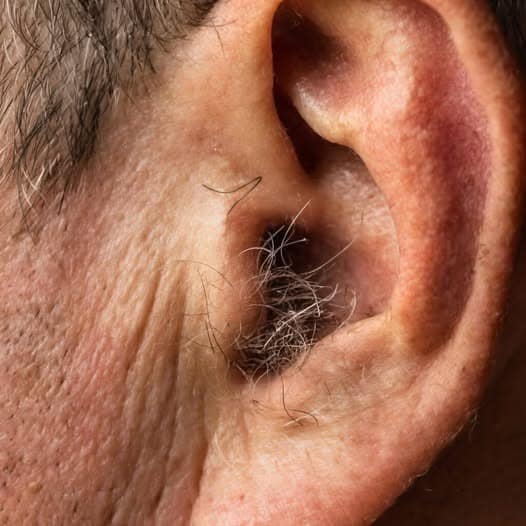
Many people notice that as they get older, hair begins to grow in places it didn’t before—especially on the ears. While this change can feel surprising or even a bit concerning, it is usually completely normal. In fact, ear hair growth is simply the result of natural biological processes such as aging, hormonal shifts, and genetics working together over time. Understanding why this happens can help remove confusion and reassure you that, in most cases, it’s nothing to worry about.
As the body ages, it undergoes many subtle changes. Some are easy to notice, like wrinkles or gray hair, while others—like increased ear or nose hair—can feel unexpected. However, these changes follow predictable patterns influenced by your hormones and how your body regulates hair growth.
I remember noticing this change in my own family. My grandfather, who always looked well-groomed, suddenly started trimming his ears more often. At first, it seemed unusual, but he casually explained that it was just part of getting older. Over time, I realized how common it is. That simple moment sparked my curiosity and helped me understand that aging brings small changes that are completely natural, even if they catch us off guard.
The Role of Hormones in Ear Hair Growth
How Hormones Influence Hair Follicles
Hormones play a major role in regulating hair growth across the body. As people age, hormone levels shift gradually. In particular, androgens—often referred to as male hormones—affect how hair follicles behave.
Testosterone, one of the key hormones, doesn’t just impact muscle growth or voice changes. It also influences hair follicles in different parts of the body. While scalp hair may thin over time, hair in areas like the ears, nose, and eyebrows can become thicker and more noticeable.
This happens because hair follicles respond differently depending on their location. Some follicles shrink, while others become more active. As a result, areas that once had barely visible hair may begin producing coarser strands.
Why Men Notice It More Often
Although both men and women experience hormonal changes with age, men tend to notice ear hair growth more frequently. This is largely due to higher levels of androgens.
As men age, the balance of hormones shifts, which can increase sensitivity in certain hair follicles. Consequently, ear and nose hair may grow faster or thicker than before.
However, women are not completely immune to this change. Post-menopause hormonal shifts can also lead to subtle increases in facial or ear hair, although it is typically less pronounced.
The Natural Aging Process and Hair Growth
Changes in Hair Growth Cycles
Hair doesn’t grow continuously in the same way throughout life. Instead, it follows a cycle that includes growth, rest, and shedding phases. As you age, this cycle changes.
Some hair follicles become dormant, while others become more active. Interestingly, follicles in areas like the ears can enter longer growth phases. This means hair grows longer and becomes more visible over time.
Additionally, aging can affect the thickness of hair. Fine, barely noticeable strands may transform into thicker, darker hair, making them easier to spot.
Dormant Follicles Becoming Active
One of the most surprising aspects of aging is how previously inactive follicles can suddenly become productive. This explains why ear hair might appear “out of nowhere.”
Over decades, the body’s regulatory systems shift. As a result, follicles that once produced minimal hair may start generating more noticeable strands.
This process is gradual. You may not notice it day by day, but over months or years, the difference becomes clear. That’s why many people only become aware of ear hair growth later in life.
Genetics and Individual Differences
Why Some People Have More Ear Hair
Genetics plays a significant role in determining how much ear hair you develop. If your parents or grandparents experienced noticeable ear hair growth, there’s a higher chance you will too.
Your genetic makeup influences how sensitive your hair follicles are to hormones. It also determines the density, thickness, and growth rate of hair in different areas.
Because of this, some people may barely notice any change, while others experience more visible growth.
Ethnic and Family Patterns
In addition to family traits, ethnic background can also influence hair growth patterns. Some populations naturally have thicker or more abundant body hair, which may include ear hair.
These variations are completely normal and reflect the diversity of human biology. Rather than indicating a problem, they simply highlight how differently bodies respond to aging.
Understanding this can help normalize the experience and reduce unnecessary concern.
Is Ear Hair Growth a Health Concern?
When It’s Completely Normal
In most cases, ear hair growth is harmless. It does not indicate disease or poor health. Instead, it reflects the natural aging process combined with hormonal changes.
As long as the hair growth is gradual and not accompanied by other unusual symptoms, there is typically no reason for concern.
In fact, ear hair can serve a small protective function. It helps trap dust and debris, preventing particles from entering deeper into the ear canal.
When to Seek Medical Advice
Although ear hair growth is usually normal, there are rare situations where sudden or excessive changes may require attention.
For example, if hair growth is extremely rapid or accompanied by other hormonal symptoms, it may be worth consulting a healthcare professional. Conditions affecting hormone levels could occasionally influence unusual hair patterns.
However, these cases are uncommon. For the vast majority of people, ear hair growth is simply a routine part of aging.
Grooming and Managing Ear Hair
Safe and Simple Grooming Methods
Many people choose to manage ear hair for cosmetic reasons. Fortunately, there are several easy and safe ways to do this.
Trimming is one of the most common methods. Small grooming scissors or electric trimmers designed for ear and nose hair work well. These tools allow you to maintain a neat appearance without causing discomfort.
Additionally, trimming is quick and requires minimal effort. Regular maintenance can keep hair under control without needing more intensive solutions.
What to Avoid
While grooming is straightforward, some methods should be avoided. For instance, plucking ear hair can be painful and may lead to irritation or infection.
Waxing is another option, but it carries risks if not done carefully. The skin inside the ear is sensitive, so improper techniques can cause damage.
Therefore, gentle trimming remains the safest and most recommended approach.
Frequently Asked Questions
1. Why does ear hair grow more as we age?
Ear hair grows more due to hormonal changes, especially involving testosterone, and shifts in the hair growth cycle.
2. Is ear hair growth a sign of high testosterone?
Not necessarily. While hormones influence hair growth, ear hair is a normal part of aging rather than a direct indicator of hormone levels.
3. Do women get ear hair too?
Yes, but it is usually less noticeable. Hormonal changes can still cause mild growth in some cases.
4. Can ear hair stop growing?
Hair growth patterns are influenced by biology, so it won’t completely stop. However, regular trimming can manage it effectively.
5. Is it safe to remove ear hair?
Yes, as long as you use safe methods like trimming. Avoid plucking or aggressive techniques.
Conclusion
Ear hair growth may seem surprising at first, but it is a completely natural part of aging. As hormones shift and hair follicles respond differently over time, areas like the ears, nose, and eyebrows can develop more noticeable hair.
While this change can feel unexpected, it rarely signals any health problem. Instead, it reflects the body’s evolving processes. With simple grooming habits, managing ear hair is easy and safe.
Ultimately, understanding why this happens helps remove uncertainty. Aging brings many small changes, and ear hair growth is just one of them—completely normal, predictable, and manageable.