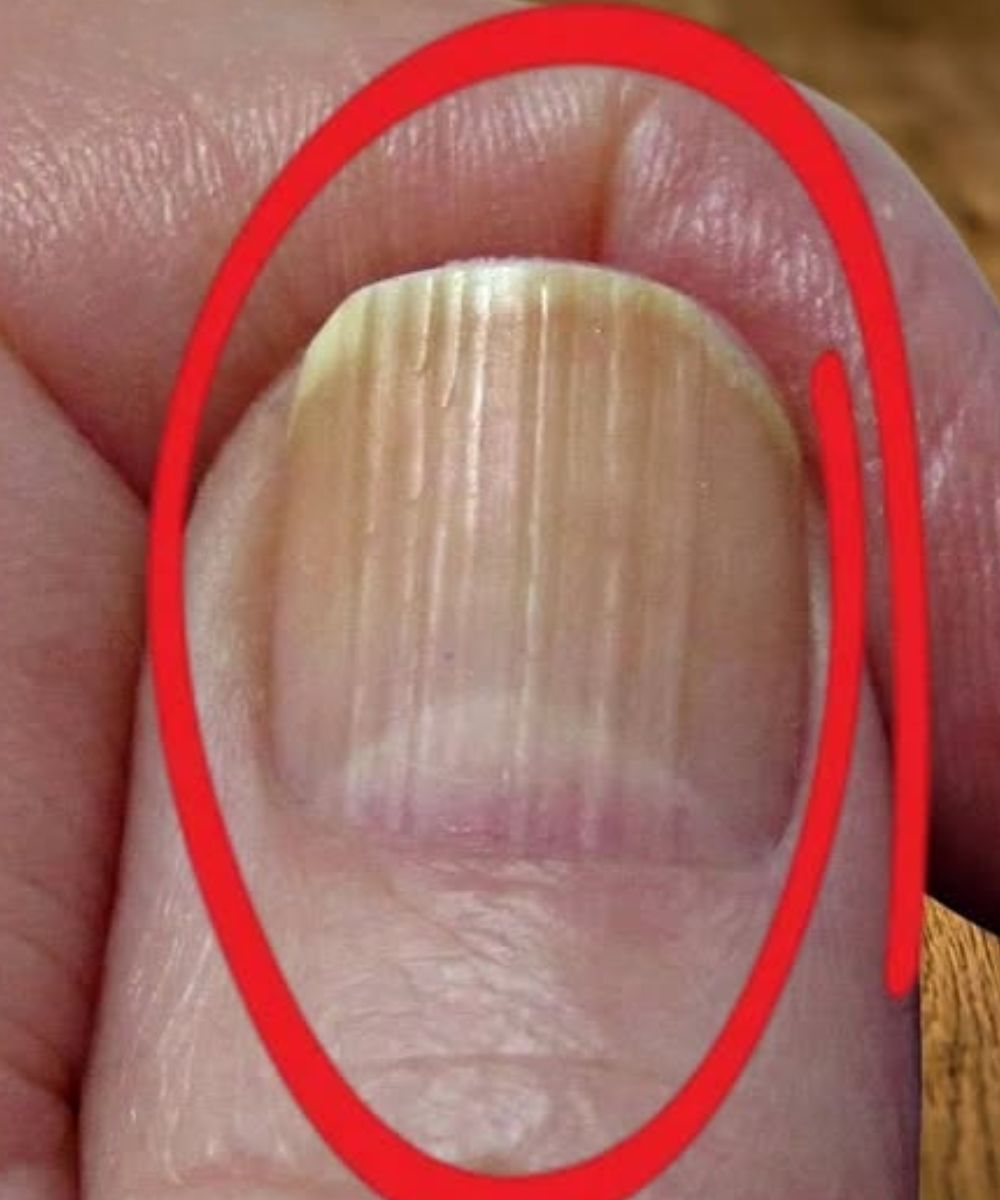
Have you ever looked closely at your nails and noticed thin vertical lines running from the base to the tip? If so, you are definitely not alone. These lines, commonly called vertical ridges or longitudinal ridges, are very common and often become more noticeable with age.
For many people, seeing changes in their nails can feel alarming at first. However, in most cases, vertical nail lines are simply a natural part of the aging process rather than a serious medical problem.
Our nails often reflect small changes happening inside the body. Just as skin develops wrinkles and hair changes texture over time, nails also evolve with age. Understanding these changes can help reduce unnecessary worry while encouraging healthy habits that support stronger nails overall.
A few years ago, I noticed faint ridges beginning to appear on my thumbnails. At first, I worried something might be wrong because my nails had always looked smooth before. I started paying closer attention to my diet, hydration, and nail care routine. After learning more about nail health, I realized these lines are extremely common, especially as people get older. That experience taught me how many normal body changes can seem frightening until we understand them better. Since then, I have become much more aware of how important simple habits like hydration and nutrition can be for maintaining healthy nails.
What Are Vertical Nail Lines?
Understanding Longitudinal Ridges
Vertical nail lines are raised ridges that travel from the cuticle upward toward the tip of the nail. These lines may appear faint at first, but they often become more visible over time.
Unlike horizontal lines across the nail, vertical ridges are usually harmless. They commonly develop gradually and naturally as part of aging.
In many cases, the ridges appear on multiple nails at once rather than only one finger. Some people notice them beginning in middle age, while others may develop them earlier depending on genetics, lifestyle, hydration, or overall nail health.
The image shown here displays a classic example of vertical nail ridges.
Why Nails Change With Age
As the body ages, natural production of important proteins and oils slowly decreases. One important protein involved in nail health is keratin.
Keratin helps keep nails smooth, firm, and strong.
Over time, reduced moisture and lower keratin production can cause nails to become thinner, drier, and more textured. That texture often appears as visible vertical lines.
Aging may also slightly reduce circulation efficiency, meaning nutrients reach the nail matrix less effectively. Since the nail matrix controls nail growth, even subtle changes can affect the nail’s appearance.
These natural changes explain why vertical ridges become increasingly common after age 40.
Are Vertical Nail Lines Ever Serious?
Most Cases Are Completely Harmless
Fortunately, vertical ridges are usually not dangerous.
In most situations, they are simply cosmetic changes linked to aging and dryness. Many healthy adults develop them over time without experiencing any medical issues.
However, the appearance of the lines can vary from person to person. Some ridges remain extremely faint, while others become more noticeable depending on genetics and nail thickness.
Because nails grow slowly, changes often happen gradually over months or years.
When You Should Pay Attention
Although vertical ridges are normally harmless, certain nail changes may deserve medical attention.
You should pay closer attention if you notice:
- Sudden deep ridges appearing quickly
- Dark streaks or unusual discoloration
- Nails becoming brittle or splitting easily
- Changes in nail shape
- Pain or swelling around the nail
These symptoms could occasionally point toward dehydration, nutritional deficiencies, fungal infections, or other health conditions.
For example, low iron levels, vitamin deficiencies, or thyroid issues can sometimes affect nail texture and appearance.
If nail changes happen suddenly or seem severe, speaking with a healthcare professional is always the safest option.
Common Causes of Vertical Nail Ridges
Aging and Dehydration
The most common cause of vertical nail ridges is simple aging combined with dryness.
As nails lose moisture, their surface may become rougher and less flexible. This creates visible ridges running vertically along the nail.
Dehydration can worsen the appearance significantly. People who frequently wash their hands, use harsh cleaning chemicals, or live in dry climates may notice nail ridges more clearly.
Cold weather can also increase nail dryness during winter months.
Nutritional Factors and Lifestyle Habits
Nutrition plays an important role in nail health.
Deficiencies in nutrients such as:
- Biotin
- Iron
- Zinc
- Protein
- Vitamin B12
can sometimes contribute to weaker or rougher nails.
Lifestyle habits also matter.
Frequent use of nail polish remover, acrylic nails, or harsh chemicals may weaken nail surfaces over time. Repeated trauma to the nail can also create uneven textures and ridges.
Stress, poor sleep, and inadequate hydration may further affect nail appearance.
How to Improve Nail Health Naturally
Simple Habits That Help
Although vertical ridges may not disappear completely, healthy habits can improve nail appearance and strength.
Some helpful steps include:
- Drinking enough water daily
- Using moisturizing hand creams
- Applying cuticle oils regularly
- Wearing gloves while cleaning
- Avoiding excessive nail buffing
Hydration remains one of the simplest yet most effective ways to support healthier nails.
Moisturized nails tend to appear smoother and stronger overall.
Eating for Stronger Nails
A balanced diet supports healthy nail growth from within.
Foods rich in protein, healthy fats, vitamins, and minerals help nourish the nail matrix and encourage stronger nail development.
Good nail-supporting foods include:
- Eggs
- Salmon
- Nuts
- Leafy greens
- Beans
- Avocados
Biotin-rich foods may be especially beneficial for improving nail strength and reducing brittleness.
Additionally, maintaining overall health often improves nail quality naturally over time.
Why Nails Reflect Overall Health
Nails Can Reveal Small Body Changes
Doctors sometimes examine nails because they can reveal subtle clues about general health.
Changes in texture, color, thickness, or growth patterns occasionally reflect internal conditions affecting the body.
However, it is important not to panic over every small change. Many nail variations are completely normal and harmless.
Vertical ridges are one of the most common examples of normal age-related nail changes.
Paying Attention Without Overreacting
The key is balance.
Paying attention to your nails can help you notice unusual changes early, but small imperfections do not automatically mean something serious is wrong.
Most people will eventually notice some degree of ridging as they age.
Understanding what is normal can prevent unnecessary fear while encouraging healthy self-care habits.
FAQ
What causes vertical lines on fingernails?
Vertical lines are usually caused by aging, dryness, and natural changes in nail growth over time.
Are vertical nail ridges dangerous?
In most cases, no. They are generally harmless and considered a normal part of aging.
Can dehydration affect nails?
Yes. Dehydration can make nails drier and cause ridges to appear more noticeable.
Should I worry about deep nail ridges?
If ridges suddenly become severe, painful, or accompanied by discoloration, it is best to consult a healthcare professional.
Can diet improve nail health?
Yes. Nutrients such as biotin, iron, zinc, and protein help support healthy nail growth.
Conclusion
Vertical lines on the nails may seem concerning at first, but they are often a completely normal part of getting older. Just like wrinkles on the skin or changes in hair texture, nails naturally change with age.
While dehydration, nutrition, and lifestyle habits can influence nail appearance, most vertical ridges are harmless and manageable through healthy daily care.
The important thing is to stay aware of major or sudden nail changes while avoiding unnecessary panic over common aging signs.
By staying hydrated, eating nutritious foods, and protecting your nails from damage, you can help keep them healthy and strong for years to come.