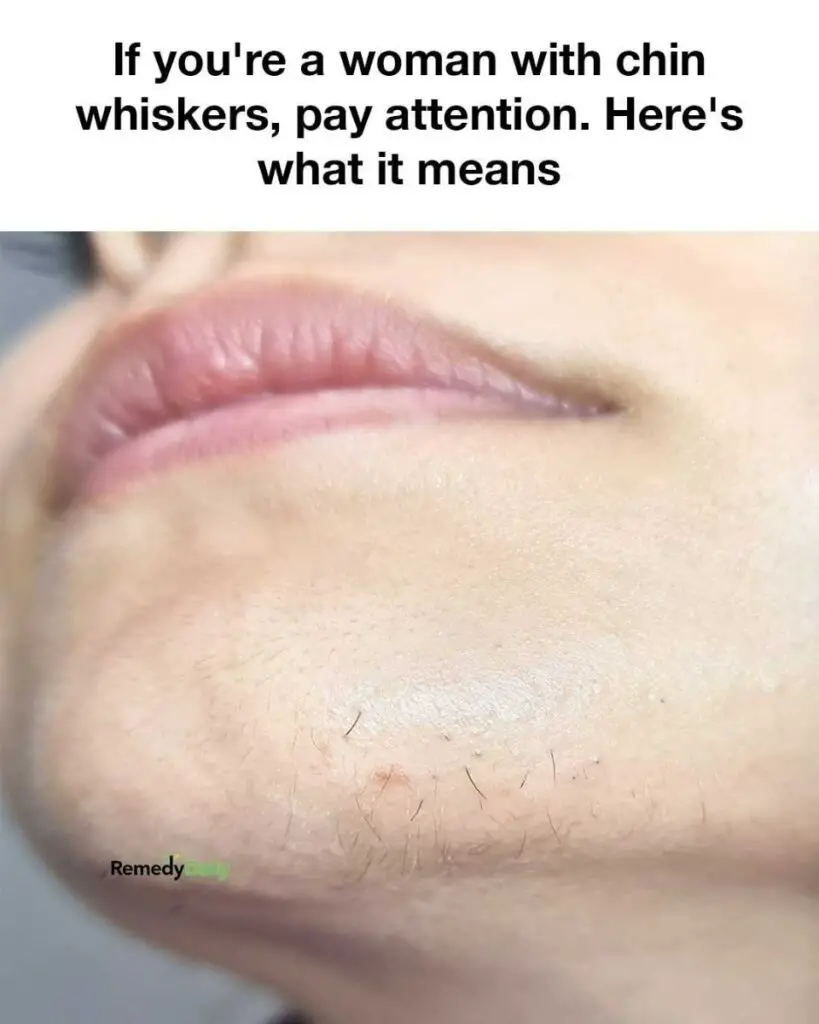
What Chin Whiskers Could Be Telling You About Your Health is something many people quietly wonder about. While a few stray hairs are usually harmless, noticeable changes in thickness, color, or frequency can sometimes reflect what’s happening inside your body. Understanding these signs helps you respond calmly and make informed decisions about your health.
I first noticed a few stubborn chin hairs during a stressful period when my routine and sleep were off. At first, I ignored them. However, as they became more frequent, I started paying closer attention to my overall health. That small change pushed me to learn more about how hormones and lifestyle can affect the body in subtle ways.
Common and Harmless Causes of Chin Whiskers
Hormonal Fluctuations
Hormones play a major role in hair growth. Androgens, often called male hormones, exist in everyone. When their levels shift slightly, even within a normal range, they can trigger facial hair growth.
This often happens during life stages such as puberty, pregnancy, or menopause. Although it may feel unexpected, it is usually not a cause for concern.
Aging and Genetics
As you age, your body produces less estrogen. Because of this, androgen effects become more noticeable, which can lead to darker or coarser chin hairs.
At the same time, genetics strongly influence hair patterns. If women in your family have experienced chin whiskers, you are more likely to notice them as well.
When Chin Whiskers May Signal a Health Issue
Sudden or Excessive Hair Growth
If chin hair appears suddenly, grows rapidly, or becomes significantly thicker, it may indicate a hormonal imbalance. This change deserves attention, especially if it happens alongside other symptoms.
For instance, irregular menstrual cycles or persistent acne may suggest an underlying issue rather than a natural variation.
Related Symptoms to Watch
It is important to look at the bigger picture. Chin whiskers alone rarely point to a serious problem. However, when combined with other signs, they may provide useful clues.
Watch for symptoms such as unexplained weight gain, fatigue, or changes in skin condition. These patterns can help identify whether further evaluation is needed.
Possible Medical Conditions Linked to Chin Hair
Polycystic Ovary Syndrome (PCOS)
This common hormonal condition can lead to increased androgen levels. As a result, some individuals experience facial hair growth, irregular periods, and acne.
Although it sounds concerning, many people manage it successfully with proper care and lifestyle adjustments.
Thyroid Disorders
The thyroid regulates many body functions, including metabolism and hormone balance. When it does not function properly, it can indirectly affect hair growth patterns.
Both overactive and underactive thyroid conditions may lead to noticeable changes in hair distribution.
Managing and Reducing Chin Whiskers
Simple At-Home Solutions
If chin whiskers are mild and not linked to a medical issue, simple grooming methods work well. Tweezing, waxing, or threading can keep the area smooth.
In addition, maintaining a balanced diet and managing stress can support hormonal balance over time.
When to Seek Professional Advice
If you notice persistent or worsening symptoms, it is wise to consult a healthcare provider. They may recommend blood tests or other evaluations to check hormone levels.
Early attention can help address underlying causes before they become more complicated.
Frequently Asked Questions
1. Are chin whiskers normal?
Yes, they are very common and usually harmless, especially with age or minor hormonal changes.
2. Can stress cause chin hair growth?
Stress can influence hormone levels, which may contribute to changes in hair growth patterns.
3. Should I be worried about a few chin hairs?
No, a few hairs are typically not a concern unless they increase suddenly or come with other symptoms.
4. Can diet affect facial hair growth?
A balanced diet supports hormone health, which can influence hair growth indirectly.
5. When should I see a doctor?
If you notice rapid growth, thick hair, or additional symptoms like irregular cycles or fatigue, it’s best to seek advice.
Conclusion
What Chin Whiskers Could Be Telling You About Your Health often comes down to understanding your body’s signals. In most cases, these hairs are a normal part of aging or genetics. However, when changes are sudden or paired with other symptoms, they can offer valuable insight into your overall health. By staying aware and informed, you can approach these changes with confidence and take action when needed.