The way our bodies store fat is often viewed through the lens of aesthetics, but it actually provides essential clues about our overall health. Fat distribution is not uniform, and where your body stores fat can indicate potential risks for chronic diseases, hormonal imbalances, and metabolic issues. Recognizing your fat distribution pattern can empower you to take proactive steps toward better health, guiding your choices in diet, exercise, and lifestyle.
In this article, we’ll explore the major types of body fat distribution, the associated health risks, and evidence-based strategies to manage each type effectively.
1. Upper Body Fat (Apple Shape)
Where It Appears
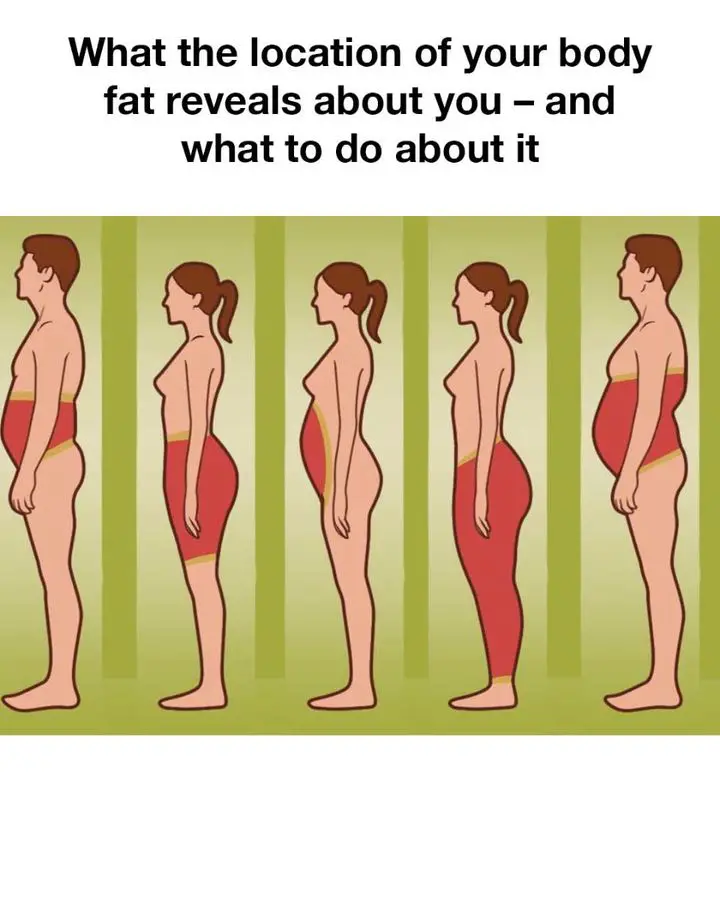
Individuals with an apple-shaped body tend to carry more fat around the abdomen, chest, and back. This pattern is more common in men than women but can appear in both sexes. People with this type of fat distribution often notice a protruding belly even if the rest of their body seems relatively slim.
Health Risks
Apple-shaped fat distribution is strongly associated with visceral fat, the deep fat that surrounds internal organs. Visceral fat is metabolically active and can release inflammatory molecules and hormones that disrupt insulin sensitivity, increasing the risk of type 2 diabetes, heart disease, and metabolic syndrome. Research has consistently shown that abdominal fat correlates with higher blood pressure, elevated cholesterol levels, and chronic inflammation, all of which contribute to cardiovascular disease.
Recommended Strategies
Managing upper body fat requires a multifaceted approach:
- Cardiovascular Exercise: Activities like running, swimming, cycling, or brisk walking help burn calories and reduce visceral fat. Aim for at least 150 minutes of moderate-intensity cardio per week.
- Strength Training: Building lean muscle, especially in the upper body and core, boosts metabolism and supports fat loss. Focus on compound movements like push-ups, pull-ups, and bench presses.
- Balanced Diet: Emphasize whole foods, lean proteins, healthy fats, and complex carbohydrates. Reducing refined sugar and processed foods helps control insulin spikes, which can worsen visceral fat accumulation.
- Stress Management: Chronic stress elevates cortisol, a hormone that encourages fat storage in the abdomen. Meditation, yoga, or simple breathing exercises can help regulate stress levels.
2. Lower Body Fat (Pear Shape)
Where It Appears
Pear-shaped bodies tend to store fat in the hips, thighs, and buttocks. This pattern is more common in women, partly due to hormonal influences such as estrogen. Fat is stored subcutaneously in these regions, giving a softer, curvier appearance.
Health Risks
While lower body fat is generally less harmful than upper body fat, it is not risk-free. Excess fat in the legs and hips can contribute to joint problems, including knee and hip issues, as well as varicose veins due to increased pressure on veins. Unlike visceral fat, lower body fat is less metabolically active and therefore carries a lower risk of metabolic diseases.
Recommended Strategies
Reducing lower body fat and improving mobility involves a combination of cardiovascular exercise, strength training, and diet:
- Aerobic Exercise: Activities like cycling, jogging, or stair climbing target the lower body and help burn stored fat.
- Strength Training: Squats, lunges, deadlifts, and leg presses build lean muscle in the hips and thighs, which enhances metabolism.
- Balanced Diet: Focus on nutrient-dense foods with plenty of fiber and protein. Limiting refined carbohydrates and sugary snacks can prevent fat accumulation.
- Mobility and Flexibility: Stretching, yoga, and foam rolling can support joint health, reduce muscle tightness, and prevent discomfort from excess lower body fat.
3. Total Body Fat (Overweight/Obese)
Characteristics
Some individuals accumulate fat evenly throughout the body. This pattern typically indicates overall overweight or obesity. It may affect men and women equally and is often the result of chronic excess calorie intake, sedentary behavior, and genetic predisposition.
Health Risks
Even fat distribution carries significant health risks. Excess fat throughout the body places stress on all organs and increases the risk of:
- Heart disease
- Type 2 diabetes
- Sleep apnea
- Joint degeneration
- Certain cancers
The impact is cumulative, as every organ system can be affected by chronic obesity.
Recommended Strategies
Addressing overall body fat requires comprehensive interventions:
- Calorie Monitoring: Keep track of daily intake and aim for a sustainable caloric deficit if weight loss is desired. Tools like food diaries or apps can help.
- Regular Physical Activity: Combine aerobic exercises with resistance training to maximize fat loss while preserving lean muscle.
- Behavioral Therapy: Cognitive-behavioral strategies can help address emotional eating and unhealthy habits.
- Medical Interventions: In some cases, prescription weight-loss medications or bariatric surgery may be considered, especially for individuals with obesity-related comorbidities.
4. Visceral Fat
Location
Visceral fat is stored deep within the abdominal cavity, surrounding vital organs such as the liver, pancreas, and intestines. Unlike subcutaneous fat, you cannot pinch it—it accumulates internally and can silently cause metabolic disruptions.
Health Risks
Visceral fat is particularly dangerous due to its metabolic activity. It produces inflammatory cytokines and hormones that interfere with insulin, increasing the risk of type 2 diabetes, cardiovascular disease, fatty liver disease, and certain cancers. High levels of visceral fat are also linked to chronic inflammation, which can accelerate aging and contribute to autoimmune conditions.
Recommended Strategies
Reducing visceral fat involves lifestyle changes that focus on both activity and diet:
- High-Intensity Interval Training (HIIT): Short bursts of intense exercise followed by rest periods are highly effective for visceral fat reduction.
- Dietary Adjustments: Focus on a low-carb, low-sugar diet with lean proteins, vegetables, and whole grains.
- Stress Management: Cortisol from chronic stress promotes abdominal fat storage, so mindfulness practices and adequate sleep are crucial.
- Sleep: Aim for 7–9 hours of quality sleep, as insufficient sleep is linked to higher visceral fat accumulation.
5. Subcutaneous Fat
Location
Subcutaneous fat lies just beneath the skin and is the type you can pinch. It’s more visible and tends to give the body its soft contours. While less harmful than visceral fat, excessive subcutaneous fat can still contribute to obesity-related health problems.
Health Risks
While subcutaneous fat carries lower metabolic risks, it can:
- Lead to joint strain and mobility issues
- Contribute to insulin resistance if present in excess
- Affect self-esteem and body image, impacting mental health
Recommended Strategies
Managing subcutaneous fat involves consistent, whole-body approaches:
- Cardiovascular Exercise: Running, swimming, and cycling help burn calories and reduce overall fat levels.
- Strength Training: Building lean muscle increases resting metabolic rate, aiding fat loss.
- Balanced Diet: Focus on whole foods, portion control, and reducing processed snacks.
- Hydration and Sleep: Adequate water intake supports metabolism, and sufficient sleep regulates hunger hormones like leptin and ghrelin.
Understanding Your Body Fat Type
To effectively manage your health, it’s important to identify your fat distribution pattern. Here’s a quick guide:
- Apple-shaped: Waist circumference greater than hips; fat concentrated in the abdomen.
- Pear-shaped: Hips wider than waist; fat concentrated in thighs and buttocks.
- Evenly distributed: Fat throughout the body; typically indicates overweight or obesity.
- Visceral fat accumulation: Large waist circumference or “belly fat,” even if overall body weight is normal.
- Subcutaneous fat dominance: Soft, pinchable fat, often in thighs, arms, or belly.
You can measure waist-to-hip ratio, use body composition scales, or consult a healthcare provider for accurate assessment.
The Role of Genetics and Hormones
Fat distribution is influenced by both genetics and hormones:
- Genetics: Your DNA influences where your body prefers to store fat. Some families tend to store fat in the abdominal area, while others carry it in the hips and thighs.
- Hormones: Hormones like estrogen, testosterone, cortisol, and insulin play a major role in fat storage. For example, estrogen promotes lower-body fat storage in women, while testosterone influences upper-body muscle and fat distribution in men.
- Age: Aging decreases lean muscle mass and shifts fat storage, often increasing visceral fat in the abdominal area.
Understanding these factors can help tailor strategies to your individual needs.
Lifestyle Factors That Affect Fat Distribution
Lifestyle choices can exacerbate or mitigate fat accumulation:
- Diet: High-sugar, high-fat diets increase overall fat storage, while diets rich in fiber, protein, and micronutrients support healthy metabolism.
- Exercise: Sedentary behavior promotes fat gain, particularly visceral fat. Combining cardio with strength training is ideal.
- Sleep: Chronic sleep deprivation alters hormones that control appetite and fat storage.
- Stress: Prolonged stress increases cortisol, which encourages abdominal fat accumulation.
- Alcohol Consumption: Alcoholic drinks contribute calories and can specifically promote visceral fat gain.
Health Implications of Ignoring Fat Distribution
Neglecting fat distribution and focusing solely on weight can be misleading. Two individuals with the same weight may have drastically different health profiles depending on where their fat is stored. High visceral fat, even with a normal BMI, can increase the risk of cardiovascular disease—a phenomenon known as “normal weight obesity.”
Ignoring fat distribution can also:
- Delay identification of metabolic issues
- Increase risk of chronic inflammation
- Impact quality of life through joint problems and mobility limitations
Integrative Strategies for Healthy Fat Distribution
- Targeted Exercise: Mix cardio, resistance training, and flexibility exercises.
- Nutrient-Dense Diet: Emphasize vegetables, fruits, lean proteins, and healthy fats.
- Stress Management: Meditation, yoga, and mindfulness reduce cortisol levels.
- Sleep Hygiene: Prioritize consistent, quality sleep.
- Regular Health Check-Ups: Monitor blood pressure, glucose, and cholesterol levels.
- Behavioral Approaches: Track habits, set goals, and seek support if needed.
Key Takeaways
- Fat distribution provides insights beyond body weight—it’s a crucial indicator of metabolic and cardiovascular health.
- Apple-shaped bodies: focus on visceral fat reduction through cardio, strength training, and diet.
- Pear-shaped bodies: emphasize lower-body mobility, leg strength, and balanced nutrition.
- Evenly distributed or overweight: adopt comprehensive lifestyle strategies for overall fat reduction.
- Genetics, hormones, diet, exercise, stress, and sleep all influence fat storage.
- Proactive management of fat distribution improves longevity, reduces disease risk, and enhances quality of life.
By understanding your body fat type and implementing targeted strategies, you can not only improve physical appearance but also take significant steps toward better long-term health. Knowledge is power—knowing your body allows you to make smarter, personalized choices to protect your heart, metabolism, and overall wellness.