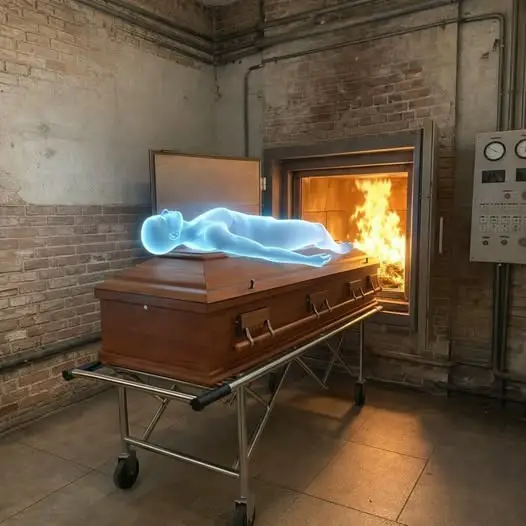
The Sin of Cremation According to the Bible is a topic that raises important questions for many people of faith. While some believe cremation goes against biblical teachings, others see it as a personal choice that does not conflict with Scripture. Understanding what the Bible actually says can help bring clarity and peace when making end-of-life decisions.
I remember having this conversation with family during a difficult time when we had to make arrangements for a loved one. Emotions were high, and opinions differed. Some felt strongly about traditional burial, while others focused on practicality. In the end, we realized that what mattered most was honoring the person’s life and faith, not just the method chosen.
What the Bible Really Says About Cremation
No Direct Command Against Cremation
The Bible does not explicitly state that cremation is a sin. There is no verse that commands believers to choose burial over cremation. This absence of a clear directive means the decision often comes down to interpretation and personal conviction.
Although cremation is not directly addressed, Scripture focuses more on spiritual matters than physical practices after death. Therefore, many theologians agree that salvation and faith are not determined by what happens to the body after death.
Burial as the Biblical Norm
Even though cremation is not forbidden, burial was the most common practice in biblical times. Figures such as Abraham, Isaac, and Jacob were buried, and this tradition continued throughout Scripture.
Notably, Jesus Christ was placed in a tomb after the crucifixion. Because of this, many believers view burial as a meaningful symbol of rest and hope in resurrection.
Why Some Christians Question Cremation
The Body as Sacred
Many Christians believe the body is sacred because it is created by God. This belief leads some to feel that burial shows greater respect for the physical body.
However, others point out that the body eventually returns to dust regardless of the method. Whether through natural decomposition or cremation, the physical form does not remain permanent.
Symbolism of Burial and Resurrection
Burial often represents rest and the expectation of resurrection. Some believers feel that cremation may not reflect this symbolism as clearly.
At the same time, others argue that God’s power to resurrect is not limited by physical conditions. Therefore, the method of handling the body does not affect eternal life.
Different Christian Perspectives
Traditional Views
Certain denominations prefer burial due to historical and symbolic reasons. They emphasize continuity with biblical traditions and the example set in Scripture.
These views often focus on honoring long-standing practices rather than declaring cremation sinful.
Modern Interpretations
Many modern Christians accept cremation as a valid option. They emphasize that faith, not physical burial, determines one’s relationship with God.
This perspective allows families to make decisions based on personal, cultural, or financial considerations without feeling they are acting against Scripture.
Making a Thoughtful Decision
Personal Beliefs and Family Values
Choosing between burial and cremation often involves personal beliefs, family traditions, and practical concerns. It’s important to have open conversations with loved ones and consider what aligns with your faith.
Focus on What Truly Matters
Ultimately, the Bible emphasizes faith, love, and spiritual life over physical practices. While traditions hold meaning, they are not the foundation of one’s relationship with God.
Frequently Asked Questions
1. Does the Bible say cremation is a sin?
No, the Bible does not explicitly say that cremation is a sin.
2. Why was burial more common in the Bible?
Burial was the cultural norm and symbolized rest and hope in resurrection.
3. Can God resurrect someone who was cremated?
Yes, most Christian teachings affirm that God’s power is not limited by physical circumstances.
4. Why do some Christians prefer burial?
They see it as a way to honor tradition and the symbolism found in Scripture.
5. Is cremation accepted in modern Christianity?
Yes, many Christians today consider it an acceptable choice.
Conclusion
The Sin of Cremation According to the Bible is often misunderstood. Scripture does not clearly forbid cremation, and beliefs about it vary among Christians. While burial holds strong historical and symbolic significance, cremation is widely accepted by many believers today. In the end, the decision should reflect personal faith, respect, and thoughtful consideration rather than fear or misunderstanding.