
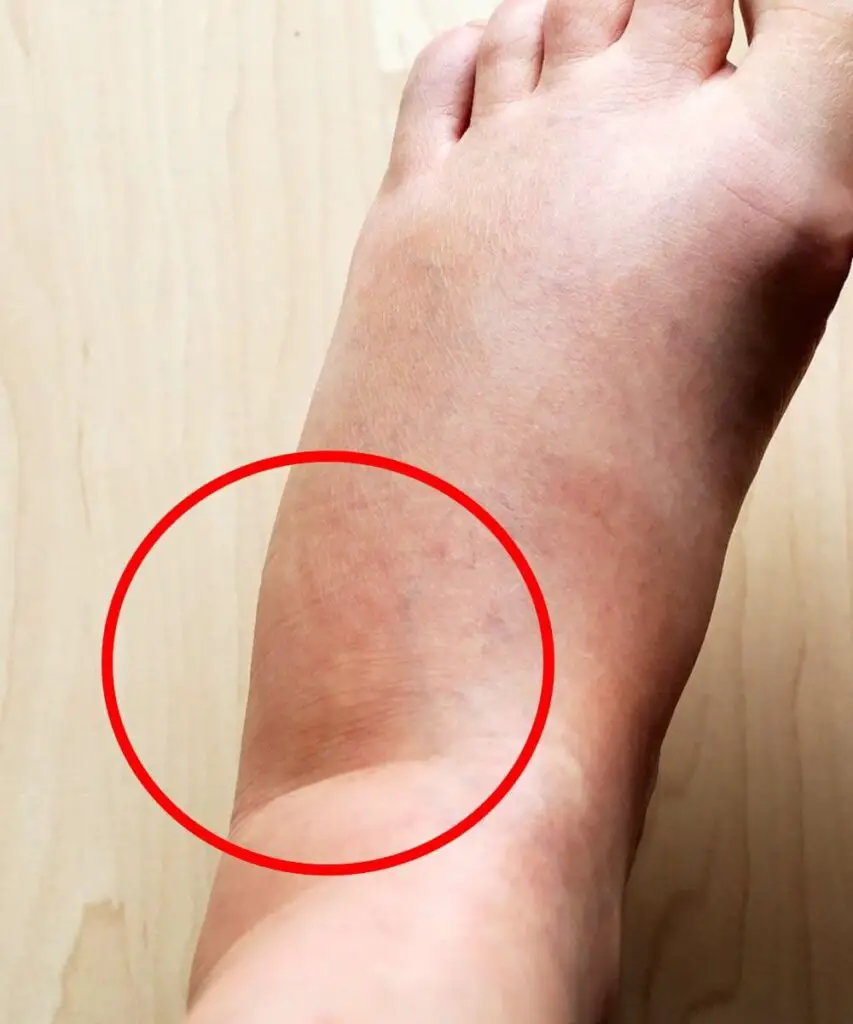
Swollen Feet: What It Means and Why It Happens is a topic that affects many people at different stages of life. Whether it appears after a long day, during hot weather, or as part of a health condition, swelling in the feet can feel uncomfortable and sometimes concerning. Understanding why it happens helps you respond calmly and take simple steps to manage it effectively.
Swelling, also known as edema, occurs when fluid builds up in the tissues. Because gravity pulls fluids downward, the feet and ankles often show the first signs. While it can be temporary, it can also signal that your body needs attention.
I remember a time during a long summer trip when my feet suddenly felt tight and uncomfortable by the evening. At first, I thought it was just fatigue, but the swelling was noticeable. After resting, elevating my legs, and drinking more water, the discomfort eased. That experience made me realize how simple habits can influence how our bodies feel. Since then, I pay closer attention to small changes and respond early before they become bigger concerns.
Common Causes of Swollen Feet
Lifestyle and Daily Habits
One of the most frequent reasons for swollen feet is everyday routine. Sitting or standing for long periods slows down circulation. As a result, fluid collects in the lower parts of the body.
Hot weather also plays a role. When temperatures rise, blood vessels expand, which allows fluid to move into surrounding tissues more easily. Additionally, eating too much salty food can cause the body to retain water, leading to puffiness.
Because of these factors, even healthy individuals may experience temporary swelling. Fortunately, simple adjustments can make a noticeable difference.
Physical and Hormonal Changes
Certain life stages can also contribute to swelling. Pregnancy, for example, increases blood volume and changes hormone levels. This often leads to mild swelling in the feet and ankles.
Similarly, hormonal fluctuations can affect how the body retains fluids. Although this type of swelling is usually temporary, it still requires attention and proper care.
Understanding these natural changes helps reduce worry and encourages better self-care habits.
When Swelling May Signal a Health Issue
Circulation and Heart-Related Concerns
While occasional swelling is common, persistent or severe swelling may indicate circulation problems. When blood flow is not efficient, fluid can accumulate in the feet and legs.
In some cases, this may relate to heart function. The heart plays a key role in moving blood throughout the body. If it struggles, fluid may begin to build up in lower areas.
Therefore, it’s important to monitor swelling that does not go away or becomes worse over time.
Kidney and Other Medical Conditions
The kidneys help regulate fluid balance in the body. When they are not functioning properly, fluid retention can occur.
Other conditions may also contribute, including issues with the lymphatic system or certain medications. Because of this, ongoing swelling should never be ignored.
If swelling appears suddenly, becomes painful, or affects only one foot, seeking medical advice is essential.
Simple Ways to Reduce Swelling Naturally
Daily Habits That Help
Making small changes can greatly reduce swelling. First, try to move regularly throughout the day. Even short walks improve circulation and prevent fluid buildup.
Elevating your feet above heart level for 15–20 minutes can also help. This allows fluid to flow back toward the upper body more easily.
Drinking enough water may seem counterintuitive, but it actually helps reduce water retention. At the same time, reducing salt intake can prevent further swelling.
Comfort and Support Tips
Wearing comfortable shoes with proper support can make a big difference. Tight footwear can restrict circulation and worsen swelling.
Compression socks are another helpful option. They gently support blood flow and reduce fluid buildup.
Additionally, gentle foot exercises, like rotating your ankles or flexing your toes, can improve circulation and provide relief.
A Simple Anti-Inflammatory Drink
Ingredients That Support Balance
A refreshing drink can support your body while you manage swelling. Ingredients like cucumber, lemon, and mint are known for their hydrating and soothing properties.
Cucumber contains a high water content, while lemon adds a bright flavor and supports digestion. Mint provides a cooling effect that feels refreshing.
Together, these ingredients create a light and enjoyable drink.
How to Prepare It
Slice half a cucumber and one lemon. Add them to a pitcher of water along with a handful of fresh mint leaves.
Let the mixture sit for at least one hour in the refrigerator. This allows the flavors to blend naturally.
Drink throughout the day to stay hydrated and refreshed while supporting your body’s natural balance.
FAQ
1. Is swollen feet always serious?
No, it is often temporary, but persistent swelling should be checked.
2. Can dehydration cause swelling?
Yes, it can lead to fluid retention in some cases.
3. How long should swelling last?
Mild swelling may last a few hours, especially after long standing or sitting.
4. Does exercise help reduce swelling?
Yes, movement improves circulation and reduces fluid buildup.
5. When should I see a doctor?
If swelling is sudden, painful, or does not improve, seek medical advice.
Conclusion
Swollen Feet: What It Means and Why It Happens is a common issue that often has simple explanations. While daily habits and environmental factors play a big role, your body may also use swelling as a signal that something needs attention.
By understanding the causes and applying easy solutions, you can manage swelling effectively. Most importantly, staying aware of your body helps you respond early and maintain overall comfort and well-being.