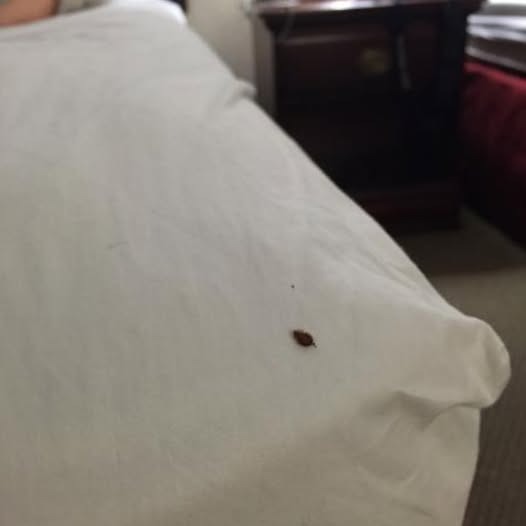
Finding a tick indoors can feel alarming. However, staying calm and acting quickly significantly reduces health risks and prevents future problems. Ticks typically do not live or reproduce inside homes because they require outdoor humidity and animal hosts to survive. In most cases, a tick found indoors is a hitchhiker brought in by a pet, clothing, or shoes—not a sign of infestation.
Here’s exactly what to do.
🩺 Step 1: Safely Remove the Tick
If the tick is attached to a person or pet, proper removal is essential.
❌ What NOT to Do
Avoid common myths and unsafe methods:
- Do not squash the tick
- Do not burn it
- Do not apply petroleum jelly, nail polish, or oils
These actions can stress the tick and increase the risk of pathogen transmission.
✅ Proper Removal Method
Use fine-tipped tweezers:
- Grasp the tick as close to the skin’s surface as possible.
- Pull upward with steady, even pressure.
- Do not twist or jerk the tick.
If the tick is on a pet, follow the same method and clean the area afterward.
After removal:
- Wash the bite site with soap and water or rubbing alcohol.
- Wash your hands thoroughly.
💡 Save the Tick
Place the tick in a sealed bag or small container with a slightly damp cotton ball. Many health departments and private laboratories offer tick identification and testing services. Keeping the tick may help determine disease risk if symptoms appear later.
🧼 Step 2: Clean and Disinfect
Even if the tick was crawling and not attached, cleaning the area is important.
- Disinfect floors, bedding, furniture, or surfaces where the tick was found.
- Wash hands thoroughly.
Wash Fabrics Correctly
If the tick was on clothing, bedding, or pet blankets:
- Wash items in hot water.
- Dry on high heat for at least 10 minutes.
Ticks cannot survive temperatures above 130°F (54°C), making high-heat drying especially effective.
🔍 Step 3: Search for More (But Don’t Panic)
A single tick usually does not mean an infestation, but a careful inspection is wise.
Check Pets Carefully
Pets are the most common carriers.
Inspect:
- Around ears
- Under collars
- Between toes
- Under the tail
- Around the belly
Run your fingers slowly over their skin to feel for small bumps.
Check Household Members
Examine:
- Hairline and scalp
- Behind ears
- Armpits
- Waistline
- Behind knees
Ticks prefer warm, hidden areas of the body.
🏡 Step 4: Prevent Future Ticks
Prevention is the best long-term strategy.
After Outdoor Activities
- Shower within two hours of coming indoors.
- Place outdoor clothing directly in the dryer on high heat for 10 minutes before washing.
- Perform full-body tick checks.
Yard Maintenance
- Keep grass trimmed short.
- Remove leaf litter and brush piles.
- Create a gravel or mulch barrier between wooded areas and your lawn.
Pet Protection
- Use veterinarian-approved tick prevention products.
- Avoid letting pets roam through tall grass or dense brush.
🩺 Monitor for Symptoms
If someone was bitten, watch for symptoms over the next several weeks.
Seek medical advice if you notice:
- Rash (especially bull’s-eye shaped)
- Fever
- Fatigue
- Headache
- Joint or muscle pain
Early detection and treatment of tick-borne illnesses greatly improve outcomes.
Final Thoughts
Discovering a tick inside your home can be unsettling, but it is usually an isolated incident. Ticks rarely establish indoor populations. With proper removal, thorough cleaning, and a careful inspection of pets and family members, you can manage the situation confidently.
Calm action, prevention, and awareness are your best tools for keeping your home safe.