
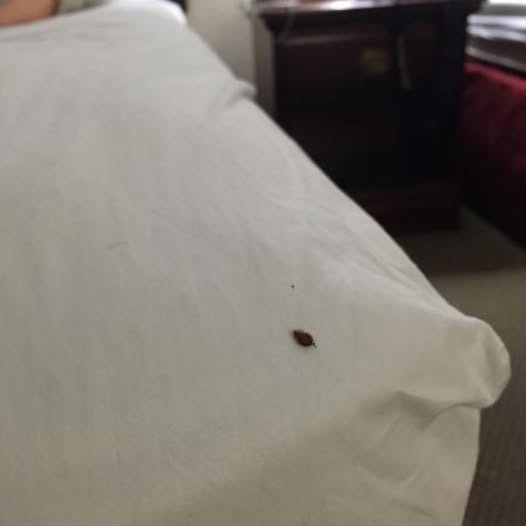
Finding a tick inside your home can feel alarming. However, staying calm and acting quickly reduces health risks and prevents future problems. Ticks do not typically live or reproduce indoors because they require high humidity and outdoor hosts to survive. Therefore, a single tick found inside is usually a hitchhiker brought in by a pet, a person, or even clothing—not a sign of infestation.
Here is exactly what to do next.
🩺 Step 1: Safely Remove the Tick
If the tick is attached to a person or pet, proper removal is critical.
❌ What NOT to Do
Avoid these common mistakes:
- Do not squash the tick with your fingers
- Do not burn it
- Do not apply petroleum jelly, nail polish, or essential oils
These methods can stress the tick and cause it to regurgitate potentially infectious material into the bite site.
✅ Proper Removal Method
Use fine-tipped tweezers:
- Grasp the tick as close to the skin’s surface as possible.
- Pull upward with steady, even pressure.
- Do not twist or jerk the tick.
If mouthparts remain embedded, remove them gently with tweezers if possible. If not, allow the skin to heal naturally.
After removal:
- Clean the bite area with soap and water or rubbing alcohol.
- Wash your hands thoroughly.
💡 Save the Tick
Place the tick in a sealed bag or small container with a slightly damp cotton ball. Many local health departments and laboratories offer tick identification and testing services. Keeping the tick can help determine disease risk if symptoms develop later.
🧼 Step 2: Clean and Disinfect
Even if the tick was not attached, thorough cleaning adds peace of mind.
Clean Surfaces
- Disinfect the area where the tick was found using household disinfectant or soap and water.
- Pay attention to floors, bedding, pet beds, and furniture.
Wash Fabrics Properly
If the tick appeared on clothing, blankets, or sheets:
- Wash items in hot water.
- Dry on high heat for at least 10 minutes.
Ticks cannot survive temperatures above 130°F (54°C), so high-heat drying effectively kills them.
🔍 Step 3: Check for More (Without Panicking)
While one tick usually means a single hitchhiker, it is wise to inspect your home carefully.
Inspect Pets
Pets are the most common source of indoor ticks.
- Check around ears
- Under collars
- Between toes
- Around the tail and belly
Use your fingers to feel for small bumps on the skin. Consider using a flea and tick preventative if you do not already.
Check Yourself and Family Members
Examine:
- Hairline and scalp
- Behind ears
- Armpits
- Waistline
- Behind knees
Ticks prefer warm, hidden areas.
Inspect Entry Points
Look near:
- Doorways
- Mudrooms
- Laundry baskets
- Pet sleeping areas
However, do not assume infestation unless you find multiple ticks repeatedly.
🏡 Step 4: Prevent Future Ticks From Entering
Prevention significantly lowers the chance of future encounters.
After Outdoor Activities
- Shower within two hours of coming indoors.
- Place outdoor clothing directly into the dryer on high heat for 10 minutes.
- Perform full-body tick checks.
Protect Your Yard
- Keep grass trimmed short.
- Remove leaf piles and debris.
- Create a gravel or mulch barrier between lawn and wooded areas.
Protect Pets
- Use veterinarian-approved tick prevention.
- Avoid letting pets roam through tall grass or brush.
🩺 Watch for Symptoms
If someone was bitten, monitor the area for several weeks.
Seek medical advice if you notice:
- A rash, especially a bull’s-eye pattern
- Fever or chills
- Fatigue
- Joint pain
- Headache
Early treatment of tick-borne illnesses significantly improves outcomes.
Final Thoughts
Finding a tick inside your home feels unsettling, but it rarely signals a major problem. Most indoor ticks arrive accidentally and cannot establish long-term indoor populations.
Act quickly, remove the tick safely, disinfect properly, and check for additional hitchhikers. Then focus on prevention strategies to reduce future exposure.
With calm, informed action, you can handle the situation confidently and keep your home protected.