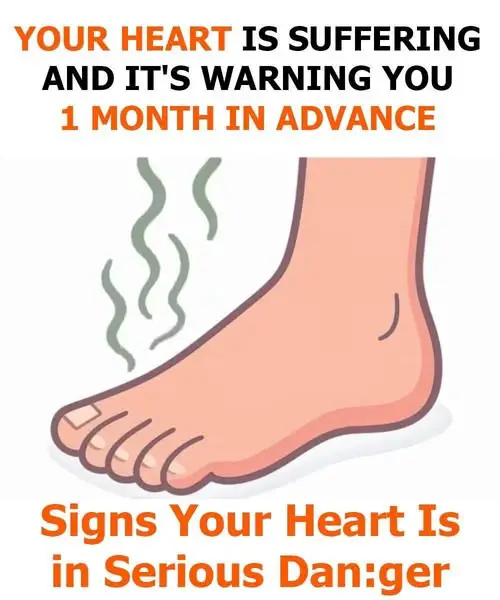
Heart health is often associated with chest pain, shortness of breath, or sudden pressure. Yet one of the earliest indicators of cardiovascular trouble can appear far from the chest—in your feet. Because your feet are at the furthest end of your circulatory system, they often reveal signs of reduced blood flow before more noticeable symptoms appear elsewhere. For people living with diabetes, these signs are especially important, as they may reflect both nerve and vascular complications that could endanger heart health.
I remember noticing my grandmother’s feet were often cold and tingling, even in warm rooms. She brushed it off as normal aging, but her doctor explained that this could indicate circulation problems and early peripheral artery disease, which sometimes mirrors heart artery blockages. Early intervention, lifestyle changes, and careful monitoring helped her avoid more severe complications.
Why Foot Health Reflects Heart Health
The Connection Between Feet and Circulation
The heart pumps oxygen-rich blood through arteries to every part of the body. When arteries narrow due to plaque buildup, circulation decreases. This effect is magnified in the small, distant vessels of the legs and feet.
Peripheral Artery Disease (PAD) is one example: narrowed arteries in the legs often signal similar blockages in coronary arteries. In other words, poor blood flow in your feet may indicate broader cardiovascular risk.
Importance for People with Diabetes
Diabetes complicates this picture. High blood sugar can damage nerves (diabetic neuropathy) and blood vessels, reducing sensation and circulation. This combination can mask early warning signs and make feet more vulnerable to infections or ulcers, which may go unnoticed until serious problems develop.
Common Foot Symptoms That Signal Heart Trouble
Cold Feet Even in Warm Rooms
Consistently cold feet can indicate restricted blood flow. Pay attention if your feet are significantly colder than the rest of your body, especially if this persists over time.
- May indicate PAD or poor peripheral circulation
- Often worsens with other cardiovascular risk factors like smoking or high cholesterol
Numbness or Tingling
Numbness, tingling, or pins-and-needles sensations in the feet can signal nerve damage. For people with diabetes, this may indicate a combination of neuropathy and circulation issues.
- Reduced sensation can mask injuries
- Sudden increases in numbness or pain during activity should prompt medical evaluation
Slow-Healing Wounds or Sores
Cuts, blisters, or ulcers that take weeks to heal are major warning signs. Healthy blood flow is essential for tissue repair; poor circulation delays healing and increases infection risk.
- Persistent sores may indicate PAD or diabetes-related vascular problems
- Unchecked infections can lead to severe complications
Discoloration and Swelling
Changes in color—pale, bluish, or reddish skin—can indicate circulation issues. Swelling may also signal fluid retention related to heart or kidney problems.
- Blue or purple toes suggest oxygen deprivation
- Red or inflamed areas may indicate infection or localized vascular stress
Cramping or Pain During Walking
Cramping, aching, or fatigue in the legs or feet when walking is another hallmark of poor circulation, often referred to as claudication.
- Typically improves with rest
- Signals that muscles aren’t receiving enough oxygenated blood during activity
Preventive Measures and Lifestyle Adjustments
Regular Foot Inspections
- Examine feet daily for cuts, sores, color changes, or swelling
- Use a mirror or ask for help if you cannot see the bottoms of your feet
- Keep feet clean and dry to prevent infection
Manage Diabetes Effectively
- Monitor blood sugar levels consistently
- Maintain a balanced diet and exercise routine
- Take medications as prescribed to reduce vascular and nerve damage risk
Promote Circulation
- Avoid prolonged sitting or standing
- Elevate feet when resting
- Wear supportive, well-fitting shoes and socks
- Incorporate gentle exercise like walking, swimming, or cycling
Monitor Heart Health
- Regularly check blood pressure, cholesterol, and heart function
- Seek early evaluation for PAD or other cardiovascular conditions
- Consult a cardiologist if foot symptoms persist despite lifestyle adjustments
When to Seek Medical Attention
Foot symptoms should never be ignored, especially in the context of diabetes or cardiovascular risk factors. See a healthcare provider if you notice:
- Persistent cold, numb, or tingling feet
- Slow-healing wounds or sores
- Color changes or swelling
- Pain or cramping during walking
- Signs of infection (redness, warmth, pus)
Early diagnosis can prevent severe complications such as heart attack, stroke, or gangrene.
FAQ
1. Can foot symptoms really indicate heart disease?
Yes. Poor circulation in the feet, especially in PAD, may reflect blockages in arteries supplying the heart.
2. How does diabetes affect foot and heart health?
Diabetes can damage nerves and blood vessels, masking symptoms and increasing cardiovascular risk.
3. Are cold feet always a sign of heart trouble?
Not always. They can also result from environmental factors or peripheral nerve issues, but persistent coldness should be checked.
4. Can exercise help prevent circulation problems in feet?
Yes, regular low-impact exercise improves blood flow, reduces cardiovascular risk, and promotes healing.
5. What shoes are best for people with circulation concerns?
Supportive, well-fitting shoes that avoid tight pressure points and allow proper blood flow are ideal.
Conclusion
Your feet may quietly signal the state of your heart health, particularly for people with diabetes. Cold feet, numbness, slow-healing wounds, discoloration, and cramping can all indicate circulation problems that deserve prompt attention. By monitoring your feet, managing diabetes, maintaining heart-healthy habits, and seeking medical care when needed, you can detect issues early, improve circulation, and protect both your feet and your cardiovascular system.