Red dots, spots, or bumps showing up on your skin can feel alarming — but most of the time they’re harmless, temporary, and easy to deal with. That said, skin is often a mirror of what’s going on inside the body. Paying attention to how those dots look, when they appear, and whether they change over time can help you know when it’s safe to wait things out — or important to see a doctor.
Below is a detailed guide exploring many of the common (and less‑common) causes of red dots on the skin, how to tell them apart, when to worry, what you can do at home, and when to seek professional care.
🔎 Understanding “Red Dots”: Why You Get Them
Your skin is a complex organ made up of layers — each with blood vessels, nerves, hair follicles, sweat glands, and immune cells. Red spots can occur because of something happening on the skin surface (like irritation or clogged pores), under the skin (blood vessels or inflammation), or systemically (an illness, allergy, or circulation issue).
Because of these many possible causes, “red dots” can look very different: tiny pinpoint spots, raised bumps, itchy rashes, or benign growths. The good news: many are harmless or easily treatable. But a few require prompt medical attention. Medical News Today+2Verywell Health+2
✅ Common & Usually Harmless Causes
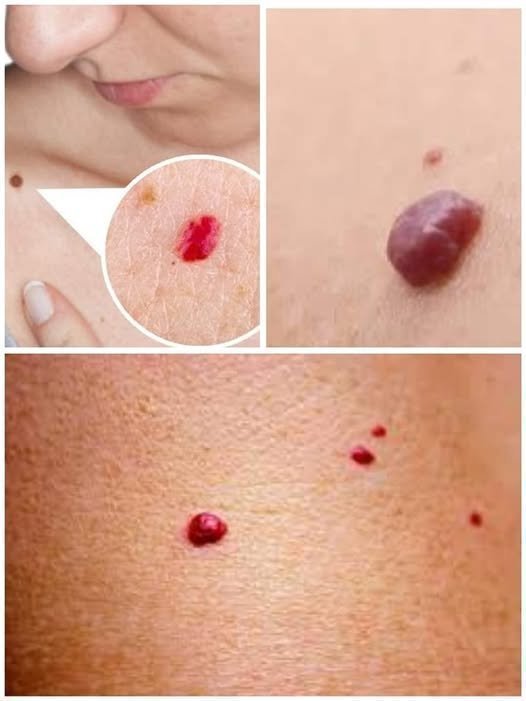
Cherry Angioma – Red Vascular “Spots”
- What it is: A benign cluster of tiny blood vessels near the skin surface. DermNet®+1
- What it looks like: Small bright-red or purplish bumps, ranging from about 1 mm to 5–6 mm in diameter. Wikipédia+1
- Common in: Adults — especially over age 30, and people tend to get more over time. By age 75, many people have several. DermNet®+1
- Is it dangerous? Usually not. Cherry angiomas are benign and most often don’t require treatment. Cleveland Clinic+1
- When to visit a doctor: If they bleed often, grow quickly, or change color/shape — to rule out other lesions. Ayana Dermatology & Aesthetics+1
Spider Angioma (Spider Naevus / Spider Telangiectasia) — Tiny “Spider‑Web” Red Marks
- What it is: Dilated small blood vessels (capillaries) under the skin that spread out from a central point, creating a “spider‑web” appearance. Wikipédia+1
- What it looks like: A central red/burgundy dot with fine red lines radiating outward. Often disappears with pressure and reappears when released. Wikipédia+1
- Common triggers: Hormonal changes (like pregnancy), sun exposure, or sometimes increased estrogen levels. Wikipédia+1
- Is it dangerous? Usually benign. Many people have one or two and never notice. Wikipédia+1
- When to worry: If you suddenly notice many spider angiomas (especially more than 3–5), which can be associated with liver disease or other systemic conditions. Wikipédia+1
Keratosis Pilaris (“Chicken Skin”) — Rough Bumps / Tiny Red Dots
- What it is: Buildup of keratin (a protein in skin and hair) which blocks hair follicles, causing small bumps. Cleveland Clinic+1
- What it looks like: Tiny, rough, often red or skin‑colored bumps — typically on upper arms, thighs, buttocks, or cheeks. Feels like sandpaper. Cleveland Clinic+1
- Is it dangerous? No — harmless and quite common. Many dermatologists consider it more a skin type than a disease. Cleveland Clinic+1
- When to treat: If dry skin or rough texture bothers you. Regular gentle exfoliation, moisturizers, and keratolytic creams (with urea or lactic acid) can help. Cleveland Clinic+1
Rashes, Allergic Reactions, Contact Dermatitis & Heat Rash
These are very common and often temporary. Healthline+2Medical News Today+2
Contact Dermatitis / Allergic Reactions
- What causes it: Exposure to allergens or irritants — soaps, detergents, plants, cosmetics, even foods or medications. Cleveland Clinic+1
- What it looks like: Red, itchy, blistering or scaly patches; sometimes small red dots that spread into a rash. Healthline+1
- Treatment: Avoid the trigger. Use gentle cleansers, moisturizers, or over-the-counter antihistamines and topical creams (like hydrocortisone).
Heat Rash (Prickly Heat / Miliaria)
- What causes it: Blocked sweat ducts during hot, humid weather or from tight clothing. Medical News Today+1
- What it looks like: Tiny red bumps or blisters, often where skin folds, under arms, neck, groin, or back. Feels prickly or itchy. Healthline+1
- What to do: Keep skin cool, wear loose breathable clothes, stay hydrated, avoid heavy creams/lotions that block pores.
⚠️ When Red Spots Could Be a Sign of Something More Serious
Petechiae — Tiny “Bleeding” Dots Under Skin
- What it is: Minute pinpoint red, purple, or brown dots that come from tiny capillaries bursting under the skin. Blood leaks out and settles under the skin surface. Cleveland Clinic+1
- What it looks like: Often 1–2 mm or smaller, round, flat — don’t blanch (fade) when pressed down. Sometimes cluster together to form larger patches (purpura). PharmEasy+1
- Common triggers: Straining (heavy lifting, coughing), trauma, certain medications (especially blood thinners), low platelet count, infections. Cleveland Clinic+1
- Why it matters: Petechiae can sometimes signal serious conditions — blood disorders, clotting problems, severe infections, or even leukemia. Health+1
- What to do: If you notice a sudden spread of petechiae, or if they appear with other symptoms (fever, fatigue, bruising, bleeding), get medical attention right away. Cleveland Clinic+1
Skin Infections & Inflamed Hair Follicles (e.g. Folliculitis)
- What it is: When hair follicles get infected by bacteria or fungus — can be due to shaving, friction from clothes, or sweating. Cleveland Clinic+1
- What it looks like: Small red or pus‑filled bumps, sometimes itchy or tender, often grouped around hair-bearing areas. Cleveland Clinic+1
- Treatment: Hygiene is key — keep area clean, avoid tight clothing, use antibacterial washes or topical ointments if needed. Severe or persistent cases may require antibiotics.
More Widespread or Serious Rashes / Skin Conditions
Some conditions that cause red spots or rashes may need professional care:
- Chronic skin conditions — like eczema, atopic dermatitis, psoriasis. Cleveland Clinic+1
- Fungal infections — certain fungi cause rashes or spots. Healthline+1
- Viral or bacterial infections — some viral illnesses, staph or strep skin infections, or inflammatory conditions (e.g. vasculitis) can show up as red spots or patches. Miiskin+1
- Possible pre‑cancerous or cancerous lesions — while uncommon, some skin cancers or pre‑cancer conditions can begin as red or irregular spots. Verywell Health+1
🧩 How to Tell What Kind of Red Spot You Have
Because there are so many possible causes, there’s no single way to know what a red spot means — but these questions help narrow it down:
| Question to Ask | Why It Matters |
|---|---|
| Is the spot pinpoint/tiny or larger/raised? | Tiny, flat spots may be petechiae or broken capillaries; raised spots may be angiomas, pimples, or bumps. |
| Do the spots itch, hurt, or feel rough? | Itchy/red bumps may be rashes, dermatitis, folliculitis; painless bumps are more likely benign growths. |
| Do they change color, size, or bleed? | Change may signal something more serious — get checked by a doctor. |
| Do they appear after an injury, strain, or medication? | Sudden clusters may be petechiae or drug reactions. |
| Are they clustered or spread across body? | Widespread — could be allergic, systemic. Localized — more likely a benign skin condition. |
🛠️ What You Can Do at Home (When It’s Probably Harmless)
Before rushing to medical advice, you can try some practical steps if the spots are mild, not spreading, not painful, and not causing other issues:
- Keep the area clean and dry.
- Use gentle, fragrance-free moisturizers or creams to soothe irritation.
- Wear loose, breathable clothing, especially in heat or after workouts.
- Avoid scratching or picking — it can worsen irritation or cause infection.
- Avoid known irritants (harsh soaps, detergents, tight fabrics).
- Stay hydrated and eat a balanced diet — skin health often reflects overall health.
- Monitor — take note of any changes (number, size, spread, feel).
If the spots don’t improve in a week or two, or if new symptoms appear, it’s time to see a doctor or dermatologist.
🚨 When to See a Doctor — Red Flags
Seek medical attention promptly if you experience:
- Sudden appearance or rapid spread of hundreds of new red spots (especially small/pinpoint) Cleveland Clinic+1
- Spots that don’t fade under pressure (i.e. blood under skin) PharmEasy+1
- Associated symptoms: fever, fatigue, unexplained bruising, bleeding, joint pain, or swollen lymph nodes Health+1
- Spots that bleed often, change color/shape, grow quickly, or are painful Ayana Dermatology & Aesthetics+1
- Rashes or bumps that won’t go away with home care, or recur frequently (could signal chronic skin disease) Cleveland Clinic+1
Also consider a check‑up if you have multiple vascular lesions (like many spider angiomas) — especially if you have risk factors such as heavy alcohol use, liver disease history, or hormonal changes. Wikipédia+1
🌍 Why Red Dots Can Look Different on Different People
- On lighter skin, redness and small blood vessels tend to show clearly. On darker skin, these spots might look more purplish, dark brown, or even subtle — which can make them harder to notice. Verywell Health+1
- Skin type, hair follicle density, and genetics also play a role — some conditions (like keratosis pilaris) run in families. Cleveland Clinic+1
- Age — many vascular spots (like cherry angiomas, spider angiomas) become more common with age. DermNet®+1
- Lifestyle & environment — heat rash in hot climates, irritant rashes from exposure, fungal infections in humid conditions, etc. Healthline+1
📋 Summary: Common Types of Red Dots & What They Usually Mean
| Type | What to Know / When It’s Safe | When to Worry |
|---|---|---|
| Cherry Angioma | Tiny red bumps, benign, very common with age. No treatment needed unless cosmetic or bleeds. DermNet®+1 | Rapid growth, frequent bleeding, color/shape changes. Ayana Dermatology & Aesthetics+1 |
| Spider Angioma | Spider‑web red marks, usually harmless. May occur due to hormonal changes or locally. Wikipédia+1 | Many appearing suddenly — might signal liver or vascular issues. Wikipédia+1 |
| Keratosis Pilaris | Rough, sandpaper‑like bumps (arms/thighs), cosmetic issue only. Moisturizing helps. Cleveland Clinic+1 | Doesn’t usually require medical care — but persistent irritation, itching or severe dryness may need dermatologist advice. |
| Rashes / Dermatitis / Allergies | Red, itchy or patchy spots often triggered by contact. Avoid irritants; use mild skincare. Cleveland Clinic+1 | If rash worsens, spreads, or comes with other symptoms (fever, swelling) seek care. |
| Heat Rash / Sweat‑Duct Block | Tiny red bumps in sweat-prone areas; usually go away with cooling and loose clothes. Medical News Today+1 | If rash becomes infected (painful, pus, swelling) or persists beyond a few days. |
| Folliculitis / Infected Follicles | Red bumps around hair follicles; treat with hygiene and topical care. Cleveland Clinic+1 | If infection spreads, becomes painful, or shows signs of pus/inflammation — see a doctor. |
| Petechiae / Purpura | Tiny non‑blanching red/purple dots from capillary bleeding under skin. Could point to clotting disorders or infections. Cleveland Clinic+1 | Sudden onset, widespread spread, or accompanied by fatigue, fever — seek immediate medical care. |
| Insect Bites / Bug‑Bite Reactions | Raised itchy red spots, usually resolve in days. Clean, avoid scratching. | If infection, swelling, fever, allergic reaction develops. |
| Serious Skin Diseases / Infections / Cancer (rare) | Sometimes begin as red bumps or lesions — less common but important to rule out with dermatologist. Healthline+1 | Persistent, changing, bleeding, or evolving lesions; sores that don’t heal — get checked. |
💡 Preventive & Skin‑Health Tips
- Use sunscreen daily and avoid excessive sun exposure — ultraviolet rays can worsen skin lesions or trigger vascular changes.
- Wear loose, breathable clothing — tight or rough fabrics can irritate skin, especially if prone to folliculitis or KP.
- Maintain good hygiene — gentle cleansers, fragrance‑free moisturizers, avoid overly harsh soaps.
- Keep skin moisturized, especially in dry or cold weather, to prevent dryness that can trigger keratosis pilaris or eczema.
- When exposed to heat or humidity, stay cool, dry, and hydrated to reduce risk of heat rash.
- Monitor new skin spots — take photos, note date they appeared, and watch for changes in size, color, shape, or symptoms.
🧑⚕️ When to Consult a Professional
You should strongly consider seeking medical advice if you notice:
- Rapid onset of many new red or purple spots, especially if they don’t fade after pressure — could indicate petechiae or clotting issues. Cleveland Clinic+1
- Spots that bleed often, grow quickly, change in shape or color, or begin to hurt or itch persistently — could be skin cancers, vascular lesions, or other skin diseases. Healthline+1
- Rashes or bumps accompanied by fever, fatigue, joint pain, swelling, or other symptoms — potential sign of systemic illness. Medical News Today+1
- Persistent skin conditions (e.g. chronic dermatitis, folliculitis, fungal infection) not responding to home care. Cleveland Clinic+1
A dermatologist can often diagnose the cause visually; for uncertain or suspicious lesions, a biopsy, blood tests, or other investigations may be needed.
✨ Final Thoughts: Don’t Panic — But Stay Observant
Seeing red dots on your skin can be unnerving, especially if you’re not sure what caused them. The good news? Most are benign or easily treatable — simple things like blocked sweat glands, clogged hair follicles, small blood vessel growths, or skin reactions.
Take a moment to observe: when did they appear, what do they look like, do they hurt/itch, and are there other symptoms? Use gentle skincare, good hygiene, and sun protection.
But if something feels “off” — the spots spread fast, change, bleed, or come with strange symptoms — don’t wait. Your skin often gives early clues about issues under the surface. When in doubt, a dermatologist’s evaluation is worth it.
After all — a little attention now can save a lot of worry later.
Note: This article is for informational purposes only and does not constitute medical advice. If you’re concerned about skin changes or symptoms, please consult a qualified healthcare provider.