Introduction
This Amish porcupine meatballs recipe is the kind of old-fashioned comfort food that turns a simple weeknight into something warm and familiar. With just a few pantry staples and a single baking dish, it delivers tender meatballs baked right in a rich tomato sauce that thickens into a cozy, savory gravy. The rice inside the meatballs expands as they cook, giving them their signature “porcupine” look and a texture that feels hearty without being heavy.
What makes this dish so timeless is its simplicity. It relies on basic ingredients most kitchens already have, yet the result tastes like something that simmered for hours. It is the kind of recipe that families pass along because it consistently shows up when it matters most—busy nights, potlucks, or gatherings where everyone is hungry and expecting seconds.
The combination of ground beef, rice, and tomato soup creates a naturally rich base that needs very little help. As everything bakes together, the flavors blend into a deep, savory sauce that coats each meatball. The oven does all the work, leaving you with a filling, satisfying meal that feels homemade in the best possible way.
This dish has a long history in Midwest and Amish-inspired cooking, where stretching simple ingredients into a full meal was a way of life. Even today, it remains a go-to for anyone who wants something dependable, comforting, and easy to share at the table.
A Classic One-Dish Family Dinner
Why Amish porcupine meatballs still work today
This recipe remains popular because it is built on practicality. It uses ingredients that are affordable, easy to find, and shelf-stable. Ground beef and rice form the base of the meatballs, while condensed tomato soup provides instant flavor and moisture without extra steps.
As the meatballs bake, the rice expands inside the beef mixture, creating a soft, tender texture. This is what gives the dish its signature appearance and makes it feel different from standard meatballs. The sauce also becomes richer as it cooks, absorbing flavor from both the beef and the rice.
Another reason this dish stands the test of time is how little effort it requires. There is no stovetop browning or complex sauce-making involved. Everything goes directly into a baking dish, which makes cleanup just as easy as preparation.
A comforting recipe built for busy kitchens
This meal fits perfectly into modern life because it is hands-off once it enters the oven. You can mix, shape, and pour everything in under 20 minutes, then let it bake while you handle everything else.
It is also highly adaptable. Whether you are cooking for a family dinner or preparing food for guests, it scales easily without changing the method. The simplicity of the process ensures consistent results every time.
Because it is baked in a single dish, it also creates a natural serving style. The meatballs stay nestled in the tomato sauce, making it easy to scoop and serve directly from the pan.
How to Make Amish Porcupine Meatballs
Mixing and shaping the meatballs
The process begins by combining ground beef with uncooked long-grain rice. The key is to mix just enough to distribute the rice evenly without overworking the meat, which keeps the meatballs tender.
Once mixed, the beef is shaped into small, even meatballs. Keeping them similar in size helps them cook evenly and ensures the rice inside softens at the same rate. They are placed in a single layer in a greased baking dish, ready for the sauce.
At this stage, everything already starts to feel like a complete meal in progress. The simplicity of the preparation keeps things stress-free, even for beginner cooks.
Baking everything in tomato sauce
The sauce comes together by mixing condensed tomato soup with water until smooth. This creates a pourable base that surrounds the meatballs as they bake.
Once poured over the meatballs, the sauce should mostly cover them. This ensures they stay moist while the rice cooks through. Covering the dish with foil traps steam, which helps soften both the meat and rice.
After the first stage of baking, the foil is removed so the sauce can thicken. The edges begin to bubble, and the flavors concentrate into a rich tomato gravy that clings to each meatball. A short resting period at the end allows everything to settle before serving.
Serving Ideas for a Complete Meal
Classic sides that complete the dish
This recipe pairs naturally with simple starches that soak up the sauce. Mashed potatoes are a traditional favorite because they add creaminess and balance the tang of the tomato gravy.
Egg noodles are another strong option, offering a soft base that blends well with the texture of the meatballs. White rice also works well, especially since it mirrors the rice already inside the meatballs.
Each option turns the dish into a hearty, complete meal that feels familiar and satisfying.
Fresh sides for balance and texture
Because the meatballs are rich and savory, lighter sides help balance the plate. Steamed green beans, roasted broccoli, or a simple garden salad add freshness and color.
A crisp vegetable side also helps cut through the richness of the tomato sauce, making the meal feel more balanced overall. Even something as simple as sliced cucumbers or carrots can brighten the plate.
For gatherings, adding bread or rolls turns the dish into a shared comfort meal. The bread is perfect for soaking up every bit of sauce left in the pan.
Tips, Variations, and Make-Ahead Options
Easy flavor upgrades and ingredient swaps
This recipe is flexible enough to adjust based on preference. For a deeper flavor, beef broth can replace part of the water in the sauce. A small amount of brown sugar or honey can also be added to balance the acidity of the tomato soup.
Seasonings like garlic powder, onion powder, or Italian herbs can be mixed directly into the meat for extra depth. These additions keep the spirit of the recipe intact while giving it a slightly different flavor profile.
For those who prefer leaner meals, ground turkey or a beef-turkey blend can be used without changing the method.
Storage, leftovers, and meal prep
This dish stores and reheats very well, making it ideal for meal prep. Leftovers can be refrigerated and reheated with a small splash of water or broth to loosen the sauce.
The flavors often deepen after a day, making the leftovers just as enjoyable as the original meal. It also works well repurposed into sandwiches, where the meatballs can be lightly crushed and tucked into rolls.
If preparing ahead, the meatballs can be assembled and refrigerated before baking. When ready to cook, simply add a few extra minutes to the baking time.
FAQ
Why is it called porcupine meatballs?
The rice inside expands as it cooks, sticking out slightly and giving the appearance of small quills.
Can I use instant rice instead of regular rice?
It is not recommended because instant rice may become too soft during baking.
Can I make this dish ahead of time?
Yes, you can assemble it and refrigerate it for up to 24 hours before baking.
What can I use instead of tomato soup?
Crushed tomatoes with seasoning can be used, but the texture and flavor will change slightly.
How do I know the meatballs are done?
They should reach an internal temperature of 160°F (71°C) and have tender rice inside.
Ingredients
Equipment
Method
- Preheat oven to 350°F (175°C) and grease baking dish.
- Mix ground beef and rice, then form meatballs.
- Place meatballs in baking dish.
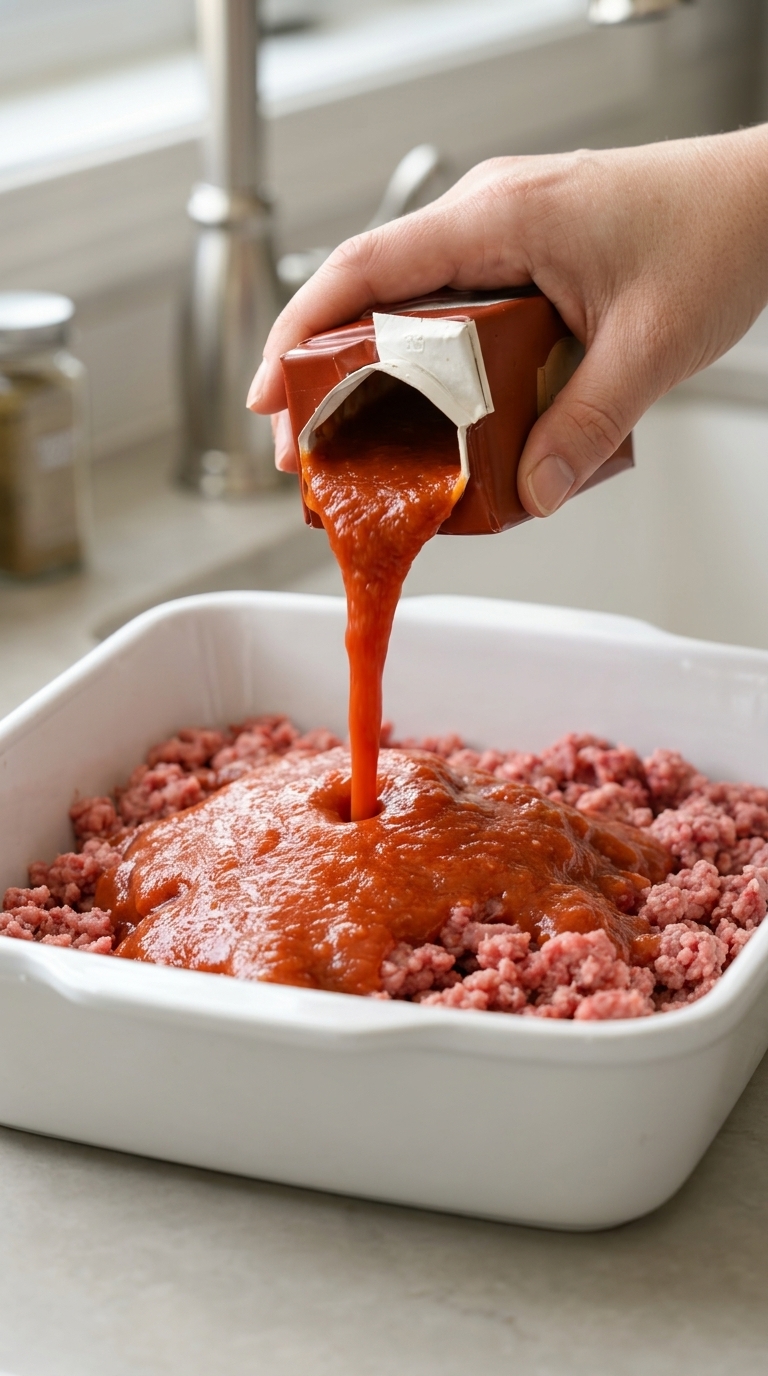
- Mix tomato soup and water, then pour over meatballs.
- Cover and bake 45 minutes, then uncover and bake 20–25 minutes.
- Rest 5–10 minutes before serving.
Notes
Conclusion
This Amish porcupine meatballs recipe is a reminder that comfort food does not need to be complicated. With just a few basic ingredients and one baking dish, it creates a hearty, flavorful meal that feels timeless. The combination of tender beef, soft rice, and rich tomato sauce delivers everything you want in a family dinner—simplicity, warmth, and satisfaction. It is the kind of dish that keeps showing up at tables because it works every single time.