
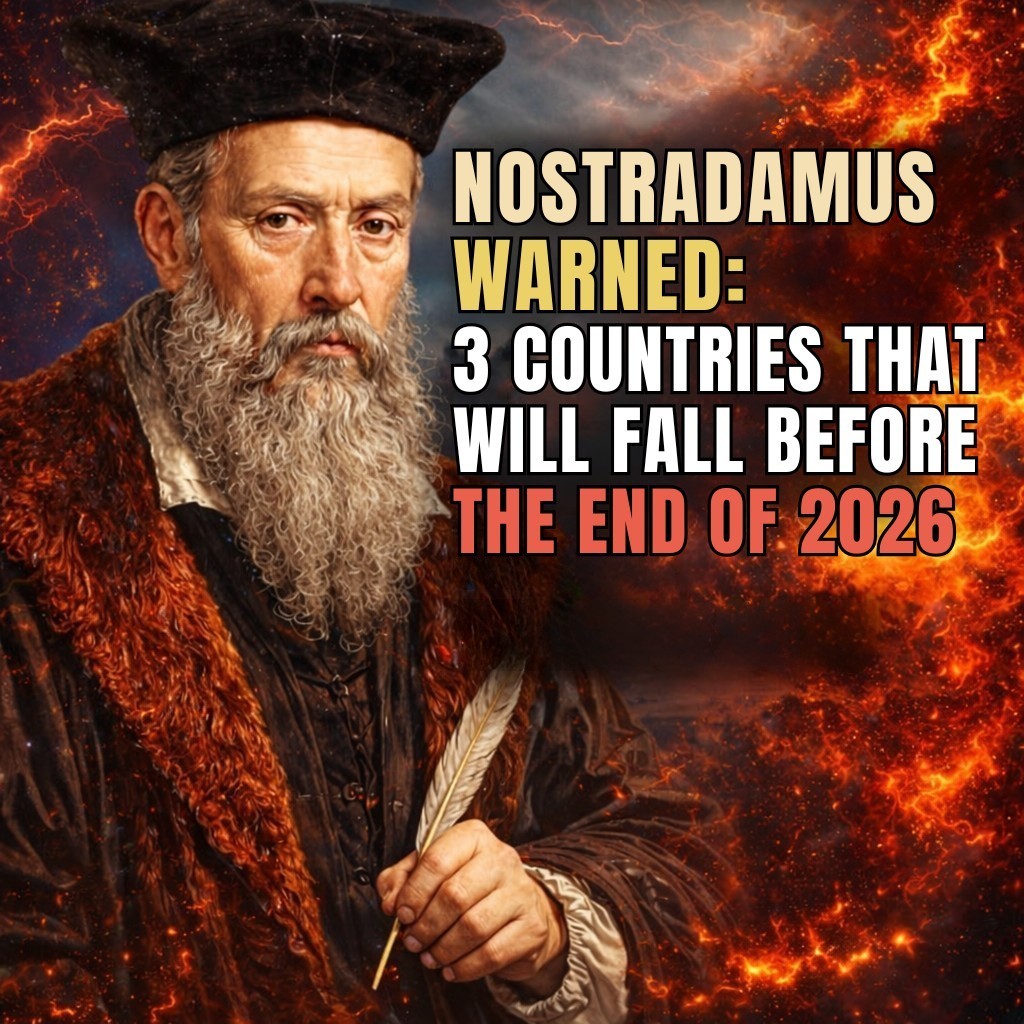
For centuries, Nostradamus and his predictions have fascinated readers, historians, and curious minds alike. His cryptic writings continue to spark debate, especially when people try to connect them to modern events. While many claims stretch beyond evidence, the enduring mystery of his words keeps them relevant even today.
I first encountered the writings of Nostradamus during a late-night conversation with a friend who loved history and mysteries. We flipped through translated quatrains, trying to decode their meanings. At first, it felt like solving a puzzle, but soon I realized how easily interpretations could shift depending on perspective. That moment made me appreciate not just the intrigue of his words, but also how much our own fears and hopes shape what we see in them.
The Life and Legacy Behind Nostradamus and His Predictions
A Physician Turned Mystic
Nostradamus, born Michel de Nostredame in 1503, lived during a time of uncertainty and upheaval. He trained as a physician and gained recognition for treating plague victims with innovative methods. However, alongside his medical work, he studied astrology and ancient texts.
As a result, he developed a unique blend of science and mysticism. This combination shaped the way he viewed the world and influenced the writings that would later define his legacy.
The Creation of the Prophecies
In 1555, he published his famous collection known as Les Prophéties. These writings consisted of quatrains—four-line verses filled with symbolism, metaphor, and coded language.
Because of the risks associated with making bold predictions at the time, he deliberately wrote in obscure terms. Consequently, his verses became open to interpretation, allowing readers across generations to find meaning in them.
Why Nostradamus and His Predictions Still Fascinate Today
The Power of Ambiguity
One of the main reasons Nostradamus and his predictions remain popular lies in their ambiguity. His words do not clearly describe events. Instead, they use imagery that can apply to many situations.
Therefore, people often interpret his writings based on current events. This flexibility allows his work to remain relevant, even centuries later.
A Mirror of Modern Anxiety
In times of uncertainty, people naturally search for patterns and meaning. Nostradamus’s quatrains often seem to reflect modern fears, whether related to conflict, climate, or societal change.
Because of this, his predictions feel timely, even if they were never meant to describe specific future events. They act more like a mirror than a forecast.
Three Modern Interpretations Linked to the Near Future
Global Conflict and Political Tension
Many modern readers interpret certain quatrains as warnings about global conflict. References to wars, alliances, and powerful leaders often lead to speculation about current geopolitical tensions.
However, similar conflicts existed during Nostradamus’s time. As a result, these interpretations often reflect ongoing human struggles rather than precise predictions.
Environmental and Climate Concerns
Another common interpretation connects his writings to environmental disasters. Mentions of fire, floods, and celestial events are often linked to climate change and natural catastrophes.
Although these connections seem compelling, they rely heavily on modern context. Still, they resonate because environmental concerns dominate today’s global conversation.
Separating Myth from Reality
What Scholars Actually Say
Historians and scholars generally agree that Nostradamus did not predict specific future events. His writings lack the clarity and precision needed for accurate forecasting.
Instead, they reflect the beliefs, fears, and knowledge of the 16th century. Understanding this helps place his work in a more realistic context.
The Role of Interpretation
Interpretation plays a major role in how people view Nostradamus and his predictions. Readers often connect vague phrases to real events after they occur.
This process, known as retrospective interpretation, explains why his predictions seem accurate to some. In reality, the meaning often emerges only after the fact.
A Simple Herbal Tea Inspired by Renaissance Traditions
Ingredients for a Calming Blend
Inspired by the era of Nostradamus, this simple herbal tea reflects the natural remedies commonly used during his lifetime:
- 1 cup hot water
- 1 teaspoon dried chamomile flowers
- 1 teaspoon dried mint leaves
- 1 teaspoon honey (optional)
- A slice of lemon
How to Prepare the Tea
Start by boiling fresh water and pouring it into a cup. Add the chamomile and mint, then let the mixture steep for about five minutes.
Next, strain the herbs and add honey if desired. Finally, drop in a slice of lemon for a refreshing touch. This calming tea offers a gentle way to relax while reflecting on history and tradition.
Frequently Asked Questions
Did Nostradamus really predict future events?
No, there is no scientific evidence that he accurately predicted specific events.
Why are his predictions so vague?
He intentionally used symbolic language to avoid persecution and allow multiple interpretations.
Are his writings still relevant today?
Yes, but mainly as cultural and historical artifacts rather than factual predictions.
Why do people still believe in his predictions?
Because his words can be interpreted in many ways, they often seem to match modern events.
Should his predictions be taken seriously?
They should be viewed with curiosity and critical thinking, not as reliable forecasts.
Conclusion
Nostradamus and his predictions continue to capture attention because they blend mystery, history, and imagination. While his writings do not provide clear insights into the future, they reveal how people across time seek meaning in uncertainty. By understanding the context behind his work, you can appreciate it for what it truly is—a fascinating piece of history that reflects both the past and the present.